

What's Happening?
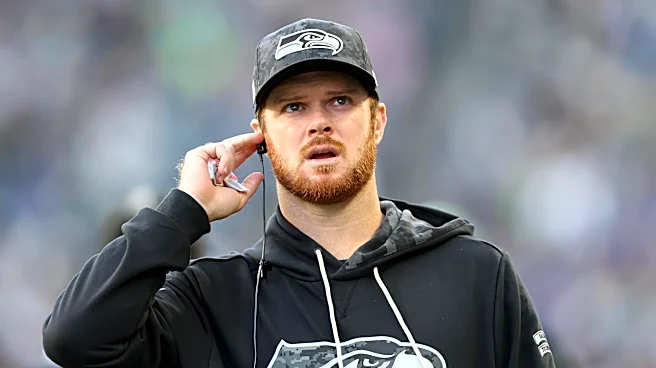
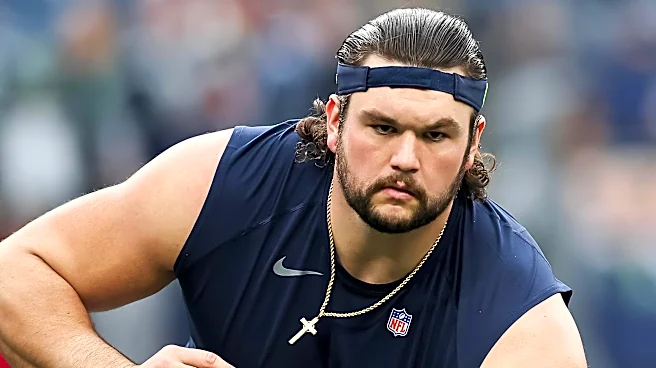
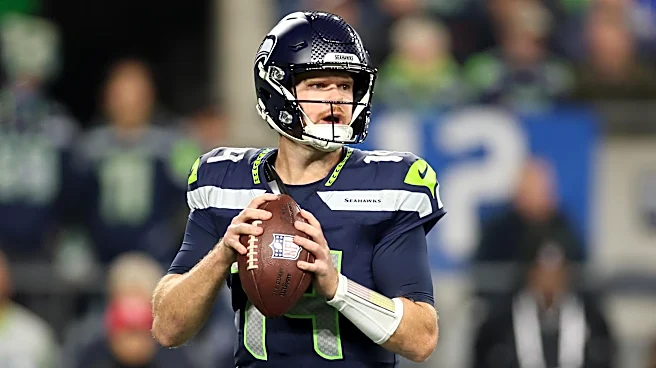
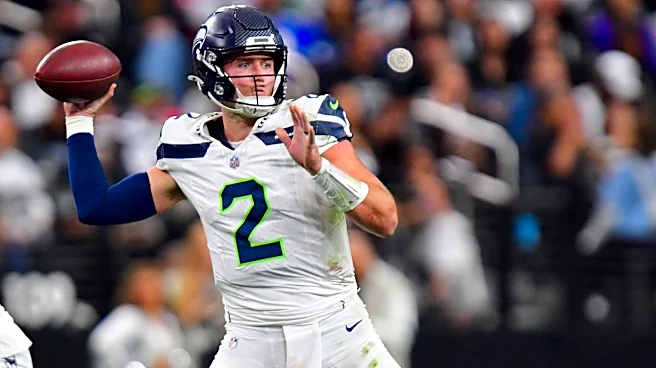
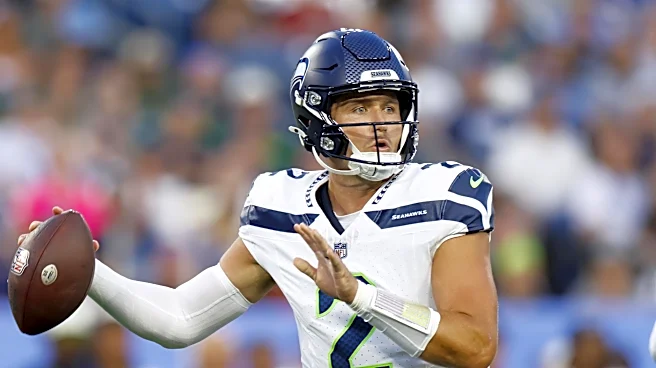
During their Week 12 bye, the Seattle Seahawks restructured the contracts of three veteran players: Julian Love, Sam Darnold, and Ernest Jones. These restructurings generated $9.88 million in 2026 cap space for the team. Prior to these moves, the Seahawks had
approximately $3.51 million in available cap space. The primary motivation for freeing up this cap space was not for immediate high-profile signings or extensions, but rather to manage the team's salary cap obligations, particularly concerning per-game roster bonuses and potential injury replacements. Many veteran contracts include per-game roster bonuses, which count against the cap as players become active for more games than in the previous season. Additionally, the cost of elevating practice squad players to the game-day roster and the need for cap flexibility in case of injuries further necessitate a healthy cap reserve.
Why It's Important?
This move by the Seattle Seahawks highlights the intricate financial management required in the National Football League (NFL). While fans often speculate about splashy free-agent signings, the reality of cap space management is frequently more mundane but critical for team operations. Maintaining sufficient cap space is essential to cover unforeseen expenses such as per-game roster bonuses, which accumulate throughout the season, and the costs associated with injury replacements. Without adequate cap flexibility, a team could face significant challenges in fielding a competitive roster, especially if multiple players are sidelined. This proactive restructuring ensures the Seahawks have the financial wiggle room to navigate the remainder of the 2026 season, allowing them to make necessary roster adjustments without exceeding the salary cap. It underscores the importance of long-term financial planning in professional sports.
What's Next?
The newly created cap space will primarily be used to absorb the ongoing costs of per-game roster bonuses for various veterans on the roster, such as Julian Love, Jarran Reed, Derick Hall, Ernest Jones, Eric Saubert, DeMarcus Lawrence, and Cooper Kupp. These bonuses, while individually small, can collectively impact the cap significantly over the season. Furthermore, the space provides a buffer for potential injury replacements, as elevating practice squad players or signing new players to fill roster spots due to injuries incurs cap charges. While the restructures do not immediately signal major player acquisitions, they ensure the team can respond to in-season needs without financial constraints. The Seahawks will continue to monitor their cap situation as the season progresses, making adjustments as required to maintain roster depth and competitiveness.
Beyond the Headlines
The practice of restructuring contracts, often by converting base salary into signing bonuses, is a common but complex financial maneuver in the NFL. While it frees up immediate cap space, it typically pushes cap charges into future years, creating what is known as 'dead money' if players are released before their contracts expire. This strategy can be a double-edged sword, providing short-term relief but potentially limiting future flexibility. The Seahawks' decision to restructure, even without an immediate need for a star player, reflects a conservative approach to cap management, prioritizing operational stability over speculative moves. It also illustrates the constant tension between a team's desire to win now and the need to plan for sustained success, balancing current roster needs with future financial health. This financial discipline is a key, often unseen, aspect of building and maintaining a successful NFL franchise.