




What's Happening?
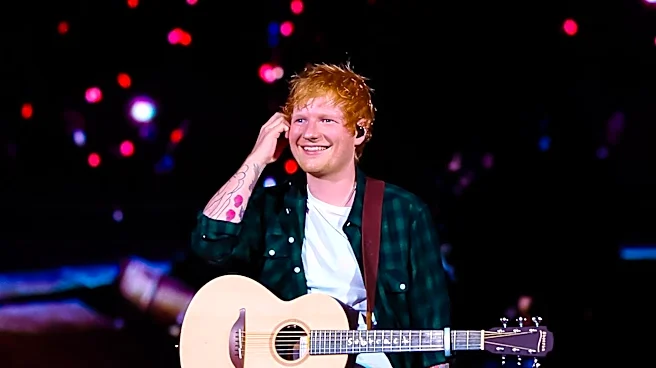
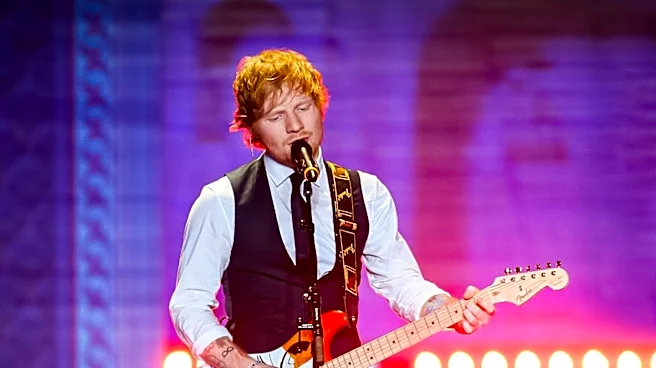
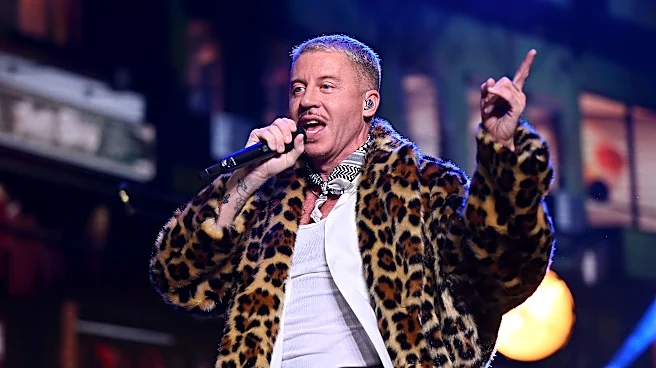
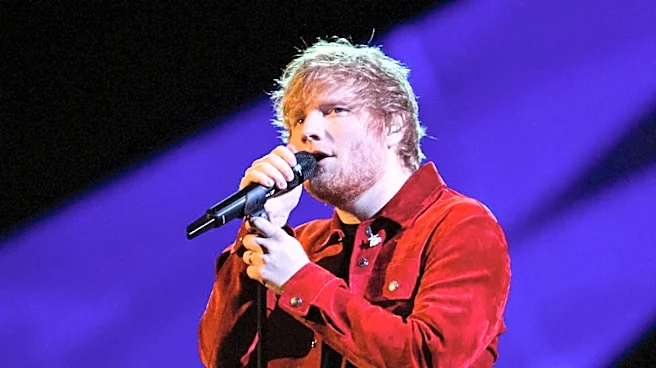
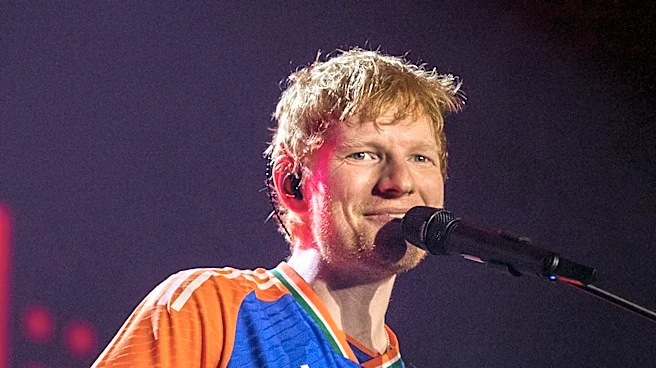
Rapper Macklemore is facing significant backlash and a petition for his removal from Ed Sheeran's 'Loop Tour' after delivering pro-Palestinian messages and performing his song 'Hind's Hall' during his opening sets at MetLife Stadium in East Rutherford,
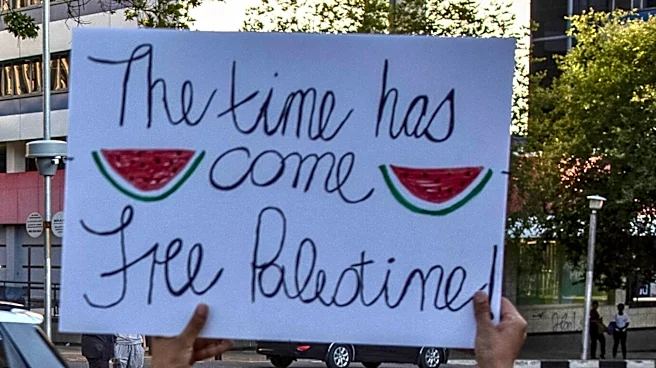
New Jersey, on September 4 and 5. Macklemore, whose real name is Benjamin Haggerty, stated his intention for joining the tour was to loudly proclaim 'Free Palestine' to ensure people in Gaza and the occupied West Bank know they are not forgotten. During his performance of 'Hind's Hall,' footage from Gaza was displayed on stadium screens. The song itself, released in May 2024, is named in reference to Hind Rajab, a five-year-old Palestinian girl reportedly killed by Israeli forces in Gaza, and Columbia University's Hamilton Hall, which pro-Palestinian student activists renamed 'Hind's Hall.' The Israeli-American Council (IAC) initiated a petition calling for Macklemore's removal, labeling his performance as 'divisive' and 'one-sided political propaganda,' arguing that a concert is not an appropriate venue for such political messaging. Macklemore also extended his calls for freedom to Cuba, Congo, Sudan, Iran, and those in America living in fear due to ICE.
Why It's Important?
This incident highlights the increasing intersection of celebrity platforms and geopolitical issues, particularly the Israeli-Palestinian conflict, within the U.S. entertainment landscape. Macklemore's use of a major concert stage to express strong political views underscores the growing trend of artists leveraging their influence to advocate for social and political causes. The immediate and organized backlash from groups like the Israeli-American Council demonstrates the deep divisions and sensitivities surrounding this conflict, even within the U.S. The petition to remove Macklemore from the tour raises questions about artistic freedom versus the expectations of concert promoters and audiences for non-political entertainment. It also reflects the broader societal debate on whether public figures should use their platforms for activism and the potential consequences, including calls for boycotts or removal from commercial engagements. The controversy could influence how artists, promoters, and venues approach political expression in future events, potentially leading to more explicit guidelines or increased scrutiny of performers' content.
What's Next?
The immediate next steps involve the response from Ed Sheeran and his tour management, AEG Presents, regarding the petition and calls for Macklemore's removal. As of the reporting, neither Sheeran nor Macklemore had publicly responded to the petition. Macklemore is scheduled to continue as an opening act for Sheeran's tour, with the next performance set for September 19 in Philadelphia. The ongoing pressure from groups like the Israeli-American Council could intensify, potentially leading to further protests or boycotts targeting the tour or its sponsors. The incident may also prompt other artists and entertainment companies to re-evaluate their policies on political content during performances. The debate over the appropriateness of political messaging at concerts is likely to continue, with both supporters and critics of Macklemore's stance engaging in further public discourse and advocacy.
Beyond the Headlines
This event delves into the complex dynamics of free speech, artistic expression, and corporate responsibility in a highly polarized political climate. Macklemore's decision to speak out, despite admitting he was 'scared,' reflects a personal conviction that transcends commercial considerations, echoing a long history of artists using their art for social commentary. However, the swift and organized opposition highlights the challenges artists face when their political views diverge from a segment of their audience or powerful advocacy groups. The controversy also touches upon the role of entertainment venues and promoters in curating content and managing potential political fallout. It raises questions about the 'neutrality' of entertainment spaces and whether they can, or should, remain apolitical in an increasingly interconnected world. The reference to Hind Rajab and the renaming of Columbia University's Hamilton Hall further connects the global conflict to domestic activism and the broader narrative of Palestinian suffering, demonstrating how international events resonate deeply within U.S. society and culture.