







What's Happening?
Businesses in Lakeland, Florida, including home-based operations, must navigate a multi-faceted approval process that often leads to confusion and delays. The City of Lakeland's system primarily relies on a Business Tax Receipt (BTR), zoning compliance,
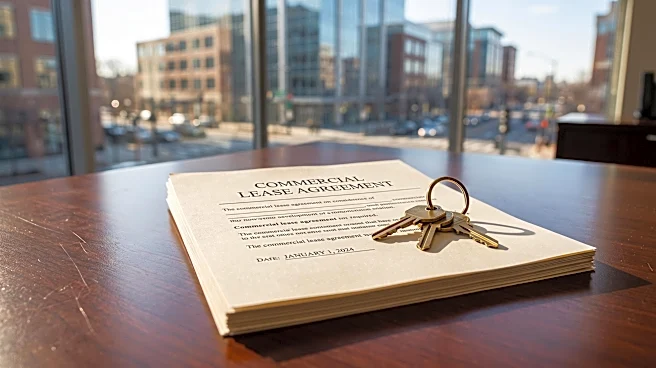
and potential change-of-use or safety reviews, rather than a single 'certificate of use.' Common pitfalls for business owners include signing leases before verifying zoning, failing to secure both city and county business tax receipts, overlooking change-of-use requirements for previously occupied spaces, and neglecting to contact the Fire Department for necessary safety inspections. The City advises prospective business owners to contact its Business Tax Office before signing leases or applying online to preemptively address zoning or prerequisite issues. Fees for BTRs vary by business category, square footage, and employee count, necessitating direct inquiry for accurate quotes. Additionally, businesses must be aware that a BTR is not a professional license and may require separate state-level professional or occupational licenses.
Why It's Important?
The intricate permitting landscape in Lakeland, Florida, poses significant challenges for new and expanding businesses, potentially impacting local economic growth and entrepreneurial success. Delays caused by unaddressed zoning issues or missed inspections can result in substantial financial losses for business owners, including rent payments for unusable spaces and lost revenue from delayed openings. The requirement for both city and county tax receipts, alongside various other potential approvals, creates an administrative burden that can deter small business formation and expansion. This complexity also highlights the need for clear, consolidated guidance from municipal authorities to streamline the process. For homeowners looking to start home-based businesses, understanding these regulations is crucial to avoid legal complications and ensure compliance, thereby fostering a more predictable and supportive environment for local commerce.
What's Next?
Businesses planning to operate in Lakeland, Florida, should prioritize early engagement with city and county authorities. The immediate next steps for prospective business owners involve contacting the City of Lakeland's Business Tax Office to verify zoning and potential requirements before committing to a location. They should also reach out to the Lakeland Fire Department to determine if safety inspections are necessary. Furthermore, businesses must plan to apply for both City of Lakeland and Polk County business tax receipts, understanding that these are separate requirements. Owners should also investigate any state-level professional licenses or registrations pertinent to their specific industry. Staying informed about renewal deadlines, particularly the September 30 deadline for Polk County business tax receipts, will be critical to maintaining compliance and avoiding penalties. For spaces requiring interior modifications or a change of use, engaging with professionals for plans and drawings will be essential to prevent application rejections.
Beyond the Headlines
The challenges faced by businesses in Lakeland, Florida, regarding permitting reflect a broader issue in many U.S. municipalities where regulatory frameworks can be fragmented and difficult to navigate. This complexity can inadvertently create barriers to entry for small businesses and entrepreneurs, disproportionately affecting those without legal or administrative expertise. The reliance on multiple distinct approvals (zoning, city BTR, county BTR, fire inspection, change-of-use) rather than a unified 'certificate of use' can lead to inefficiencies and increased operational costs for businesses. This situation underscores the need for local governments to evaluate and potentially reform their permitting processes to be more user-friendly and transparent. Simplifying these procedures could foster a more dynamic local economy, encourage new business ventures, and reduce the administrative burden on both businesses and municipal staff, ultimately contributing to greater economic resilience and community prosperity.