




What's Happening?
SpaceX is projected to achieve a 2090% revenue growth over the next five years, significantly outperforming other major technology companies. This forecast, released by financial analysis platform Ticker Take founder Jon Erlichman and reported by Benzinga,
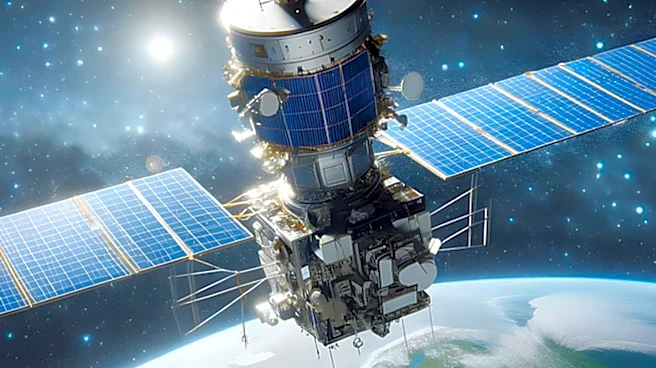
places SpaceX far ahead of AI chip leader NVIDIA, which is projected for 288% growth. Other tech giants like Alphabet (140%), Microsoft (136%), Tesla (119%), Amazon (81%), and Apple (54%) also lag behind SpaceX's anticipated expansion. Elon Musk, CEO of both SpaceX and Tesla, publicly responded to these projections on platform X, stating his belief that both companies will exceed these expectations. While SpaceX's core business has historically been rocket launches, its Starlink satellite internet service is rapidly expanding its user base, and the company is actively investing in artificial intelligence infrastructure, diversifying its revenue streams and solidifying its position as a high-growth enterprise in the eyes of Wall Street.
Why It's Important?
This projection highlights a significant shift in the technology investment landscape, indicating a strong belief in the commercial space sector's potential for unprecedented growth. SpaceX's anticipated revenue surge, dwarfing even that of AI frontrunner NVIDIA, suggests that investors and analysts see the company's diversified ventures—from satellite internet to AI infrastructure—as key drivers of future economic value. This could attract substantial capital to the space industry, fostering innovation and competition. For the U.S. economy, a thriving commercial space sector could create high-tech jobs, stimulate advanced manufacturing, and enhance national capabilities in areas like global connectivity and defense. The success of Starlink, in particular, could bridge digital divides in underserved areas, impacting various sectors from education to remote work. However, some market participants remain cautious due to SpaceX's past financial losses and the capital-intensive nature of its operations, emphasizing the need for sustained profitability.
What's Next?
SpaceX is expected to continue its aggressive expansion of the Starlink network, aiming to increase global coverage and subscriber numbers, which will be a critical factor in realizing its revenue growth projections. Further investments in AI infrastructure and potential new applications of its space technology are also anticipated. The company's financial performance, particularly its path to sustained profitability, will be closely watched by investors, especially given past quarterly losses. Elon Musk's continued public statements and strategic decisions regarding both SpaceX and Tesla will likely influence market sentiment. Should SpaceX meet or exceed these ambitious growth targets, it could pave the way for a potential initial public offering (IPO) in the future, which would be a landmark event for the financial markets and the space industry. Conversely, any significant operational setbacks or financial underperformance could temper these optimistic forecasts.
Beyond the Headlines
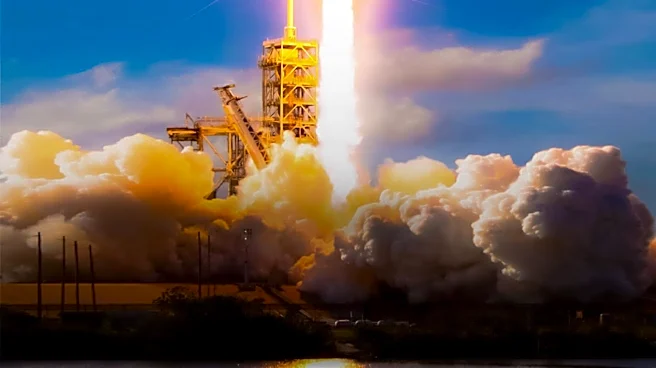
The projected meteoric rise of SpaceX signifies more than just financial success; it represents a broader societal and technological transformation. The company's ventures, particularly Starlink, are democratizing access to high-speed internet globally, which has profound implications for education, economic development, and information dissemination in remote regions. This expansion of connectivity could reshape geopolitical dynamics by empowering populations and fostering new forms of digital commerce and communication. Furthermore, SpaceX's advancements in reusable rocket technology are fundamentally altering the economics of space travel and exploration, making ambitious projects like lunar and Martian missions more feasible. This could ignite a new era of space industrialization, leading to resource extraction, space tourism, and scientific discoveries that were once confined to science fiction. The ethical considerations surrounding space debris, orbital congestion, and the commercialization of space will also become increasingly prominent as SpaceX's operations expand.