







What's Happening?
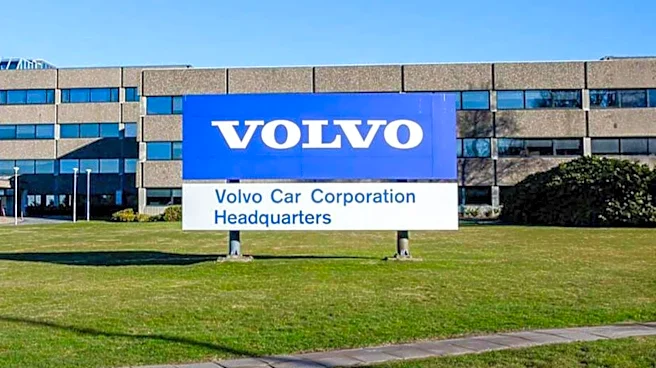
Congressman John Joyce, M.D., recently commented on Volvo Construction Equipment's (Volvo CE) significant investment in revitalizing American manufacturing. During an event marking the rollout of the first U.S.-built excavators and larger wheel loaders
from Volvo CE's Shippensburg, Pennsylvania facility, Congressman Joyce emphasized the positive impact on the community. Volvo CE has expanded its U.S. footprint, with over 50% of its North American machine supply now produced at this facility. This expansion includes the production of 11 additional models, which is expected to shorten customer lead times by more than six weeks. Since 2007, Volvo CE has invested over $1.4 billion to triple its annual output capacity and enhance workforce skills, with a recent $40 million investment contributing to these efforts. The company, which acquired the site in 2007 and established its North American headquarters there in 2012, currently employs over 750 people at the Shippensburg location.
Why It's Important?
This development is important for several reasons, primarily concerning the strengthening of American manufacturing and local economies. Volvo CE's commitment to producing equipment in the U.S. creates job opportunities for families and workers, contributing to economic stability and growth in communities like Shippensburg, Pennsylvania. The localization of production also enhances supply chain resilience, reducing reliance on international manufacturing and mitigating potential disruptions. By shortening customer lead times, Volvo CE improves efficiency and responsiveness within the North American market, benefiting construction and related industries. Furthermore, the substantial investment in workforce skills and digitalization helps to upskill the American labor force, preparing it for advanced manufacturing roles and fostering long-term economic competitiveness. This initiative serves as a model for how private sector investment can align with national manufacturing strategies to create sustainable economic benefits.
What's Next?
Volvo CE has announced an ambition to increase its business with Pennsylvania-based suppliers by 30% by 2030. Achieving this goal will require strong partnerships with suppliers, encouraging them to invest in their operations to meet manufacturing specifications and volumes while remaining cost-competitive. To support this, Volvo CE has partnered with the Franklin County Area Development Corporation, which has already facilitated a $1.5 million investment from a global excavator counterweight supplier for a regional operation. This will create local jobs and ensure just-in-time delivery to the Shippensburg plant. The company also plans to continue upskilling its existing workforce through extensive on-site and off-site training, including cross-cultural experiences with sister factories globally. This integrated approach to manufacturing and engineering aims to further support North American customers and build a more resilient, responsive, and sustainable future for Volvo CE's operations.
Beyond the Headlines
The expansion of Volvo CE's manufacturing capabilities in the U.S. reflects a broader trend of reshoring and nearshoring production, driven by geopolitical dynamics, supply chain vulnerabilities, and a desire for greater operational flexibility. This move not only boosts local economies but also contributes to national security by reducing dependence on foreign manufacturing for critical equipment. The emphasis on developing a localized supplier base and investing in workforce training highlights a strategic shift towards building robust domestic industrial ecosystems. This approach can foster innovation, create high-skilled jobs, and enhance the overall competitiveness of American industries. The collaboration between private companies, economic development organizations, and communities, as seen in the partnership with the Franklin County Area Development Corporation, is crucial for creating an environment where suppliers can confidently invest alongside manufacturers, leading to a more integrated and resilient industrial landscape.