




What's Happening?
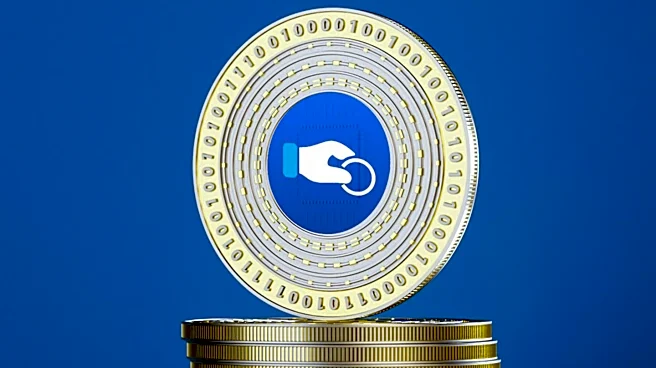
Stablecoin-based merchant payment solutions are transforming how businesses handle transactions by allowing them to accept digital assets like USDC or USDT at checkout. These systems enable instant settlement, bypassing traditional chargeback systems and reducing
fraud risks. The technology operates on a push model, where customers send funds directly, ensuring finality once settled. This approach eliminates the need for multi-day bank holdbacks and offers 24/7 liquidity, even on weekends and holidays. The adoption of stablecoin payments is driven by the need to lower cross-border transaction fees and reduce chargeback exposure, which is projected to reach $41.69 billion globally by 2028.
Why It's Important?
The integration of stablecoin payment solutions is significant for businesses engaged in cross-border e-commerce and B2B transactions. By eliminating traditional credit card fees and chargeback risks, merchants can achieve cost savings and improve cash flow. The ability to settle transactions instantly and access funds in real-time enhances liquidity management, particularly for businesses operating in high-friction corridors. This shift not only reduces operational costs but also expands access to international markets by connecting merchants with global USDC/USDT holders. As the stablecoin payments market grows, it is expected to drive further innovation in financial services and global trade.
What's Next?
As stablecoin payment platforms continue to evolve, businesses may increasingly adopt these systems to streamline their financial operations. The focus will likely be on enhancing compliance measures, integrating with existing banking infrastructure, and expanding the range of supported currencies and networks. Companies may also explore the use of AI to optimize transaction routing and risk management. As the technology matures, it could lead to broader acceptance and regulatory frameworks that support stablecoin transactions, further solidifying their role in the global financial ecosystem.