


What's Happening?
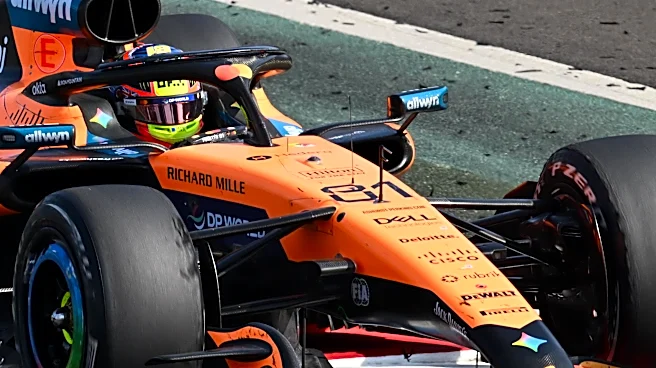
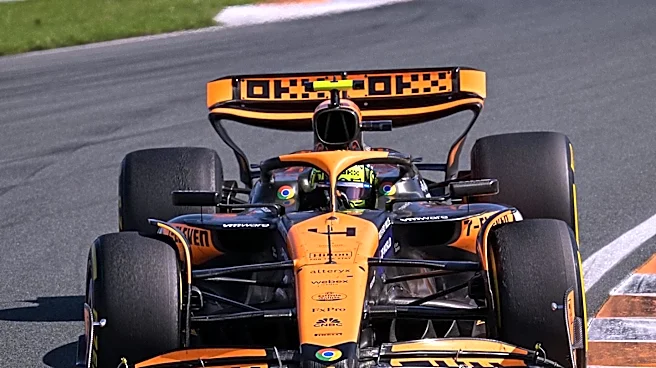
McLaren driver Lando Norris has voiced strong criticism regarding the 2026 Formula 1 regulations, specifically targeting the artificial top-speed limiter. According to Norris, this limiter, which is a software-imposed energy-deployment taper under Article
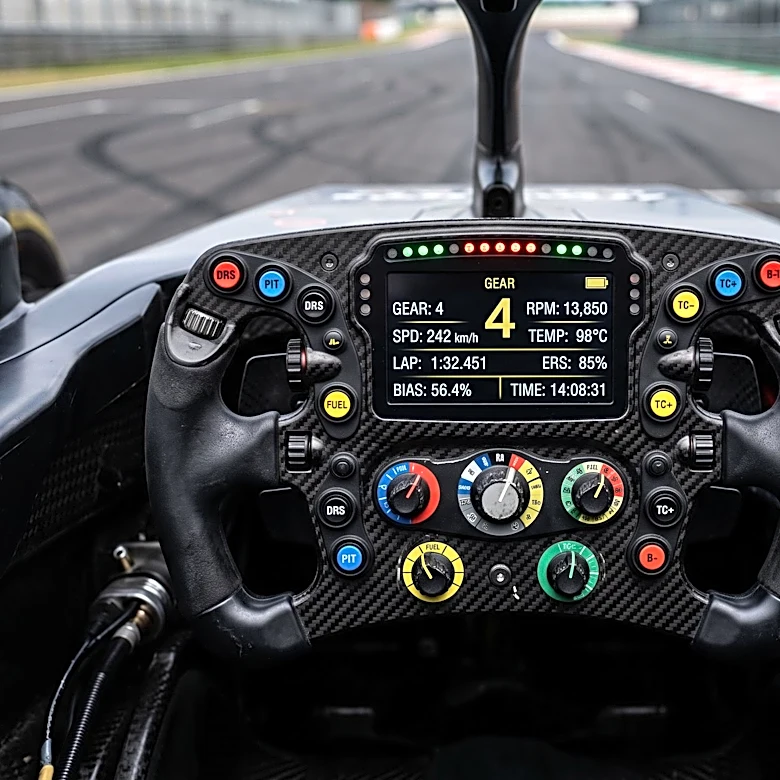
C5.2.8 of the technical regulations, effectively neutralizes the advantage of a slipstream and hinders straightforward overtaking on long straights. He explained that regardless of how close a driver gets to a competitor, both cars hit the same speed limit, making it impossible to capitalize on a draft. Norris highlighted this issue after the Mexico City Grand Prix, where he felt trapped in a 'train' of cars. The regulations cap maximum electrical deployment at 350 kW, tapering off above approximately 290 km/h and reaching zero at 345 km/h in standard mode, or 355 km/h with Overtake mode active. This, combined with the 2026 active-aero 'Straight Mode,' creates a hard ceiling on speed, even on tracks with long straights like Mexico's 1.2 km front straight. Norris dismissed the idea that power-unit hardware changes would resolve the issue, stating that the limiter itself needs to be set higher.
Why It's Important?
Norris's critique is significant because it highlights a potential flaw in the 2026 Formula 1 regulations that could negatively impact the quality of racing. If overtaking becomes artificially constrained by technical rules rather than driver skill or car performance, it could diminish the excitement and competitive nature of the sport. This could lead to less engaging races for fans and frustration for drivers who are unable to utilize traditional racing tactics like slipstreaming. The comparison to MotoGP bikes, which Norris noted can go faster despite F1 cars being inherently quicker, underscores the perception that the sport is artificially limiting its own potential. The issue also raises questions about the balance between technological innovation and maintaining the core elements of competitive racing. If the regulations create 'Frankenstein cars' with artificial constraints, it could undermine the sport's appeal and lead to calls for rule revisions to prioritize genuine on-track battles.
What's Next?
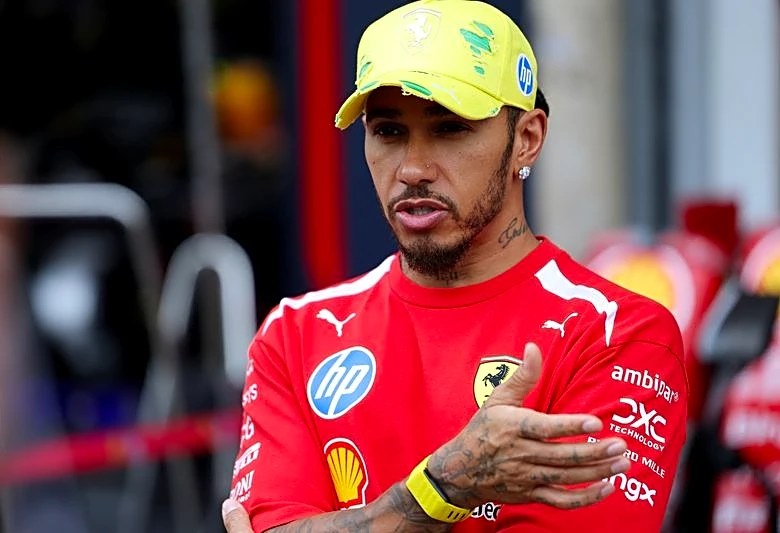
The criticism from high-profile drivers like Lando Norris and Lewis Hamilton (who called the clipping 'the silliest thing') is likely to put pressure on Formula 1's governing bodies to re-evaluate the 2026 regulations. While the relevant speed-linked deployment limits are reportedly deleted from the 2027 regulations, with increased fuel flow, improved turbo boost, and greater harvesting allowance expected to reduce energy starvation, the immediate concern remains for the 2026 season. Discussions and potential adjustments to the limiter settings or other aspects of the energy deployment rules could be initiated to address driver concerns and ensure more dynamic racing. Teams and engineers will also continue to explore ways to optimize car performance within the existing regulatory framework, though Norris suggests a fundamental change to the limiter is needed. The ongoing debate will likely shape future technical regulations to strike a better balance between technological advancement and competitive racing.
Beyond the Headlines
The debate over the 2026 F1 regulations' speed limiter touches upon a broader philosophical question within motorsports: how much should technology dictate the outcome of a race versus driver skill and raw car performance? The artificial constraint on top speed, designed to manage energy deployment, inadvertently creates a scenario where a driver's ability to gain an advantage through traditional means is nullified. This could lead to a homogenization of racing, where strategic energy management becomes paramount over aggressive overtaking maneuvers. The long-term implication could be a shift in the sport's identity, moving further away from pure speed and daring overtakes towards a more calculated, energy-efficient form of racing. This raises ethical considerations about whether the sport is prioritizing technical complexity and energy efficiency at the expense of the spectacle and the very essence of competitive driving that fans expect.