





What's Happening?
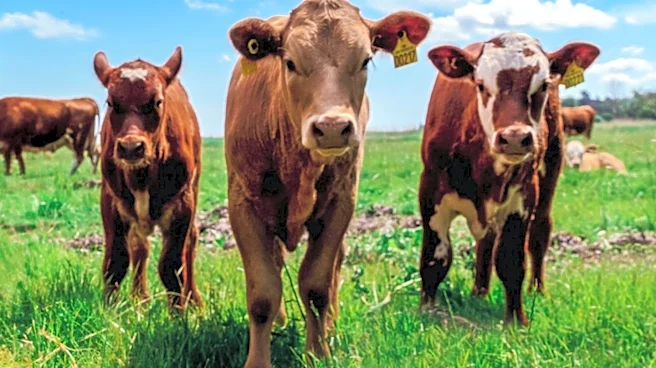
Will Harris, a 71-year-old fourth-generation cattleman, operates White Oak Pastures, a 5,700-acre farming ecosystem in southwestern Georgia that generates $30 million annually. Despite its success, Harris believes the traditional cattle cycle that built
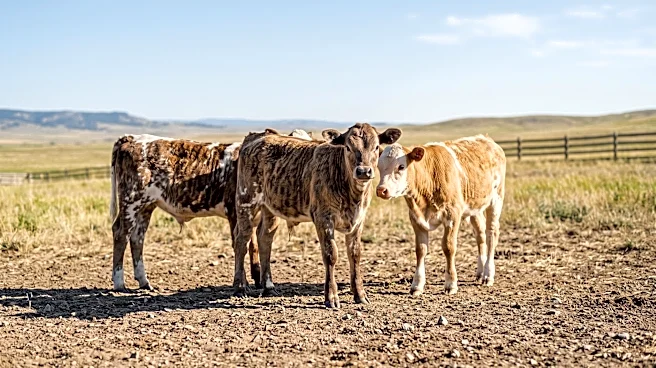
such farms is broken. The U.S. cattle herd is at a 75-year low due to droughts and record-high operating costs, while farmland prices are soaring, often due to institutional investors and developers, including data center companies, outbidding farmers. Harris notes that his county, once thriving on farming, has seen profits shift to large corporations like Tyson and Cargill since World War II. He has adapted his farm from an industrial model to a regenerative one, focusing on natural farming methods and direct-to-consumer sales, particularly after the pandemic. White Oak Pastures is the largest private employer in his county, employing 170 people, more than the town of Bluffton's population. Harris is also training new ranchers through his nonprofit, the Center for Agricultural Resilience, and offers courses on regenerative farming.
Why It's Important?
Will Harris's insights highlight critical challenges facing the U.S. agricultural sector, particularly the cattle industry. The 'broken cattle cycle' signifies a fundamental shift in the economics of farming, where traditional expansion models are no longer viable due to land costs and market dynamics. This situation impacts beef prices for consumers, with ground beef hitting record highs, and threatens the sustainability of family farms. The increasing presence of institutional investors and data center developers in rural areas, outbidding farmers for land, represents a significant threat to agricultural land preservation and food security. Harris's successful transition to a regenerative farming model and direct-to-consumer sales offers a potential blueprint for other U.S. farmers seeking resilience in a changing market. His efforts to train new farmers are crucial for preserving agricultural knowledge and fostering a new generation of sustainable producers, addressing the broader issue of succession in farming and the economic vitality of rural communities.
What's Next?
The U.S. Department of Agriculture's (USDA) recent decision to reserve the 'Product of USA' label for meat from animals born, raised, slaughtered, and processed domestically could provide some relief for producers like Harris by differentiating their products and potentially allowing for better pricing. However, the underlying issues of land affordability and corporate consolidation in the meatpacking industry will likely persist. Harris's openness to data centers, despite his concerns, reflects the economic desperation in some agricultural counties, suggesting that rural communities may increasingly seek alternative industries for economic development. The success of his nonprofit in training new farmers will be vital for the long-term health of sustainable agriculture. Policy discussions around land use, agricultural subsidies, and market concentration in the food industry are likely to intensify as these challenges become more pronounced, potentially leading to new regulations or support programs for independent farmers.
Beyond the Headlines
Harris's story delves into the deeper societal and environmental implications of modern agriculture. His shift to regenerative farming reflects a growing awareness of ecological sustainability and animal welfare, moving away from industrial practices that prioritize cost-cutting over environmental health. The struggle for land ownership between farmers and developers, particularly data center companies, highlights a tension between economic growth and agricultural preservation, raising questions about land stewardship and the future of rural landscapes. The decline of local control over agricultural profits, with large corporations dominating the supply chain, underscores broader issues of economic equity and community resilience. Harris's commitment to 'doing better, not bigger' challenges the conventional growth-oriented business model, advocating for a more localized, sustainable, and community-focused approach to food production that could inspire a broader movement towards food sovereignty and ethical consumption in the U.S.