






What's Happening?
Hampstead, North Carolina, is increasingly recognized as a prime retirement destination, particularly for individuals seeking coastal access, boating opportunities, and proximity to urban amenities. Located approximately fifteen minutes from Topsail and Surf
City beaches and thirty minutes from central Wilmington, Hampstead offers a unique blend of beach proximity and city access that distinguishes it from other regional alternatives. The Intracoastal Waterway (ICW) runs through the community, providing extensive opportunities for boating, fishing, kayaking, and paddleboarding. Retirees are drawn to Hampstead for its ability to offer dockable water access at more accessible price points compared to areas like Wrightsville Beach. The area has experienced steady growth, leading to the establishment of new restaurants, services, and medical practices, which contribute to a more complete daily rhythm while maintaining a small-community feel. Healthcare access is supported by Novant Health New Hanover Regional in Wilmington, a level II trauma center, and Pender Memorial for routine care, addressing a critical concern for many retirees.
Why It's Important?
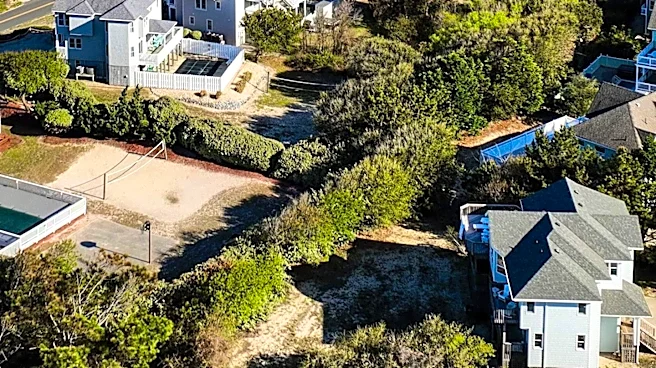
The growing appeal of Hampstead for retirees signifies a shift in preferences among those seeking retirement locations. Many retirees are moving away from traditional amenity communities or quiet inland towns, instead prioritizing a lifestyle that combines coastal living with convenient access to medical and cultural infrastructure. This trend highlights the increasing demand for locations that offer a balance between recreational opportunities and essential services. The availability of diverse housing options, from established subdivisions to newer constructions and waterfront properties, caters to various retiree profiles. The economic impact of this influx of retirees includes increased demand for local services, housing, and healthcare, contributing to the region's economic growth. For the real estate market, Hampstead presents a compelling option for buyers looking for value in coastal properties, especially those interested in boating, as it offers more affordable waterfront access compared to neighboring areas.
What's Next?
As Hampstead continues to attract retirees, further development in local infrastructure, services, and community organizations is anticipated. The steady growth suggests a continued expansion of amenities to cater to the increasing population, including more dining options, retail establishments, and healthcare facilities. The real estate market in Hampstead is likely to remain robust, with ongoing demand for both established and new construction homes, particularly those with waterfront access. Potential challenges could include managing the balance between growth and maintaining the community's small-town feel, as well as addressing infrastructure needs such as road improvements and utility expansions. For prospective retirees, understanding the nuances of insurance costs, which vary significantly based on proximity to water, will be crucial in financial planning. The community's social infrastructure, including local groups and volunteer organizations, is expected to continue expanding, offering new residents ample opportunities to integrate and build social connections.
Beyond the Headlines
The rise of Hampstead as a retirement haven reflects broader societal trends in how individuals envision their post-career lives. There's a clear preference for active, lifestyle-oriented retirements that integrate natural beauty with practical conveniences. This shift challenges traditional notions of retirement communities, emphasizing a desire for age-diverse neighborhoods and organic community growth rather than strictly age-restricted environments. The ethical implications revolve around sustainable development and ensuring that growth benefits both new residents and long-term community members without compromising the area's natural resources or character. Culturally, the influx of retirees from diverse backgrounds can enrich the local community, fostering new social dynamics and potentially influencing local governance and policy decisions. The long-term shift could see other coastal towns adopting similar development strategies to attract this demographic, leading to increased competition and innovation in retirement living options across the U.S. Southeast.