




What's Happening?
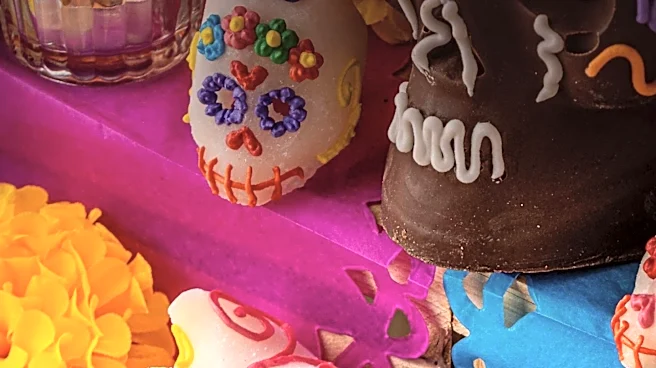
Mesa, Arizona, is hosting its 20th annual Día de los Muertos festival this weekend at the Mesa Arts Center. The celebration, which officially begins at noon on Saturday, honors deceased loved ones through music, food, and cherished memories. A central
feature of the observance is a large community altar where attendees can place offerings of photos and food. Tucson-based artist Kochitl Carry Avila and a team of volunteers spent days constructing the ceremonial altar. This year's theme prominently features hummingbirds, which in Latino tradition are considered messengers delivering comfort to those grieving. The Mesa Arts Center leaders scheduled the festival earlier than the official holiday in November to avoid conflicts with family observances. Marco Meraz, who operates Republica Empanada, expressed gratitude for Mesa's active celebration of the tradition, emphasizing that it provides an opportunity to mourn and celebrate lost loved ones. Rose Hanne, chair of the Mesa Arts Center's foundation board, highlighted the event as a "labor of love" that celebrates the entire family and the Mexican cultural importance of remembering family members.
Why It's Important?
This 20th annual Día de los Muertos festival in Mesa holds significant cultural and community importance. It provides a vital platform for Latino families in Arizona to uphold a tradition rooted in thousands of years of history, honoring and remembering their deceased loved ones. The event fosters community cohesion by bringing people together through shared cultural practices, music, and food. For local businesses like Republica Empanada, the festival offers an opportunity to engage with the community and celebrate their heritage. The emphasis on a community altar and the symbolic use of hummingbirds underscores the festival's role in providing comfort and a collective space for grief and remembrance. By scheduling the event to avoid conflicts with private family observances, the Mesa Arts Center demonstrates an understanding and respect for the personal nature of the holiday, thereby strengthening its connection with the community it serves. The festival's growth over two decades also highlights the increasing recognition and celebration of diverse cultural traditions within the U.S.
What's Next?
The festival is expected to draw a large crowd to Downtown Mesa, which has been decorated in festive colors for the occasion. Beyond the Mesa Arts Center's celebration, Mercado Mesa also plans its annual Día de los Muertos event for October 29, indicating a broader community engagement with the holiday. These ongoing celebrations suggest a sustained commitment to preserving and promoting Latino cultural heritage in Mesa. The continued success and growth of such events may lead to further expansion of cultural programming and increased participation from both the Latino community and the wider public. Organizers will likely continue to refine the festival's offerings, potentially incorporating new artistic elements or community engagement initiatives, while maintaining the core traditions that make the event meaningful.
Beyond the Headlines
The enduring popularity and growth of the Día de los Muertos festival in Mesa reflect a broader trend of cultural preservation and celebration within the United States. This event transcends a mere holiday; it serves as a powerful affirmation of identity and heritage for Latino communities. The communal aspect, particularly the construction of the community altar, offers a unique psychological and social benefit, allowing individuals to process grief collectively and reinforce familial bonds across generations. In a diverse society, such cultural events play a crucial role in fostering understanding and appreciation among different groups, contributing to a richer, more inclusive cultural landscape. The festival's focus on remembrance and celebration of life, rather than just mourning, provides a poignant counter-narrative to Western perceptions of death, highlighting the beauty and continuity of life through ancestral connections. This cultural exchange can lead to deeper societal empathy and a more nuanced understanding of diverse spiritual and philosophical perspectives on life and death.