


What's Happening?
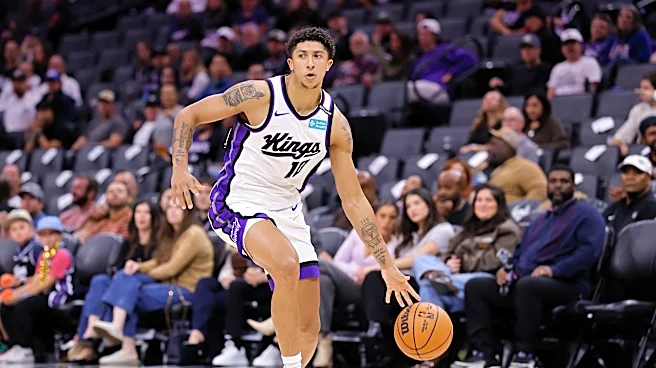
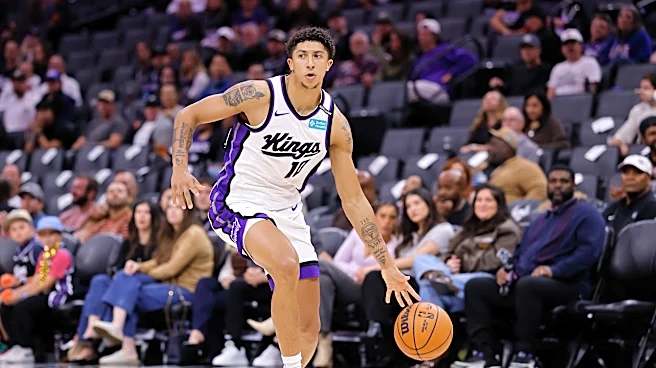
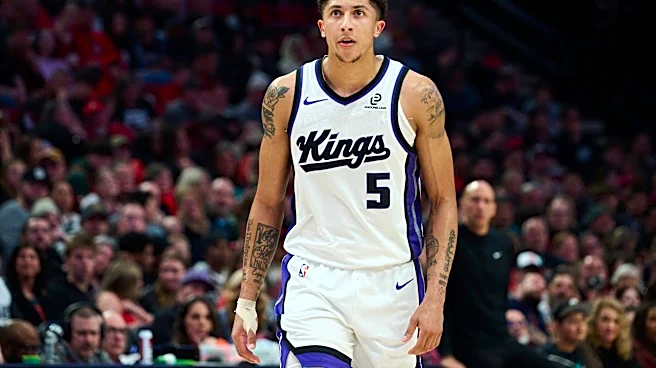
Oklahoma City Thunder head coach Mark Daigneault has expressed strong approval of newly acquired player Nique Clifford, highlighting his character and versatility. Daigneault stated that Clifford is a 'really, really good guy' and a 'team guy' who prioritizes
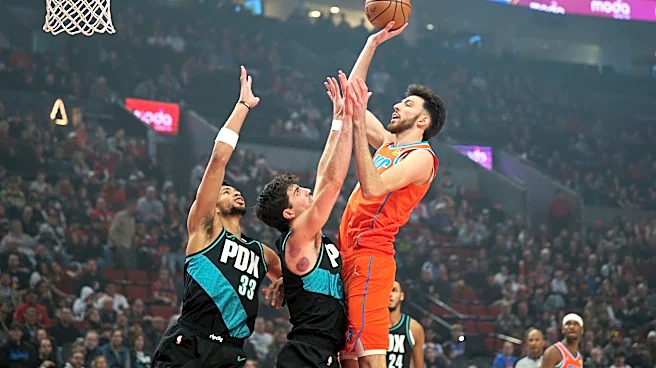
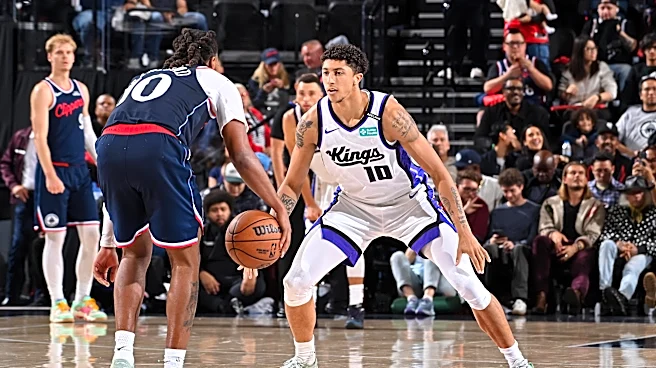
team basketball and is willing to compete and earn his spot. This assessment comes after the Thunder acquired Clifford from the Sacramento Kings in exchange for two future second-round draft picks (a 2028 Utah Jazz second-rounder and a 2030 Minnesota Timberwolves second-rounder). The Thunder had originally drafted Clifford in 2025 before trading his rights to Sacramento. The move to re-acquire Clifford was prompted by significant early-season injuries to key Thunder players, including Jalen Williams, Chet Holmgren, and Cason Wallace, creating a need for additional depth. To make room for Clifford on the roster, the Thunder waived guard/forward Dalen Terry. Daigneault also noted Clifford's on-court versatility, describing him as a player who can defend multiple positions, is sound defensively both on and off the ball, and can fit into the team's offensive system as a 'plug-in guy' with flashes of secondary creation.
Why It's Important?
The acquisition and positive early assessment of Nique Clifford are significant for the Oklahoma City Thunder, particularly given their current injury crisis. With multiple key players sidelined, the team needs reliable contributors who can quickly integrate into their system. Clifford's described team-first mentality aligns with the Thunder's established ethos, which coach Daigneault emphasized as crucial for new players. His defensive versatility and ability to play within a system are valuable assets for a team looking to maintain its competitive edge despite personnel setbacks. This move reflects the Thunder's strategy of leveraging their draft capital to acquire players who fit their specific team culture and on-court needs, especially when facing unexpected challenges. For Clifford, this represents a significant opportunity to establish himself in an NBA rotation, as he was on the outside of the Kings' rotation. His performance will be critical in helping the Thunder navigate a challenging period and could determine his long-term role with the team.
What's Next?
Nique Clifford is expected to be immediately integrated into the Oklahoma City Thunder's rotation, especially given the team's current injury woes. Coach Daigneault has indicated that Clifford will be given opportunities to play and 'declare where he's at,' suggesting a trial-by-fire approach. The coaching staff plans to meet him where he is, help him improve within their system, and utilize his defensive capabilities and systemic offensive fit. His initial performances will be closely watched to see how quickly he adapts to the Thunder's playbook and chemistry. The team will likely continue to rely on its established identity of fast-paced play, aggressive defense, and ball movement to compensate for the absence of key players. Clifford's ability to contribute effectively will be crucial in helping the Thunder maintain their performance level until their injured stars return. Further roster adjustments could occur depending on the severity and duration of current injuries and Clifford's integration.
Beyond the Headlines
The Thunder's move to acquire Nique Clifford and Coach Daigneault's emphasis on his character highlight a deeper organizational philosophy that prioritizes team fit and personality alongside on-court skill. This approach suggests that the Thunder are building a sustainable culture where players who align with their ethos are valued, even when acquired under urgent circumstances. It also underscores the strategic importance of draft capital in the modern NBA, allowing teams like the Thunder to be agile in addressing immediate needs while also investing in players who fit their long-term vision. The 'buy-low' nature of the acquisition, trading future second-round picks for a player who was a former first-round pick, demonstrates a calculated risk to potentially unlock untapped potential within a new environment. This strategy could serve as a model for other teams facing similar injury crises or looking to optimize their roster with players who are strong cultural fits.