







What's Happening?
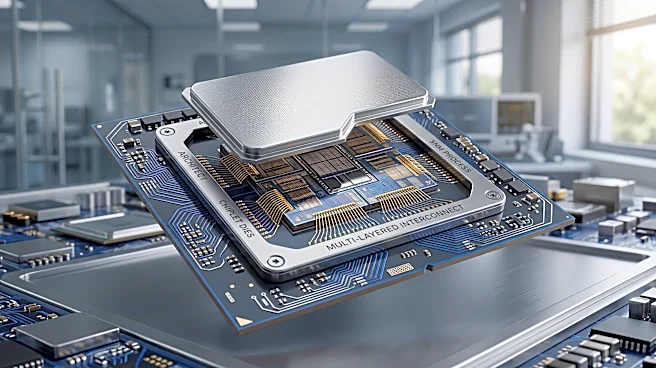
In 2026, Intel and AMD continue to pursue distinct architectural strategies for their CPUs, leading to varied performance strengths across different computing tasks. AMD's 9000 series chips, built on its Zen 5 architecture, utilize chiplets and feature
3D V-Cache technology, which significantly boosts L3 cache for improved gaming performance. Intel's Arrow Lake chips, branded as Core Ultra 200S series, employ a tile-based design, outsourcing tile manufacturing to TSMC and integrating performance and efficiency cores. Intel has opted to drop its Hyper-Threading feature in these new chips. While AMD excels in gaming due to its large cache memory, Intel's focus on core count in its Core Ultra 7 270K Plus (with 8 performance and 16 efficiency cores) provides a strong advantage in multi-core tasks like video rendering, code compilation, and heavy application juggling. Intel also maintains a significant lead in the laptop market, shipping approximately 7 out of every 10 laptop processors, and offers better value for everyday use at the lower end of the market.
Why It's Important?
The architectural divergence between Intel and AMD CPUs has significant implications for consumers and the broader PC market. AMD's dominance in gaming performance with its X3D chips means that gamers will likely continue to favor AMD for their builds, influencing the demand for high-end graphics cards and related components. Conversely, Intel's strength in multi-core performance makes its CPUs more attractive for professionals and users engaged in demanding creative or computational tasks, impacting the workstation and professional PC segments. Intel's strong position in the laptop market ensures its continued influence on mobile computing trends, battery life optimizations, and overall laptop design. The competitive landscape between these two giants drives innovation in CPU design, pushing boundaries in power efficiency, core count, and specialized features, ultimately benefiting the entire technology ecosystem by offering diverse options tailored to specific user needs and budgets.
What's Next?
The ongoing competition between Intel and AMD will likely continue to drive further innovation in CPU architectures. Consumers can expect future generations of processors to refine these distinct approaches, with AMD potentially exploring further cache optimizations and Intel enhancing its hybrid core designs and multi-core efficiency. The battle for market share in both desktop and laptop segments will intensify, leading to more competitive pricing and feature sets. Intel's efforts to maintain its laptop dominance and improve its desktop gaming performance, alongside AMD's push into broader market segments beyond gaming, will be key areas to watch. The success of each company's manufacturing processes and supply chain management, especially with Intel outsourcing some tile manufacturing to TSMC, will also play a crucial role in their ability to deliver competitive products to market.
Beyond the Headlines
The differing design philosophies of Intel and AMD reflect a broader trend in the semiconductor industry towards specialization and optimization for specific workloads. Intel's hybrid core architecture, combining performance and efficiency cores, represents a strategic response to the increasing demand for versatile processors that can handle both intensive single-threaded tasks and background processes efficiently. AMD's focus on large cache memory for gaming highlights the growing importance of specialized hardware acceleration for specific applications. This specialization could lead to a more fragmented CPU market where users select processors not just based on brand loyalty, but on their primary use case. Furthermore, Intel's reliance on TSMC for certain tile manufacturing underscores the complex interdependencies within the global semiconductor supply chain, even among direct competitors, highlighting the collaborative yet competitive nature of the industry.