







What's Happening?
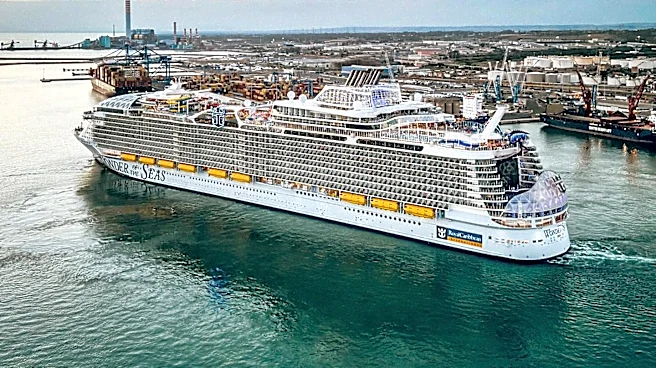
Cruise vacation packages typically include a range of services, though specific inclusions can vary based on the cruise company, ship, route, and ticket type. Most standard ticket prices cover meals in the main dining hall and buffet restaurants for breakfast,
lunch, and dinner. Entertainment and in-cruise activities, such as theatrical shows, concerts, quizzes, swimming pools, and gyms, are also generally included. However, specialty restaurants, alcoholic beverages, special coffees, Wi-Fi, and shore excursions usually incur additional costs. Flights, transfers, and gratuities may also be extra, depending on the package. Travelers are advised to compare packages based on the total cost, considering cabin type, food, transportation, drinks, activities, and any potential extra expenses to ensure the vacation aligns with their budget.
Why It's Important?
The detailed breakdown of cruise vacation package inclusions is vital for U.S. consumers, as it directly impacts their budgeting and overall travel experience. Transparency in what is covered versus what costs extra helps travelers make informed decisions, preventing unexpected expenses that could detract from their vacation. For the cruise industry, clearly defining package components is essential for managing customer expectations and maintaining competitive pricing. The varying inclusions across different cruise lines and packages also foster a dynamic market where companies can differentiate themselves through value propositions. This clarity is particularly important for first-time cruisers who may be unfamiliar with the nuances of cruise pricing, ensuring a smoother and more satisfying travel planning process.
What's Next?
As consumer demand for transparency and value continues to grow, cruise lines may increasingly offer more comprehensive 'all-inclusive' packages that bundle previously extra costs like Wi-Fi, specialty dining, and select excursions. There might also be a trend towards more customizable packages, allowing travelers to select specific add-ons based on their preferences. The industry will likely continue to innovate in how it presents pricing information, potentially using clearer online tools or standardized disclosure formats to help consumers compare options more easily. Travel agents will remain crucial in guiding customers through these complex package structures, ensuring they choose the best fit for their needs and budget.
Beyond the Headlines
The evolution of cruise vacation packages reflects broader shifts in consumer behavior and the travel industry's response to it. The move towards more detailed and potentially all-inclusive offerings speaks to a desire for predictability and convenience in leisure spending, especially in an era where discretionary income is carefully managed. The distinction between included and extra costs also highlights the psychological aspect of pricing, where perceived value can be significantly influenced by what is bundled versus what is an 'upsell.' This dynamic can lead to ethical considerations regarding pricing transparency and the potential for hidden costs. Furthermore, the increasing complexity of package options underscores the importance of consumer literacy in navigating travel purchases, emphasizing the need for thorough research beyond initial quoted prices to truly understand the full financial commitment of a cruise vacation.