





What's Happening?
U.S. supply chain leaders are increasingly prioritizing facility resilience, shifting focus from solely cost optimization to ensuring warehouses and distribution centers can withstand disruptions. This involves evaluating the physical integrity of buildings,
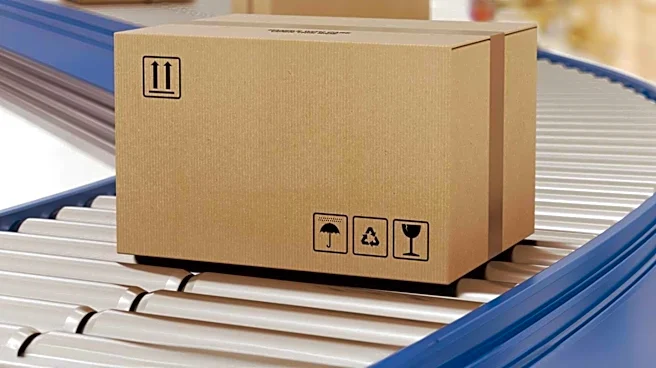
including fire protection systems, electrical infrastructure, and structural components. Routine inspections of critical systems like fire doors, alarms, sprinklers, and electrical panels are becoming integral to identifying potential problems before they escalate into operational delays. Many existing warehouses, designed for simpler storage, are now accommodating advanced technologies like automated conveyors and robotics, placing new demands on their infrastructure. Neglected maintenance, such as minor roof leaks or malfunctioning equipment, can lead to significant interruptions in production, shipping, and receiving. The goal is to create supply chains that are adaptable, scalable, and capable of recovering from unexpected challenges, thereby minimizing disruptions to manufacturing and delivery schedules.
Why It's Important?
The emphasis on facility resilience is crucial for maintaining business continuity across U.S. industries. Disruptions at a single distribution center can have cascading effects throughout tightly connected supply networks, leading to rerouted inventory, capacity constraints at other locations, increased labor demands, and delayed customer shipments. This shift highlights a recognition that physical infrastructure is as vital as transportation routes and inventory levels in ensuring operational stability. By investing in facility resilience, companies can protect their inventory, safeguard employees, and prevent costly operational shutdowns. This proactive approach helps mitigate risks associated with building failures, fires, or electrical problems, which can severely impact fulfillment schedules and customer commitments, ultimately affecting profitability and market reputation.
What's Next?
Companies are expected to integrate facility resilience more deeply into their overall supply chain planning and risk management strategies. This will likely involve establishing company-wide inspection and maintenance standards across multiple locations, ensuring consistency in safety and operational readiness. Organizations will need to regularly review and update their risk management plans to account for evolving market conditions, supplier relationships, and business requirements. Furthermore, there will be a continued focus on leveraging digital tools for better visibility into facility conditions and operational performance. The development of comprehensive emergency plans that cover both employee protection and operational recovery, including communication protocols and alternative inventory routing, will become standard practice to ensure rapid response and recovery from disruptions.
Beyond the Headlines
The move towards facility resilience reflects a broader strategic re-evaluation within the U.S. manufacturing and logistics sectors, moving away from a singular focus on efficiency and cost-cutting towards a more holistic view of risk management. This shift acknowledges the interconnectedness of physical assets, technological advancements, and human capital in maintaining robust supply chains. It also underscores the ethical responsibility of companies to ensure safe working environments and reliable delivery of goods, which impacts consumer trust and economic stability. Long-term, this could lead to significant investments in upgrading older infrastructure, adopting advanced predictive maintenance technologies, and fostering a culture of continuous operational improvement, ultimately enhancing the overall resilience of the U.S. economy against unforeseen events.