






What's Happening?
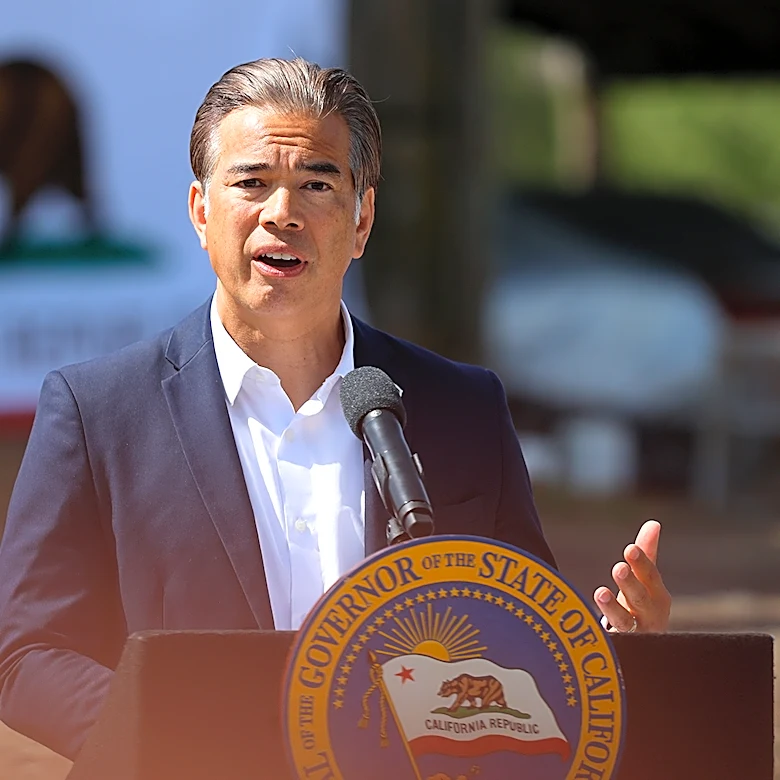
California's Attorney General Rob Bonta has canceled scheduled discussions with Paramount regarding a potential settlement path for its proposed merger with Warner Bros. The cancellation of these talks indicates a potential hurdle for the merger, as regulatory
scrutiny often plays a critical role in such large-scale corporate consolidations. While the specific reasons for the cancellation were not detailed in the provided information, it suggests that the state's top legal officer may have concerns about the implications of the merger. This development follows a period where Paramount and California state officials were reportedly set to meet to discuss the merger's potential impacts. The outcome of such regulatory reviews can significantly influence the feasibility and terms of major corporate transactions, particularly those involving prominent media companies.
Why It's Important?
The intervention of California's Attorney General in the proposed Paramount-Warner Bros. merger underscores the significant role state regulatory bodies play in overseeing large corporate transactions. Such scrutiny is crucial for ensuring that mergers do not lead to anti-competitive practices, reduced consumer choice, or other negative impacts on the public interest. California, as a major economic and cultural hub, holds considerable influence, and its Attorney General's concerns can set a precedent or encourage similar reviews from other states or federal agencies. The cancellation of settlement talks suggests that the state may be preparing for a more rigorous examination of the merger, potentially leading to demands for concessions or even legal challenges if concerns are not adequately addressed. This situation highlights the complex regulatory landscape that companies must navigate when pursuing large-scale consolidations, particularly in industries with broad public reach like media.
What's Next?
With the cancellation of settlement talks, the proposed merger between Paramount and Warner Bros. faces increased uncertainty regarding its regulatory approval in California. The California Attorney General's office may proceed with a more in-depth investigation into the merger's potential impacts, which could include examining market concentration, consumer effects, and employment implications. This could lead to a prolonged review process, potentially delaying the merger or requiring significant modifications to its terms to address regulatory concerns. Depending on the findings, the Attorney General could demand specific conditions for approval, such as divestitures, or even challenge the merger in court. The actions of California's Attorney General could also influence other state or federal regulatory bodies, potentially prompting broader scrutiny of the proposed consolidation.
Beyond the Headlines
The scrutiny of the Paramount-Warner Bros. merger by California's Attorney General reflects a broader trend of increased regulatory oversight over large corporate consolidations, particularly in sectors with significant public impact like media and entertainment. This heightened attention often stems from concerns about market power, potential monopolies, and the impact on content diversity and consumer access. Beyond the immediate financial and competitive implications, such mergers can have profound cultural and societal effects, influencing the types of content produced, the platforms through which it is distributed, and the overall media landscape. The state's involvement highlights the tension between corporate ambitions for growth and efficiency, and the public interest in maintaining competitive markets and protecting consumer welfare. The outcome of this regulatory process could set important precedents for future media mergers and the extent to which government bodies intervene to shape industry structures.