

What's Happening?
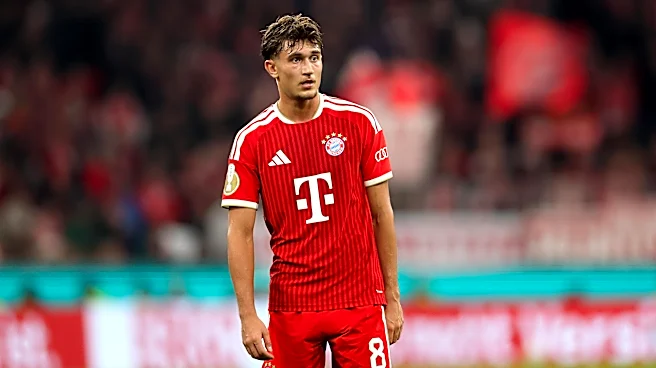
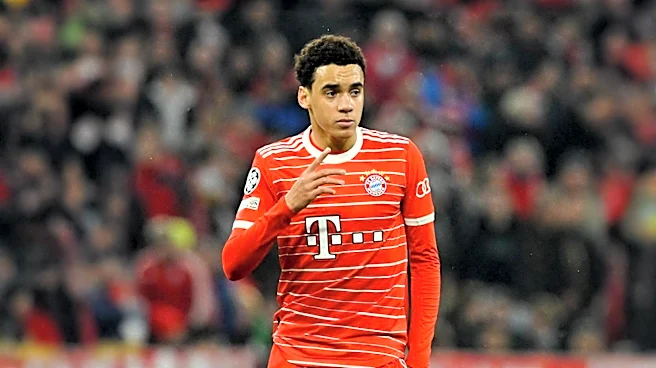
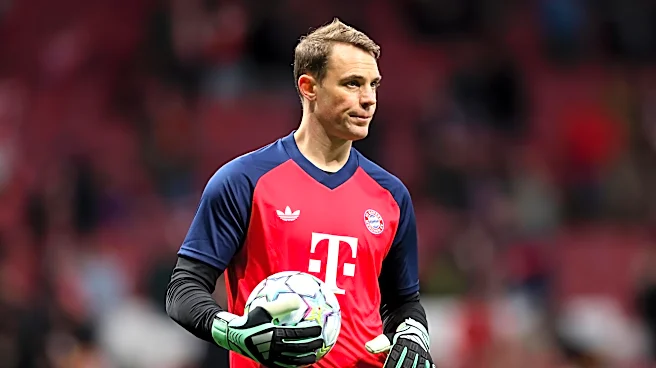
Uli Hoeneß, the honorary president of Bayern Munich, has publicly stated that forward Jamal Musiala may never regain his previous performance level. Musiala, a 23-year-old Germany international, was diagnosed with a treatable 'neurological dysfunction'
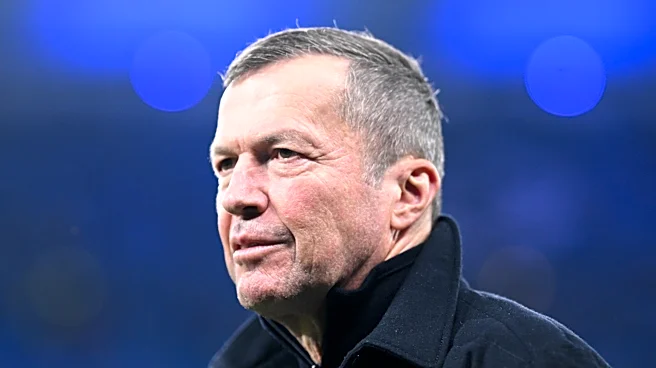
after collapsing twice during pre-season. Hoeneß explained to Bavarian network BR24 that while the illness can be controlled with medication, it cannot be simply cured, leading to uncertainty about Musiala's future performance. Despite this, Hoeneß affirmed that Bayern would support Musiala, who is under contract until 2030. Former Bayern captain Lothar Matthäus suggested that Hoeneß's comments might be an attempt to motivate Musiala.
Why It's Important?
The public questioning of a key player's long-term performance by a high-ranking club official like Uli Hoeneß introduces significant pressure and scrutiny on Jamal Musiala. This situation highlights the delicate balance between player welfare and the demanding expectations of elite professional sports. For Musiala, who has scored two goals in four games this season, these comments could impact his confidence and public perception, even as he manages a serious health condition. The club's commitment to support him, despite the expressed doubts, underscores the complex responsibilities of sports organizations towards their athletes, particularly when dealing with health issues that could affect their careers and the club's investment.
What's Next?
Jamal Musiala recently returned to training after a hamstring injury, but his recovery has not been straightforward. The immediate focus will be on his full return to fitness and consistent performance on the pitch. The ongoing management of his neurological condition and the effects of his medication will be crucial. While Hoeneß's comments have created a stir, the club's official stance is one of support. Musiala's ability to demonstrate his previous form will be key in addressing the concerns raised. The situation could also influence future discussions around his contract or potential transfer interest, depending on his sustained health and performance levels.
Beyond the Headlines
This incident raises important ethical questions about the public disclosure and discussion of an athlete's private health information by club officials. While Hoeneß may have intended to motivate, such statements can inadvertently stigmatize a player and add immense psychological pressure. It also underscores the intense scrutiny and high stakes involved in professional sports, where an athlete's physical and mental well-being are constantly under evaluation, not just for their personal health but also for their value to the team and financial investment. The case could serve as a precedent for how clubs communicate about player health, balancing transparency with privacy and support.