






What's Happening?
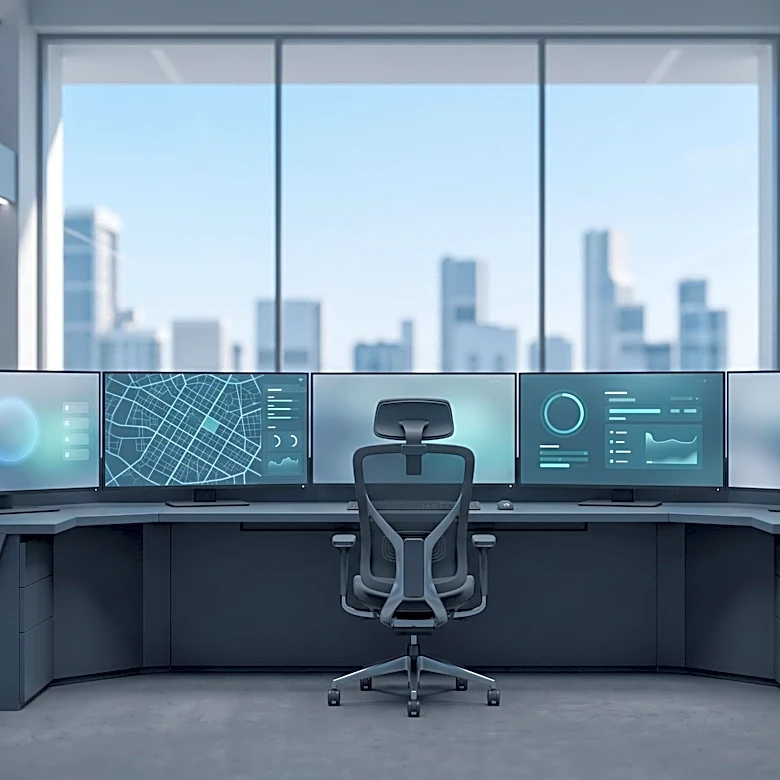
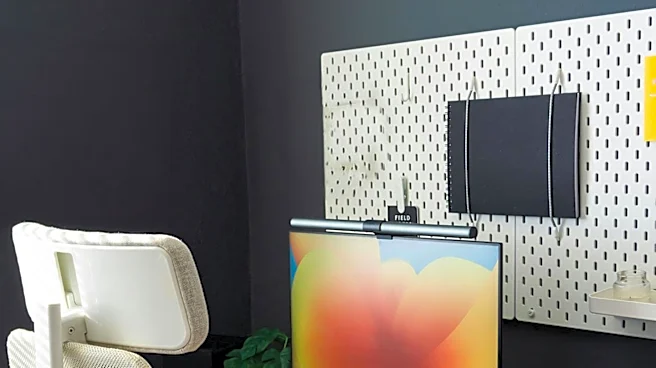
New research conducted by Corgan and the University of Arkansas, utilizing neuroscience-based methods, has demonstrated that specific design strategies in workplace environments can significantly influence attention and cognitive performance. The study
employed EEG technology, behavioral observation, and participant feedback to assess how various environmental conditions affect individuals, including those with inattentive-type ADHD, with findings also applicable to the general workforce. Key discoveries include that dimmer, indirect lighting promotes calmness and focus, while bright lighting increases distraction. Balancing visibility and enclosure in open office layouts supports long-term focus, and moderate movement, such as using sit-stand desks, aids comfort and attention. The research emphasizes that a balanced sensory experience, rather than a single factor, is crucial for enhancing attention.
Why It's Important?
This research holds significant implications for U.S. businesses and the broader economy, particularly in the context of evolving workplace models and the increasing focus on employee well-being and productivity. As companies continue to adapt to hybrid work and redesign office spaces, these findings provide actionable, evidence-based insights for creating environments that optimize cognitive function and reduce stress. Investing in neuroscience-informed design can lead to improved employee concentration, reduced errors, and enhanced overall productivity, directly impacting a company's bottom line. Furthermore, by addressing the needs of diverse cognitive profiles, including those with ADHD, businesses can foster more inclusive and supportive work environments, potentially improving talent retention and attraction in a competitive labor market.
What's Next?
The findings from this research are expected to inform future workplace design strategies, encouraging architects, interior designers, and corporate real estate professionals to prioritize adaptable and balanced settings. Companies may increasingly invest in flexible lighting systems, varied seating options like sit-stand desks, and thoughtfully designed open-plan layouts that provide visual boundaries. The emphasis on sensory balance suggests a holistic approach to office design, considering acoustics, scent, and visual stimuli in conjunction. This could lead to a new generation of office spaces that are not only aesthetically pleasing but also scientifically optimized for human cognitive performance, potentially becoming a standard in modern corporate environments.
Beyond the Headlines
Beyond immediate workplace applications, this research contributes to a deeper understanding of human cognition and environmental psychology. It highlights the subtle yet profound ways our physical surroundings shape our mental states and abilities. Ethically, it underscores the responsibility of organizations to create environments that support, rather than hinder, employee well-being and cognitive health. Culturally, it may lead to a greater appreciation for thoughtful design in all built environments, from schools to public spaces, recognizing their impact on learning, creativity, and overall quality of life. This interdisciplinary approach, combining neuroscience with architectural design, represents a long-term shift towards more human-centric and evidence-based approaches to shaping our physical world.