






What's Happening?
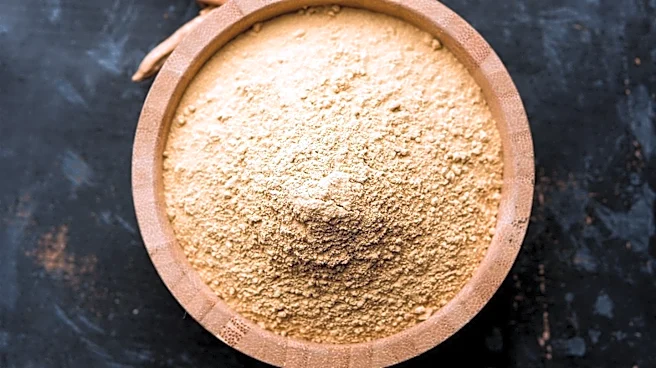
Ashwagandha (Withania somnifera), an adaptogenic herb, is being studied for its potential to alleviate stress-related sleep disturbances, particularly in the context of menopause. Research indicates that standardized root extracts, typically administered
at 300 mg twice daily, may lead to reduced morning cortisol levels, shorter sleep onset time, and improved overall sleep quality compared to a placebo. Some trials have specifically focused on individuals with chronic insomnia, showing promising results. However, the evidence is not yet unanimous, and the quality of ashwagandha products available on the market can vary significantly. Due to these factors, the current evidence grading for ashwagandha's efficacy in sleep support is considered emerging to moderate.
Why It's Important?
This development is significant for women in the U.S. experiencing menopause-related sleep issues, as it offers a potential natural alternative or complementary treatment. Menopause often brings hormonal fluctuations that disrupt sleep patterns, leading to increased stress and reduced quality of life. Ashwagandha's adaptogenic properties, which help the body manage stress, could address a root cause of these sleep problems. However, the variability in product quality and the need for further research underscore the importance of informed consumer choices and professional medical guidance. The findings also highlight a growing interest in herbal remedies for menopausal symptoms, potentially influencing future research and product development in the women's health sector.
What's Next?
Further clinical trials are needed to solidify the evidence base for ashwagandha's effectiveness and safety, especially in menopausal women. These studies will likely focus on standardizing dosages, identifying optimal formulations, and understanding potential interactions with other medications. Consumers can expect to see more ashwagandha-containing products marketed towards sleep and stress relief, but it will be crucial for them to seek out reputable brands that provide transparent information on sourcing, standardization, and third-party testing. Healthcare providers may increasingly consider ashwagandha as part of a holistic approach to managing menopausal symptoms, particularly for those seeking non-pharmacological options.
Beyond the Headlines
The exploration of ashwagandha for menopausal sleep issues reflects a broader trend in healthcare towards integrating traditional herbal medicine with modern scientific validation. This convergence can empower individuals to take a more active role in managing their health, but it also necessitates a critical approach to product claims and a reliance on evidence-based information. The varying quality of supplements on the market raises ethical questions about consumer protection and the responsibility of manufacturers to ensure product integrity. Ultimately, the success of adaptogens like ashwagandha in mainstream wellness will depend on robust scientific backing and a commitment to transparency and quality.