






What's Happening?
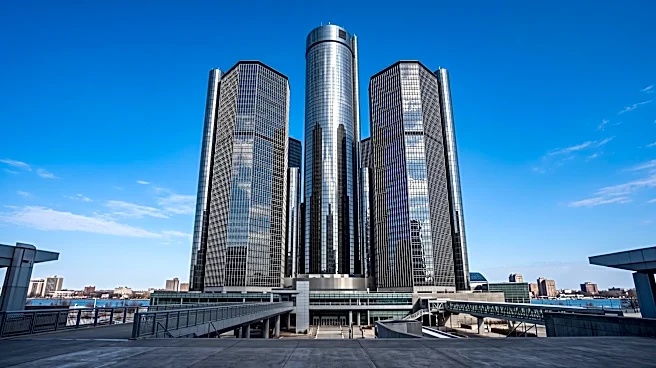
Jamaine Dickens, Chair of the Neighborhood Advisory Council for the Renaissance Center/East Riverfront project, asserts that community benefit requests tied to the redevelopment are not 'gifts' or 'philanthropy.' He emphasizes that these requests are crucial
for protecting renters from displacement as property values increase, investing in Detroit's youth for future workforce development, and ensuring that a portion of the anticipated $2.2 billion investment in the city center creates opportunities for Detroit residents and businesses. Dickens highlights that these are efforts to guarantee Detroiters' participation in the economic exchange occurring within their own city, rather than acts of charity. He acknowledges the significance of Dan Gilbert's $1.6 billion investment, recognizing the commitment required for such a transformative project.
Why It's Important?
This perspective is vital as it reframes the narrative around urban redevelopment, particularly in historically marginalized communities like Detroit. By rejecting the 'charity' label, Dickens underscores the principle that community benefits are a right and a necessary component of equitable development, not a benevolent handout. This approach aims to prevent gentrification and ensure that long-term residents benefit from economic growth, rather than being displaced by it. For U.S. cities undergoing revitalization, this sets a precedent for how community engagement and benefit agreements are perceived and negotiated. It highlights the tension between attracting large-scale investment and ensuring inclusive growth, impacting public policy discussions on urban planning, affordable housing, and workforce development in similar contexts across the nation. The debate also reflects a broader societal shift towards demanding greater accountability from developers and investors in contributing to the well-being of local populations.
What's Next?
The ongoing dialogue surrounding the Renaissance Center redevelopment will likely continue to focus on the specifics of community benefit agreements. Stakeholders, including the Neighborhood Advisory Council, developers, and city officials, will need to navigate the complexities of balancing significant private investment with the demands for equitable community participation and protection. Future discussions may involve detailed negotiations on housing affordability measures, local hiring initiatives, and educational programs. The outcome of these negotiations could serve as a model or a cautionary tale for other major urban redevelopment projects in the U.S., influencing how similar projects are structured and how community voices are integrated into the planning process. The emphasis on 'meaningful investment and meaningful inclusion' suggests a continued push for tangible, measurable benefits for Detroiters.
Beyond the Headlines
The debate over community benefits in the RenCen redevelopment delves into the ethical and social responsibilities of large-scale urban projects. It challenges the traditional view that economic development alone is sufficient, advocating instead for a holistic approach that prioritizes social equity and community resilience. This situation reflects a long-standing tension in urban development: how to attract capital and stimulate growth without exacerbating existing inequalities or displacing vulnerable populations. The historical context of Detroit, with its legacy of economic hardship and racial disparities, amplifies the importance of these discussions. The argument that community benefits are not charity but a right speaks to a deeper cultural shift where communities are increasingly asserting their agency and demanding a share in the prosperity generated by development within their neighborhoods. This could lead to more robust community benefit ordinances and greater scrutiny of developer agreements nationwide.