





What's Happening?
Digital Realty Trust, Inc. (NYSE:DLR), a prominent real estate investment trust specializing in data centers, has announced record data center bookings in its latest quarterly update. This surge in leasing activity is primarily attributed to the escalating
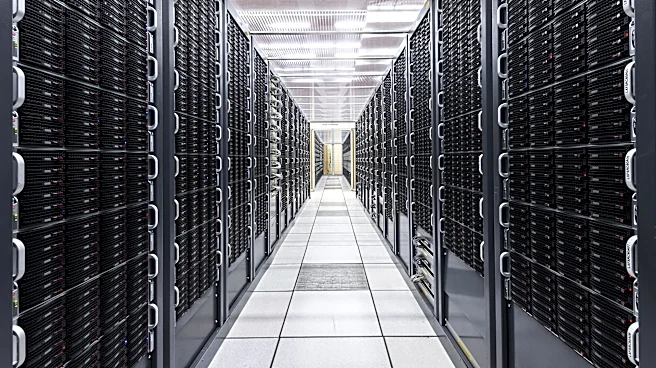
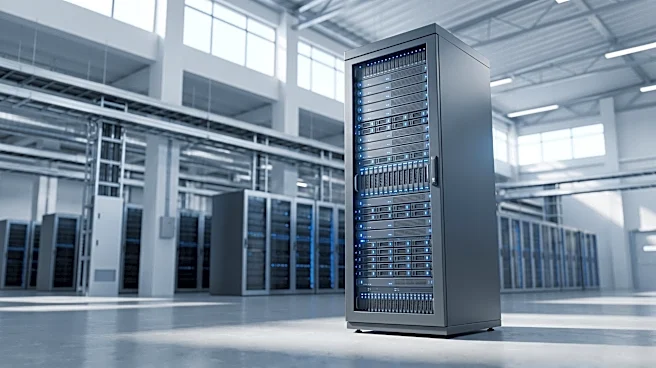
demand for artificial intelligence (AI) and cloud computing services across its global network of facilities. The company operates a vast infrastructure that houses computing hardware for various entities, including enterprises, cloud platforms, and a growing number of AI-focused tenants. The increased appetite for high-density computing has led to heightened interest in firms that own and manage these specialized campuses. Digital Realty's report highlighted strong demand, consistent occupancy rates, and ongoing expansion efforts across multiple regions. The company noted significant new leases from cloud providers and large enterprises scaling their AI workloads, with rental revenue from existing spaces remaining stable. Furthermore, a healthy backlog of signed but not yet commenced agreements indicates sustained demand visibility beyond the current period. Funds from operations, a key metric for the sector, reflected the expanding leased capacity, with an emphasis on disciplined development and delivering power-ready spaces in critical markets where electricity availability is a limiting factor.
Why It's Important?
This development underscores the critical role of digital infrastructure in the modern U.S. economy, particularly as AI and cloud computing continue their rapid expansion. Digital Realty's performance reflects a broader industry trend where demand for computing space is outstripping new supply in highly sought-after locations. The company's ability to provide high-density, power-ready facilities is crucial for businesses and cloud providers that require immense computational power for AI model training and deployment. This trend benefits data center landlords like Digital Realty, as they are uniquely positioned to meet the specialized needs of AI workloads, which consume significant electricity and generate substantial heat. The intense competition for land, power, and skilled labor in this sector means that companies capable of delivering space quickly in strategic locations gain a significant advantage. As a member of the S&P 500, Digital Realty's updates offer insights into the health and direction of the digital real estate market, impacting investors and stakeholders across the broader U.S. real estate and technology sectors.
What's Next?
Looking ahead, Digital Realty will focus on converting its substantial backlog of signed agreements into revenue-generating operational space. The pace of this conversion will be a key factor to monitor, especially given ongoing power constraints that could impact delivery timelines. The company has indicated strong demand visibility and a development pipeline strategically aligned with markets where customer capacity needs are most acute. Continued investment in developing campuses capable of supporting heavy power densities and advanced cooling will be essential to meet the evolving requirements of AI-focused tenants. The industry as a whole will need to navigate challenges related to securing sufficient land, power, and permitting to keep pace with customer demand. Furthermore, the direction of borrowing costs will influence the economics of new projects, with any easing in financing conditions potentially lowering expansion costs for capital-intensive real estate owners like Digital Realty. The company's global footprint and focus on interconnection services are expected to remain key differentiators in attracting and retaining multinational tenants.
Beyond the Headlines
The surge in demand for data centers, particularly driven by AI, highlights several deeper implications. Firstly, the increasing energy consumption of AI workloads raises significant sustainability concerns, pushing data center operators to prioritize energy efficiency and renewable energy sourcing. Digital Realty's efforts in renewable procurement and efficiency upgrades are becoming not just operational necessities but also commercial advantages, as enterprises increasingly prefer facilities with documented clean-power usage. Secondly, the concentration of computing power in specialized data centers could lead to new geographical hubs of digital infrastructure, influencing regional economic development and job creation. Thirdly, the reliance on a few major data center providers for critical AI and cloud infrastructure raises questions about digital resilience and potential single points of failure. The 'network effect' of dense interconnection ecosystems, while beneficial for customer loyalty, also creates a high barrier to entry for new competitors and reinforces the market position of established players like Digital Realty.