






What's Happening?
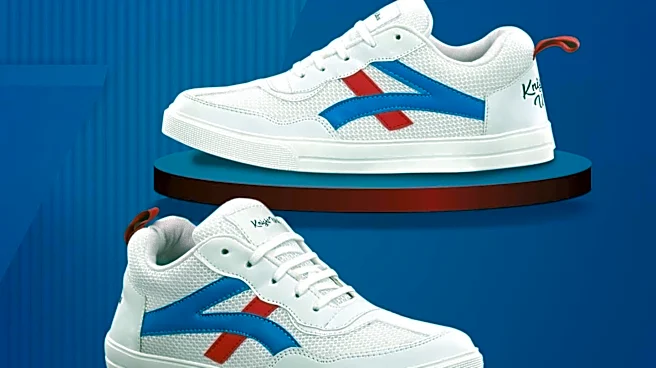
Onitsuka Tiger's MEXICO 66 shoe model is recognized for its distinctive design elements, particularly its side stripes and heel details. The shoe features blue lines sweeping across white leather, crossing red and blue strips, with a low sole and a pale
toe overlay. The brand's official anniversary feature highlights that the stripe's first appearance dates back to 1966, while the modern MEXICO 66, which integrates details from earlier shoes, arrived in 2002. The heel of the shoe also carries significant design, with 'Tiger' appearing in blue on the heel tab and stitched white pieces forming an 'X' below it. These heel details are traced back to the second Limber Up model, released in 1961, showcasing a blend of historical design elements in a contemporary product.
Why It's Important?
The design philosophy behind the Onitsuka Tiger MEXICO 66, which combines historical elements with modern aesthetics, is important for understanding brand longevity and consumer appeal in the athletic footwear market. By integrating design cues from models dating back to the 1960s, Onitsuka Tiger leverages its heritage to create products that resonate with both long-time enthusiasts and new customers. This approach highlights the value of brand storytelling through product design, where each detail, from the side stripes to the heel tab, contributes to a richer narrative. For the U.S. market, where sneaker culture is deeply ingrained, such historical depth can enhance a brand's perceived authenticity and desirability, influencing purchasing decisions and market trends in athletic and lifestyle footwear.
What's Next?
The continued emphasis on heritage and distinctive design elements by Onitsuka Tiger suggests a strategy of maintaining brand identity while evolving product lines. Future collections are likely to draw inspiration from the brand's extensive archives, potentially reintroducing or reinterpreting other classic features. This approach could lead to collaborations with designers or artists who can bring fresh perspectives to these historical elements, further expanding the brand's reach and appeal. Consumers can anticipate new iterations of popular models like the MEXICO 66, possibly with updated materials or colorways, while retaining the core design language that defines the brand. This strategy aims to keep the brand relevant in a competitive market by balancing tradition with innovation.
Beyond the Headlines
The design of the Onitsuka Tiger MEXICO 66 goes beyond mere aesthetics; it represents a deeper connection to the brand's origins and evolution. The deliberate incorporation of elements from different historical models, such as the 1966 stripe and the 1961 heel details, illustrates how brands can build a sense of continuity and legacy. This practice fosters a unique relationship with consumers, who often seek products with a story or a sense of authenticity. In a broader cultural context, the enduring popularity of such designs reflects a cyclical nature of fashion, where classic styles are continually re-embraced and reinterpreted. This also highlights the power of subtle design cues in creating iconic products that transcend fleeting trends and maintain relevance over decades.