
What's Happening?
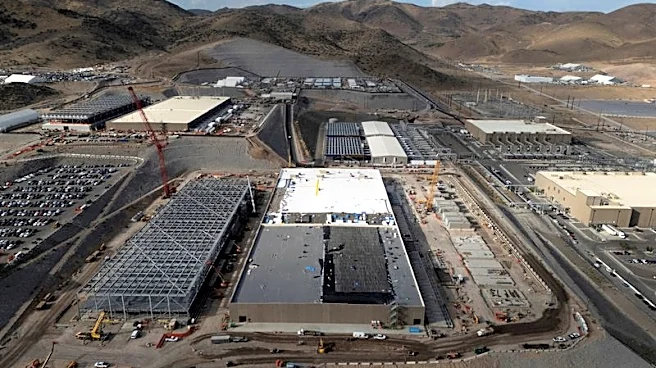
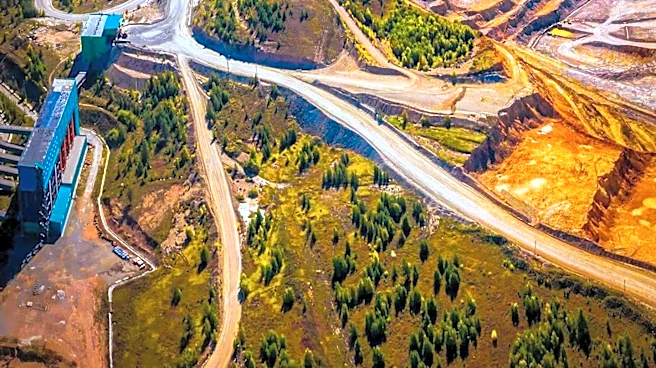
Freeport-McMoRan Inc. (NYSE:FCX) has approved a significant expansion and modernization project for its long-established Bagdad mine in Arizona. This board approval converts years of study into committed
capital, initiating engineering, procurement, and construction on a defined schedule. The expansion aims to increase annual copper output and molybdenum production. This move comes as the United States prioritizes securing mineral inputs for its industrial programs, placing domestic supply, particularly from American copper production hubs like Arizona where Freeport-McMoRan operates a large share, in a favorable policy position. The project leverages existing infrastructure, workforce, and permits, allowing for a quicker timeline to expanded production compared to greenfield developments. The company's decision reflects confidence in operating cash flows to support both growth spending and its performance-linked distribution framework, underpinned by strengthening copper prices driven by the electrification cycle.
Why It's Important?
This expansion is significant for several reasons. Domestically, it bolsters the U.S. supply of critical minerals, aligning with national policy objectives to secure mineral inputs for industrial programs. Copper demand is being reshaped by electrification, with grids, data centers, electric vehicles, and renewable energy generation all requiring substantial amounts of the metal. As new large deposits become scarcer and slower to permit, producers with expandable assets in stable jurisdictions are focusing on deepening existing operations. Freeport-McMoRan's multi-decade commitment to an American asset also diversifies its production base, which currently spans the Americas and Indonesia. The by-product molybdenum, used in steel alloys and industrial chemistry, further enhances the economic viability of the project by subsidizing copper production at a modest incremental cost. This strategic investment positions Freeport-McMoRan to capitalize on the growing demand for copper while strengthening its operational footprint in the U.S.
What's Next?
Following the board's approval, engineering, procurement, and construction phases for the Bagdad mine expansion will proceed on a defined schedule. The industry anticipates approximately several years from approval to the first expanded production, a relatively brisk timeline due to the site being an existing, operational mine with established infrastructure. This period will involve navigating procurement cycles, construction seasons, and commissioning phases, requiring disciplined execution. The success of the project will depend on managing cost inflation, equipment lead times, and commissioning complexity, which are standard challenges for large-scale mining projects. The company will continue to balance major growth spending with its practice of returning cash to shareholders through its performance-linked distribution framework. The long-term return on this investment will be influenced by the trajectory of copper prices throughout the decade.
Beyond the Headlines
The decision to expand the Bagdad mine reflects a broader industry trend where established mining companies are prioritizing existing, expandable assets in stable jurisdictions over new, greenfield developments. This approach mitigates the longer risks associated with permitting and infrastructure development for entirely new sites. The project also highlights the increasing strategic importance of domestic mineral supply for the U.S., driven by the global push towards electrification and renewable energy. The long-term value of established ore bodies is being re-evaluated in light of these trends, with companies making multi-decade commitments. This investment is not just about increasing production; it's a vote of confidence in the enduring demand for copper, the efficacy of domestic supply policies, and the long-term viability of existing mining operations in the U.S. The ethical and environmental considerations of expanding mining operations, even existing ones, will remain a focal point for stakeholders.