




What's Happening?
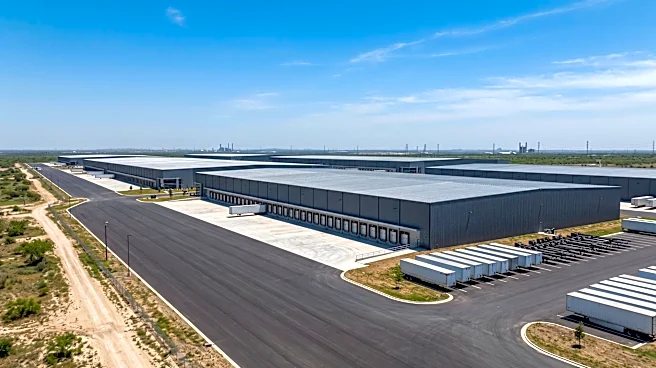
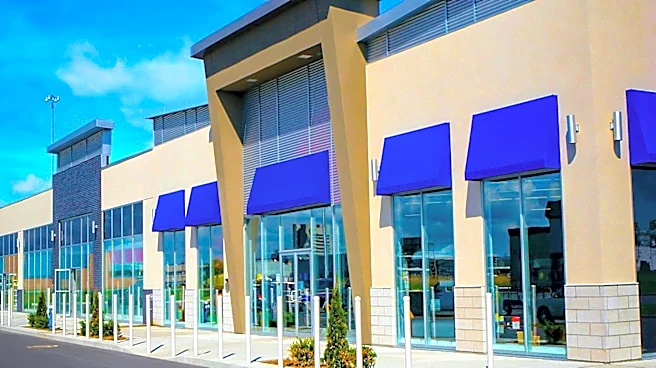
The Q3 2026 Northwest Arkansas Market Summary by Cushman & Wakefield | Sage Partners reveals that the region's commercial real estate market remains tight across office, industrial, and retail sectors. Industrial vacancy held at 5.3%, office vacancy at 5.9%,
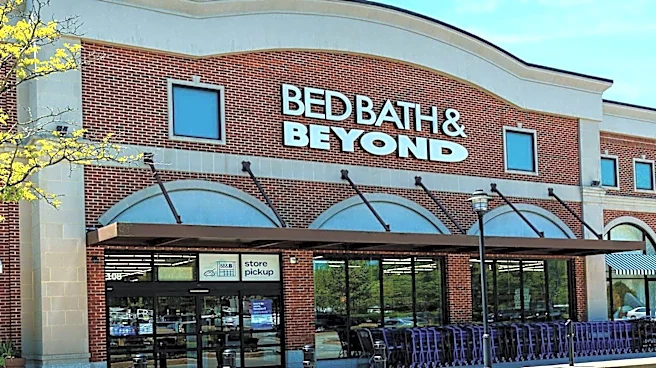
and retail vacancy at 3.9%, all significantly lower than national averages of 7.4%, 20.1%, and 4.3% respectively. This tightness persists despite significant new investment and infrastructure development in the region. Key developments include the opening of the second phase of the Springdale Northern Bypass, a new connection to Northwest Arkansas National Airport, and the groundbreaking of the 120-acre AWSOM Whole Health Campus in Bentonville. Additionally, The Visionaries, a 200,000-square-foot office building anchored by Nestle, opened in Rogers.
Why It's Important?
The sustained tightness in Northwest Arkansas's commercial real estate market, coupled with ongoing infrastructure and development projects, signifies robust economic growth and strong demand in the region. This situation is beneficial for property owners and developers, as low vacancy rates typically lead to higher rental income and property values. However, it also presents challenges for businesses seeking to expand or relocate to the area, as limited available space can drive up costs and hinder growth. The strategic infrastructure improvements, such as the Springdale Northern Bypass and enhanced airport access, are crucial for supporting this growth, improving connectivity, and attracting further investment. The development of major projects like the AWSOM Whole Health Campus and The Visionaries office building indicates a diversified economic base and continued confidence in the region's future.
What's Next?
According to Marshall Saviers, CEO and principal of Cushman & Wakefield | Sage Partners, Northwest Arkansas is entering a more selective market phase. While significant investment and new capacity are being added, the region is not experiencing the broad supply imbalance seen nationally. Future performance will increasingly depend on the quality, location, access, and development readiness of properties. This suggests that developers and investors will need to focus on high-quality, well-located projects that meet specific market demands. The continued development of infrastructure and major commercial projects will likely sustain demand, but the emphasis will be on strategic, well-planned growth rather than widespread expansion. The region's ability to maintain a balance between supply and demand will be critical for its long-term economic health.
Beyond the Headlines
The unique market dynamics in Northwest Arkansas, characterized by tight commercial real estate despite significant development, highlight a successful regional growth model. This model appears to be driven by strategic investments in infrastructure and a focus on attracting diverse industries, from healthcare to corporate headquarters. The selectivity noted by Saviers suggests a maturing market where quality and strategic positioning are paramount, moving beyond a simple demand-driven expansion. This could lead to a more sustainable and resilient real estate market, less prone to the boom-and-bust cycles seen in other rapidly growing areas. The region's experience offers valuable lessons for other U.S. cities aiming for controlled yet robust economic development, emphasizing the importance of integrated planning that considers both commercial and infrastructural needs.