





What's Happening?
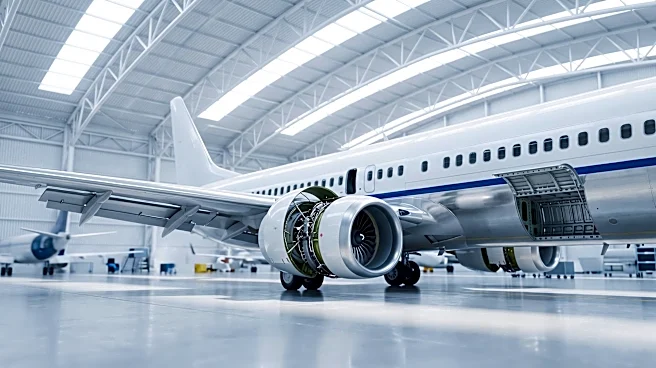
AerFin, a supplier of used service material and manager of aircraft and engine assets, has engaged Tarmac Aerosave to dismantle over 10 aircraft in the coming months. This program includes new-generation narrowbody aircraft such as the Airbus A320neo
and Boeing 737 MAX. Tarmac Aerosave, a France-headquartered storage and recycling specialist, has established a dedicated line for this program, which encompasses cabin and landing gear removal, as well as the management of priority and standard parts lists. This arrangement aims to expedite the recovery of components for AerFin. The collaboration comes as demand for materials from newer-generation narrowbodies is increasing, despite the relatively young age of these aircraft programs (A320neo at 10 years and 737 MAX at 9 years). Simon Bayliss, AerFin Chief Operating Officer, noted that this program reflects growing customer demand for materials from these aircraft, which is currently constrained by a limited number of teardown candidates in the market. Tarmac Aerosave's Chief Commercial Officer, Christian Ceruti, highlighted that this collaboration confirms their position as a leading player in the dismantling and recycling market, with both parties having worked together for 10 years and planning additional projects for 2027.
Why It's Important?
This partnership is significant for the aviation industry, particularly in the aftermarket and maintenance, repair, and overhaul (MRO) sectors. The increasing demand for used serviceable materials (USM) from relatively new aircraft like the A320neo and 737 MAX indicates a shift in airline and MRO strategies towards cost-efficiency and sustainability. Utilizing USM can significantly reduce maintenance costs compared to purchasing new parts, which is crucial for airlines operating on thin margins. Furthermore, the limited availability of teardown candidates for these newer aircraft highlights a potential supply-demand imbalance, making strategic partnerships like this vital for securing essential components. This trend also points to the growing maturity of the aircraft recycling industry, which is becoming increasingly sophisticated in extracting value from end-of-life aircraft. The collaboration between AerFin and Tarmac Aerosave ensures a more efficient and structured approach to component recovery, supporting the operational needs of airlines and MROs globally.
What's Next?
AerFin and Tarmac Aerosave are preparing for additional projects in 2027, indicating a sustained demand for aircraft teardown services for new-generation narrowbodies. This ongoing collaboration suggests a long-term strategy to address the market's need for used serviceable materials. As more A320neo and 737 MAX aircraft reach their end-of-lease or are retired for various reasons, the volume of teardown candidates is expected to increase, further solidifying the importance of specialized dismantling and recycling operations. The success of this program could also encourage other aircraft asset managers and MRO providers to explore similar partnerships to secure their supply chains for critical components. Furthermore, the focus on efficient component recovery aligns with broader industry trends towards circular economy principles and sustainability, which are likely to gain more prominence in aviation in the coming years. The market will be watching how these companies adapt to evolving demand and regulatory landscapes.
Beyond the Headlines
The accelerated teardown of relatively new aircraft like the A320neo and 737 MAX, despite their young age, reveals deeper economic and operational dynamics within the aviation industry. While these aircraft are designed for long service lives, factors such as airline bankruptcies, fleet rationalization, or specific operational challenges can lead to premature retirement. This creates a unique opportunity for the USM market, as parts from newer aircraft often have significant remaining life and are highly sought after. The environmental implications are also noteworthy; efficient recycling and reuse of aircraft components contribute to reducing waste and the carbon footprint associated with manufacturing new parts. This trend highlights the increasing sophistication of the aviation aftermarket, where strategic partnerships and specialized expertise in dismantling and logistics are crucial for maximizing asset value and supporting a more sustainable aviation ecosystem. It also underscores the resilience and adaptability of the industry in finding value in every stage of an aircraft's lifecycle.