

What's Happening?
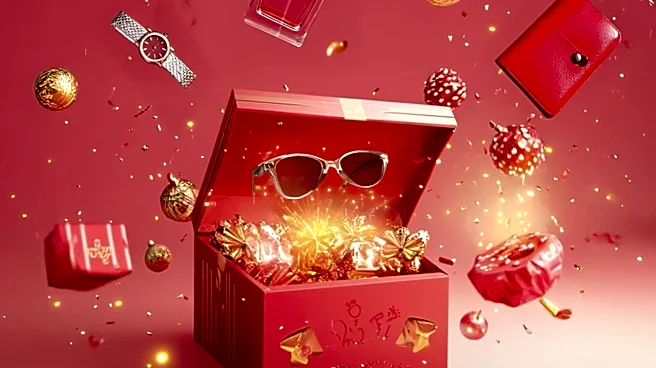
A growing trend on eBay shows influencers and resellers actively buying and selling empty boxes of luxury goods and popular collectibles, often at high prices. There are over 160,000 'empty box' listings on eBay, with some fetching thousands of dollars.
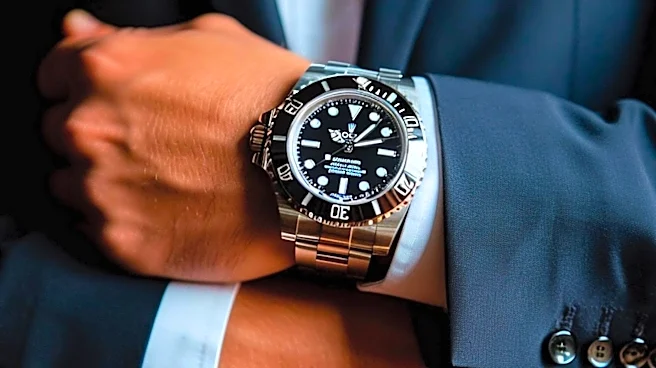
For instance, empty product boxes from franchises like Doctor Who and Star Wars have been listed for $2,500 and up. Luxury brand boxes, such as those for Rolex, Hermes, and Bottega, are also commanding significant sums. This phenomenon is driven by several factors: collectors seeking original packaging to boost the resale value of high-priced items, and influencers using these empty boxes as props for social media content to project an image of luxury and aspiration. Companies' public relations teams also send out 'PR boxes' to influencers, which are then resold to aspiring creators. This market also has a darker side, with counterfeiters acquiring authentic boxes to ship fake products, and sellers engaging in 'empty box scams' by shipping only the box.
Why It's Important?
This trend has several implications for U.S. commerce and society. Economically, it creates a niche market that generates revenue for resellers and provides a cost-effective way for collectors to enhance the value of their items. However, it also highlights the increasing commodification of brand image and perceived luxury, where the packaging itself holds significant monetary and social value. For businesses, it underscores the power of branding and the aspirational appeal of their products, even extending to their empty containers. The use of empty boxes by influencers to create a facade of wealth can contribute to unrealistic consumer expectations and potentially fuel a culture of superficiality. Furthermore, the illicit use of authentic empty boxes by counterfeiters poses a significant threat to brand integrity and consumer trust, leading to potential financial losses for both brands and unsuspecting buyers.
What's Next?
The market for empty luxury boxes is likely to continue growing as social media influence expands and the demand for authentic packaging in the resale market persists. Brands may need to consider strategies to mitigate the misuse of their packaging by counterfeiters, possibly through more secure or traceable packaging designs. Online marketplaces like eBay might face increased pressure to monitor and regulate listings of empty boxes to prevent scams and the facilitation of counterfeiting. Influencers and content creators will likely continue to leverage these items for their aesthetic and aspirational value, further solidifying the trend. Consumers should exercise caution when purchasing high-value items, ensuring they are receiving the actual product and not just the packaging, and be aware of the potential for scams involving empty boxes.
Beyond the Headlines
Beyond the immediate financial transactions, this trend reveals deeper societal values related to status, authenticity, and the performative nature of online identity. The desire to own or display luxury packaging, even without the product, speaks to the powerful psychological impact of brand association and the aspiration for a certain lifestyle. It blurs the lines between genuine ownership and simulated wealth, raising questions about consumer culture and the pursuit of status symbols. The phenomenon also highlights the evolving nature of 'collectibility,' where even ephemeral elements like packaging become valuable artifacts. Ethically, it prompts reflection on the responsibility of influencers to present an authentic image and the role of platforms in policing content that might mislead or deceive audiences about material possessions.