



What's Happening?
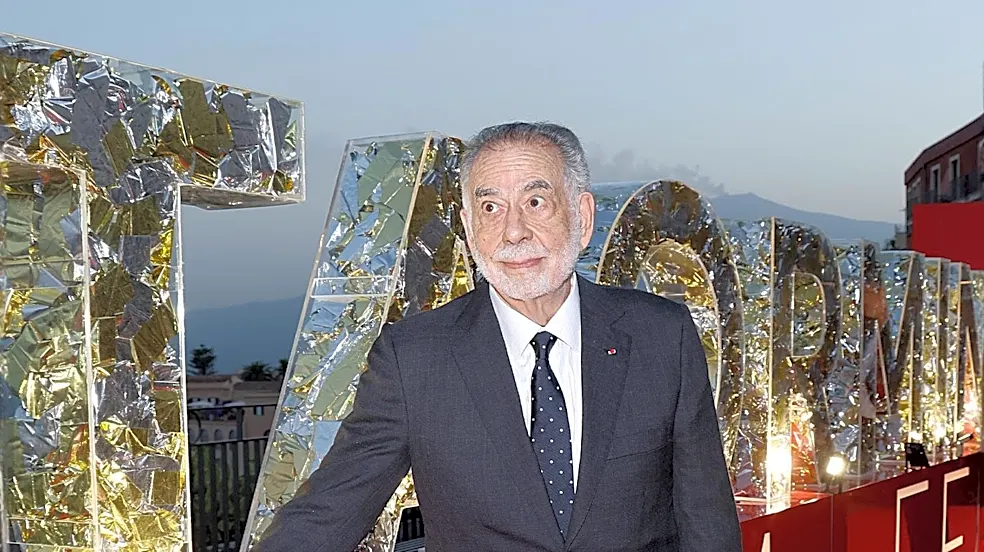
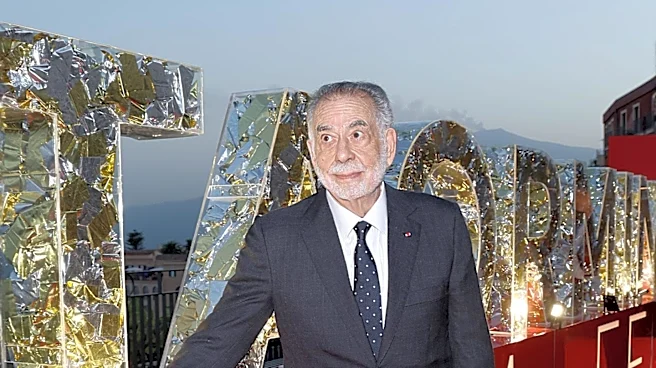
At 87 years old, acclaimed director Francis Ford Coppola has shared insights into the immense pressure he faced while adapting Mario Puzo's novel, 'The Godfather,' into a cinematic masterpiece. To navigate the dramatic construction and mitigate insecurity,
Coppola developed a meticulous working system. This involved creating a personal notebook filled with reflections, doubts, and preliminary images before filming began. This notebook was not merely a summary but contained deep analyses of characters, historical context, visual atmosphere, tone, and thematic axes for each shot. Coppola emphasized the importance of noting first impressions, believing that capturing instinctive responses before cold, rational analysis diluted them was crucial. He would annotate the margins of the book directly, using these notes to identify what resonated strongly, what was confusing, and what passages were not sustainable. This method served as his compass for making operational and creative decisions on set.
Why It's Important?
Coppola's detailed approach to filmmaking, particularly his emphasis on capturing initial impressions and thorough pre-production, offers a significant lesson for aspiring and established creators across various industries. His method demonstrates that even highly experienced professionals face creative challenges and that structured preparation can be vital for success. The creation of 'The Godfather Notebook' highlights the value of deep engagement with source material and the importance of understanding every nuance before translating it to a different medium. This meticulousness not only contributed to the enduring quality of 'The Godfather' films but also set a benchmark for cinematic adaptation. The story underscores that artistic integrity and a robust creative process can lead to groundbreaking achievements, influencing how complex narratives are approached and executed in film and beyond.
What's Next?
Coppola's reflections continue to inspire discussions on filmmaking techniques and creative methodologies. His 'The Godfather Notebook' has been made available for purchase, allowing a wider audience to delve into his creative process. This provides an ongoing resource for film students, directors, and writers seeking to understand the foundational work behind a classic. The enduring legacy of 'The Godfather' films, which include 'The Godfather' (1972) and 'The Godfather Part II' (1974), ensures that Coppola's insights remain relevant. These films are frequently studied in film schools and continue to be streamed on platforms like Paramount+ and Mercado Play, perpetuating their influence on new generations of filmmakers and audiences. Coppola's career, marked by other notable works such as 'Apocalypse Now' and 'The Conversation,' continues to be a subject of academic and popular interest.
Beyond the Headlines
The anecdote about Coppola's 'The Godfather Notebook' reveals a deeper truth about the creative process: the interplay between intuition and rigorous analysis. His insistence on 'always writing down your first impressions' speaks to the ephemeral nature of initial creative sparks and the necessity of preserving them before they are rationalized away. This approach transcends filmmaking, offering a valuable lesson for any field requiring innovative thought. It highlights the ethical dimension of artistic responsibility, where the director felt a profound obligation to the source material and to the dramatic integrity of the story. The success of this method also underscores the cultural impact of a director's vision, demonstrating how one individual's meticulous preparation can shape a cultural touchstone and influence the collective understanding of storytelling for decades.