
What's Happening?
Black Friday 2026 is offering significant price reductions on a wide array of video games across all platforms, with many titles seeing deep cuts. However, major console hardware like the PlayStation 5
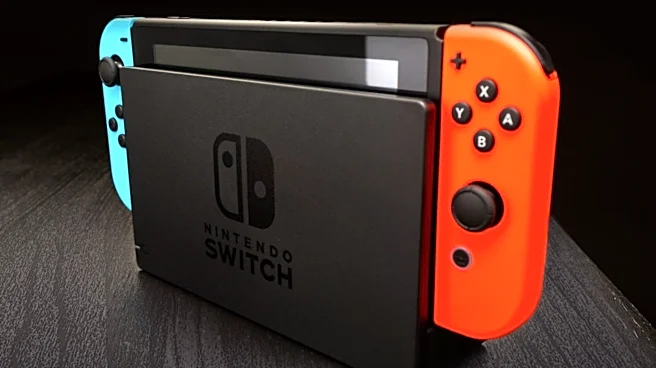
and Nintendo Switch 2 are largely excluded from direct discounts. Sony increased PS5 prices this year, with models ranging from $599 for the Digital Edition to $899 for the PS5 Pro, and is only discounting accessories and games. Similarly, while some Nintendo Switch 2 bundles are available, the console itself is not seeing direct price drops; instead, deals involve purchasing discounted Nintendo eShop gift cards from retailers like Costco to apply towards bundles. Notable game deals include 'Elden Ring' for $15, 'Resident Evil Requiem' for $39.99, and 'WWE 2K26' for $15. Sales are running through various dates, with PlayStation's sale ending November 30 and Xbox's on December 2.
Why It's Important?
This year's Black Friday sales strategy highlights a clear distinction between software and hardware pricing in the gaming industry. The lack of direct console discounts, especially for newer models like the PS5 and Switch 2, indicates strong demand and pricing power for manufacturers. This approach encourages consumers to invest in games and accessories, driving revenue through content sales rather than hardware margins. For consumers, it means a prime opportunity to expand their game libraries at reduced costs, but those looking for a deal on a new console will likely be disappointed. The strategy also reflects current market conditions where supply chain issues or high demand may still be influencing pricing, allowing console makers to maintain premium prices while publishers use sales to boost game sales and clear inventory.
What's Next?
As Black Friday sales conclude, consumers can expect a return to standard pricing for most video games and accessories. The trend of console manufacturers holding firm on hardware prices may continue into the holiday season and beyond, suggesting that significant discounts on current-generation consoles might not be seen until later in their lifecycle. Retailers will likely shift focus to post-holiday sales, which typically offer less aggressive discounts than Black Friday. The industry will monitor sales data from this period to gauge consumer spending habits and inform future pricing and promotional strategies. Gamers who missed out on specific deals will need to wait for future seasonal sales events or publisher-specific promotions.
Beyond the Headlines
The pricing strategy observed this Black Friday reflects a broader economic dynamic within the tech and entertainment sectors. By maintaining high prices on consoles, manufacturers are signaling confidence in their product's value and market position, potentially leveraging brand loyalty and the desire for cutting-edge technology. This also shifts the financial burden of discounts onto game publishers and retailers, who use sales to drive volume and engagement. The reliance on gift card bundles for console deals, rather than direct price cuts, is a subtle way to stimulate sales while preserving the perceived value of the hardware. This approach could also be a response to inflationary pressures or increased production costs, allowing companies to absorb some of these costs without directly impacting the console's MSRP, while still offering perceived value to consumers through bundled content.