







What's Happening?
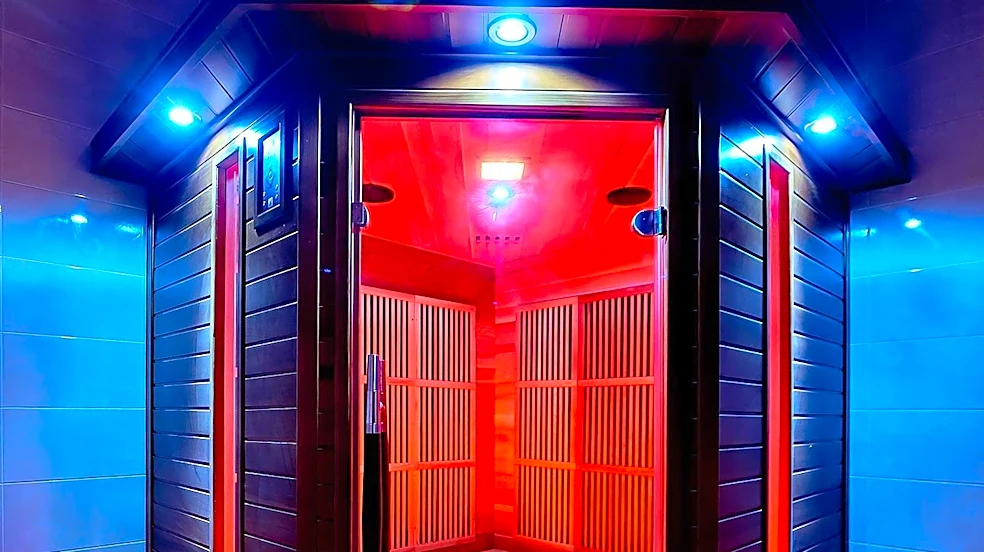
SaunaCloud, a custom infrared sauna manufacturer founded in 2014 by Christopher Kiggins, has provided insights into the lifespan and maintenance of infrared saunas. The company, which has completed over 3,000 installations across North America, emphasizes
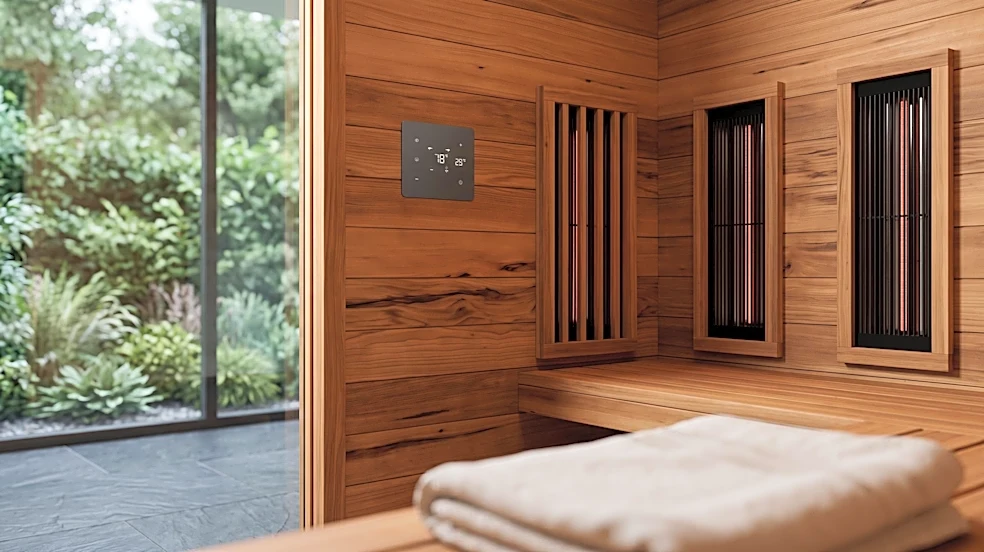
that the overall lifespan of an infrared sauna, typically ranging from 10 to 20 years for home use, depends on individual replaceable parts rather than a single expiration date. Key components like the wooden cabinet can last 15 to 25 years, or even 30 to 40 years, while heavy steel heater bodies are expected to last 20 to 30 years. However, heating elements are considered consumables, lasting 5 to 15 years in residential settings and 2 to 5 years in commercial use. Temperature sensors and data cables, prone to thermal stress and corrosion, typically last 5 to 10 years. SaunaCloud highlights that issues like slow heating or unresponsiveness are often due to a single failed component, such as a sensor or data cable, rather than the entire unit.
Why It's Important?
Understanding the longevity and maintenance requirements of infrared saunas is crucial for consumers and businesses investing in these wellness products. The detailed breakdown provided by SaunaCloud helps manage expectations regarding product durability and potential repair costs. For homeowners, knowing that individual components are replaceable can lead to more cost-effective repairs rather than full unit replacements, extending the value of their investment. For commercial establishments, anticipating the shorter lifespan of heating elements in high-usage environments allows for better budgeting and maintenance scheduling, minimizing downtime. The distinction between durable structural components and consumable electrical parts also informs purchasing decisions, encouraging buyers to consider the quality and reparability of each element. This information can also influence manufacturers to design more modular and repair-friendly sauna systems, benefiting the broader market.
What's Next?
Consumers and businesses considering or owning infrared saunas can use this information to make informed decisions about maintenance and potential repairs. SaunaCloud advises that repairing an old infrared sauna is often worthwhile if the unit is under 15 years old, the cabinet is structurally sound, and only a single component has failed, with repair costs being less than half the price of a new unit. For instance, replacing a $30 temperature sensor or an $80 heating element is significantly more economical than purchasing a new sauna. However, if a sauna is over 15 years old with recurring failures, full replacement might be more practical. The company also recommends annual professional inspections to identify wearing parts before they fail. DIY repairs are possible for low-voltage components like sensors and data cables, but any work on 240V circuits should be handled by a licensed electrician to ensure safety and maintain warranties.
Beyond the Headlines
The detailed analysis of infrared sauna components and their lifespans by SaunaCloud underscores a broader trend in consumer goods: the shift towards understanding product longevity through the lens of individual, replaceable parts rather than a single 'expiration date' for the entire product. This perspective promotes a more sustainable approach to consumption, encouraging repair over immediate replacement. It also highlights the importance of manufacturer transparency regarding component quality and expected wear, which can empower consumers to make more informed choices. The emphasis on specific heater types—carbon, ceramic, and halogen—and their operational temperatures and wavelengths also reveals the technical nuances behind marketing terms like 'full spectrum,' pushing for a more educated consumer base that can differentiate between genuine technological advancements and mere branding. This detailed breakdown contributes to a more mature market where product performance and durability are evaluated on a granular level.