




What's Happening?
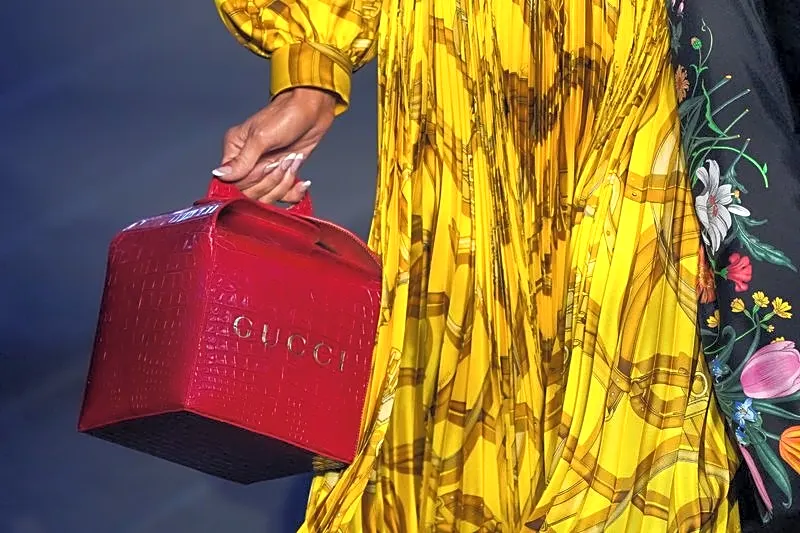
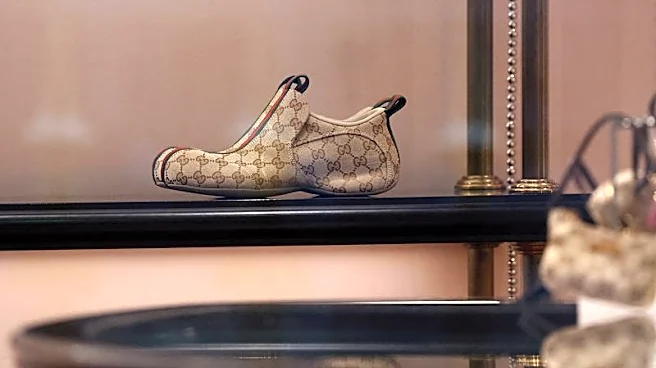
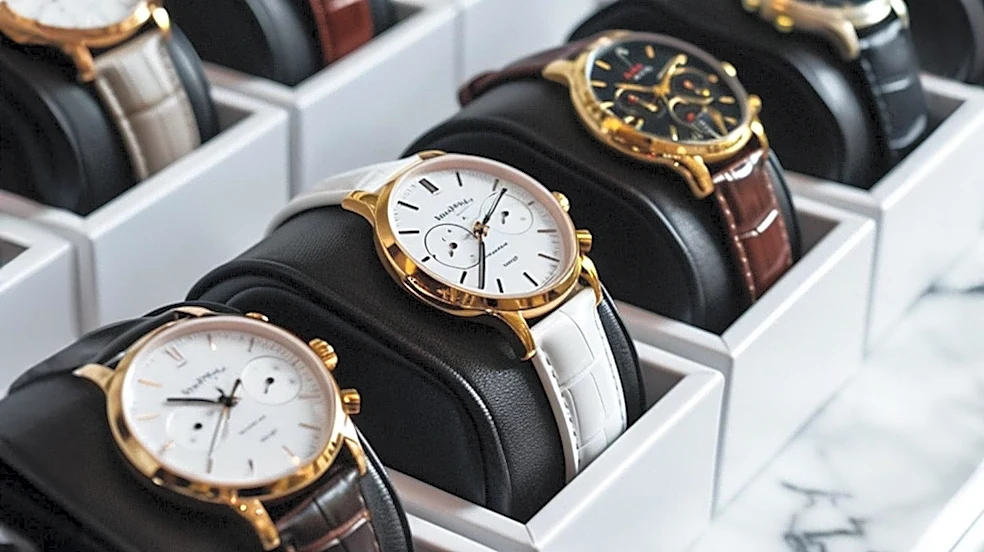
The Chinese luxury market is experiencing a significant shift, with consumers, particularly younger shoppers, moving away from overt displays of wealth and prominent logos towards 'quiet luxury.' This trend emphasizes craftsmanship, quality, and understated
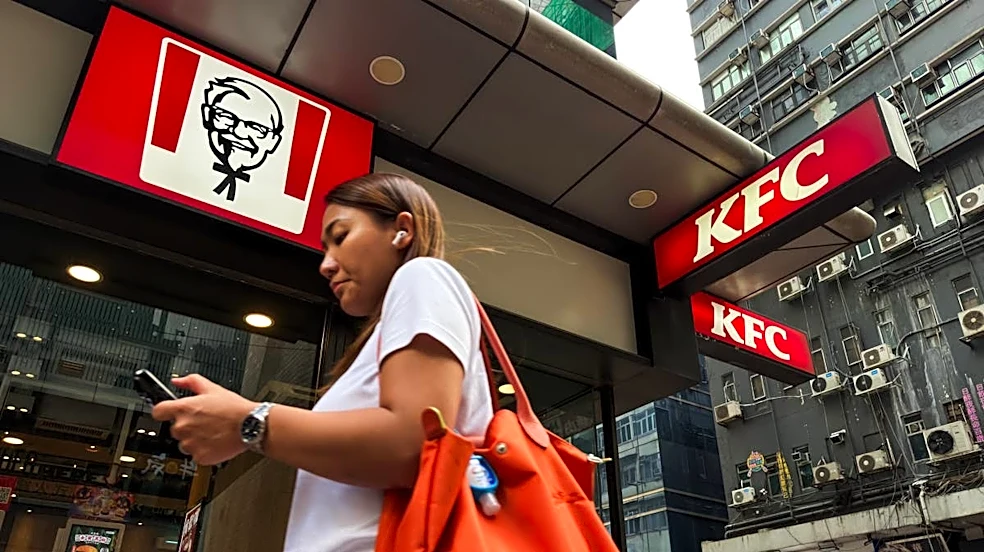
products. This change is occurring amidst a broader economic downturn in China, which has led consumers to become more selective with their discretionary spending. Instead of highly visible luxury purchases, many are prioritizing experiences such as travel and dining. Major luxury brands like Hermes and Cartier are feeling the impact, reporting double-digit sales declines in mainland China. This downturn is a notable development, as these brands were previously considered more resilient to economic fluctuations. The slump was evident during China’s Golden Week holiday, and some executives fear it could persist until 2027, with little indication of a meaningful recovery in demand.
Why It's Important?
This shift in the Chinese luxury market holds significant implications for global luxury brands and the broader U.S. and international retail sectors. China has long been a crucial growth engine for luxury goods, and a sustained downturn or fundamental change in consumer behavior there can impact the revenues and strategies of multinational corporations. U.S. luxury retailers and brands, many of whom have a substantial presence or rely on Chinese consumer spending, may need to re-evaluate their product offerings, marketing strategies, and supply chains to align with the 'quiet luxury' trend. The move towards experiences over material goods also suggests a broader cultural and economic re-prioritization among affluent Chinese consumers, which could influence investment decisions and market forecasts for various industries. The pressure on private wealth due to Beijing's scrutiny of offshore assets and a cooling AI stock rally further exacerbates the situation, challenging the long-held belief that the wealthiest clients are recession-proof.
What's Next?
Luxury brands are likely to continue adapting their strategies to cater to the 'quiet luxury' trend, focusing on subtle branding, superior quality, and exclusive experiences rather than overt status symbols. Companies may also increase their investment in other regions or diversify their product portfolios to mitigate risks associated with the Chinese market's slowdown. Analysts suggest that while headline numbers might show some improvement in 2027 due to easier comparisons after a steep downturn, this may not signify a genuine recovery in demand. The underlying structural issues, such as the aspirational middle class moving away from luxury and wealthier consumers becoming more cautious, are not expected to change quickly. This implies a prolonged period of adjustment for the luxury sector, with brands needing to innovate and differentiate themselves beyond traditional marketing approaches to attract and retain discerning consumers.
Beyond the Headlines
The rise of 'quiet luxury' in China reflects deeper societal and economic transformations. Ethically, it could signal a move away from conspicuous consumption, potentially aligning with broader global trends towards sustainability and mindful spending. Culturally, it might indicate a maturing luxury market where consumers seek intrinsic value and personal expression over external validation. This shift could also have long-term implications for brand identity and marketing, pushing companies to emphasize heritage, craftsmanship, and bespoke services rather than celebrity endorsements or flashy campaigns. The economic context, including the property market slump and wider slowdown, suggests a re-evaluation of financial priorities among Chinese consumers, potentially leading to a more stable and less volatile luxury market in the long run, albeit with different characteristics than previously observed. This evolution could inspire similar trends in other emerging markets as well.