


What's Happening?
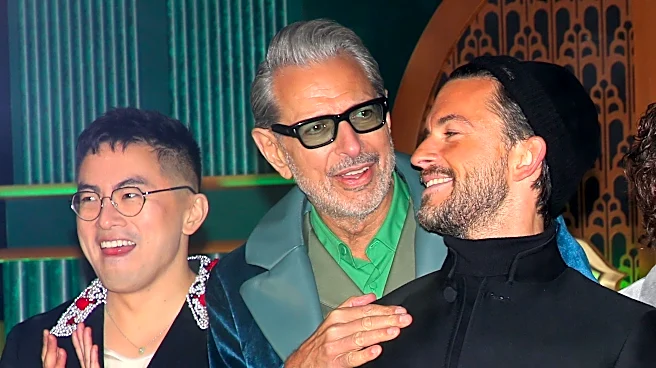
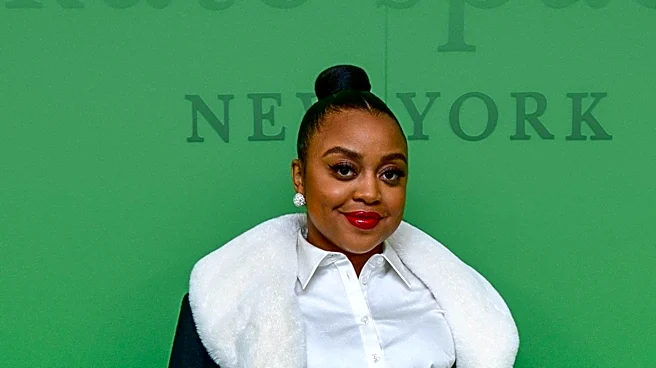
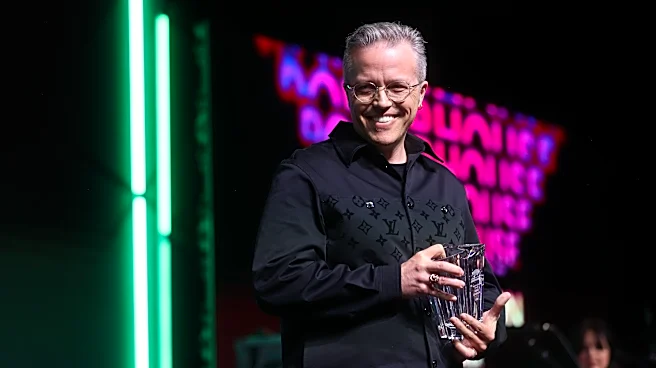
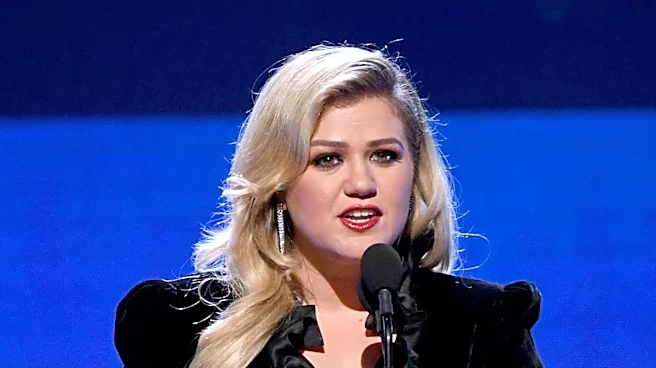
Kelly Clarkson recently shared her views on artificial intelligence in the music industry during an appearance on the podcast 'Las Culturistas,' hosted by Matt Rogers and Bowen Yang. Clarkson expressed her appreciation for AI as a technology but voiced
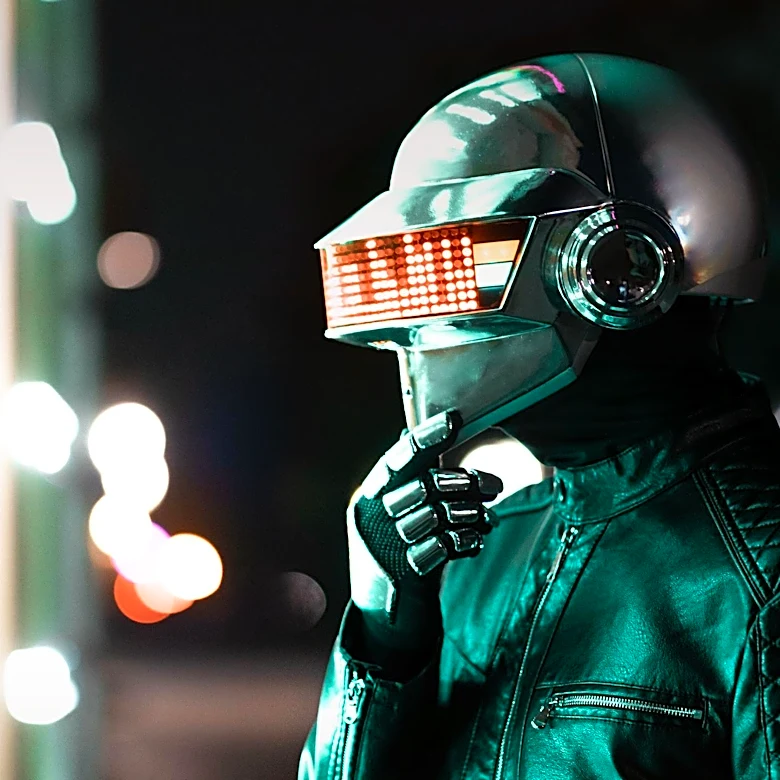
concerns about AI-generated artists competing with human artists on music charts. This discussion highlights a growing debate within the entertainment industry regarding the role and impact of AI on creative fields. The podcast episode touched upon the broader implications of AI, a term that has been in use since 1955, coined by computer scientist John McCarthy. The conversation reflects ongoing public discourse about AI's capabilities and ethical considerations, particularly in areas where human creativity is traditionally valued. The hosts, Matt Rogers and Bowen Yang, are known for their pop culture commentary, making their platform a relevant venue for such discussions.
Why It's Important?
This conversation is important because it brings a mainstream artist's perspective to the complex issue of AI in music, influencing public perception and potentially shaping industry standards. Kelly Clarkson's stance, while acknowledging AI's technological advancements, underscores a common concern among artists: the potential devaluation of human artistry and fair competition. If AI-generated music gains significant traction on charts, it could alter revenue streams, intellectual property rights, and the very definition of what constitutes an 'artist.' This discussion contributes to the ongoing dialogue about how to integrate AI responsibly into creative industries without undermining human talent. It also signals to technology developers and music executives the need for clear guidelines and ethical frameworks to ensure a balanced ecosystem where both innovation and human creativity can thrive.
What's Next?
The ongoing debate about AI in music is likely to intensify, leading to further discussions among artists, record labels, technology companies, and policymakers. We can anticipate more artists sharing their opinions, potentially forming advocacy groups to address concerns about AI's impact on their livelihoods and creative control. Industry bodies may begin to explore new regulations or guidelines for AI-generated content, particularly concerning chart eligibility and intellectual property. Technology companies developing AI music tools might face pressure to implement features that distinguish AI-generated content from human-created works or to develop compensation models that protect human artists. This could also spur innovation in AI tools that serve as creative aids rather than replacements for human artists, fostering collaboration between technology and human talent.
Beyond the Headlines
The discussion on 'Las Culturistas' delves into deeper ethical and philosophical questions about the nature of art and creativity in the age of artificial intelligence. If AI can produce music indistinguishable from human compositions, it challenges traditional notions of authorship, originality, and emotional expression in art. This raises questions about whether the value of art lies solely in its aesthetic appeal or also in the human experience and intention behind its creation. Legally, the issue of copyright for AI-generated works remains largely unresolved, posing significant challenges for intellectual property law. Culturally, the widespread adoption of AI in music could lead to a shift in how audiences perceive and consume music, potentially altering the relationship between listeners and creators. This evolving landscape necessitates a re-evaluation of what it means to be a creative in a technologically advanced world.