
What's Happening?
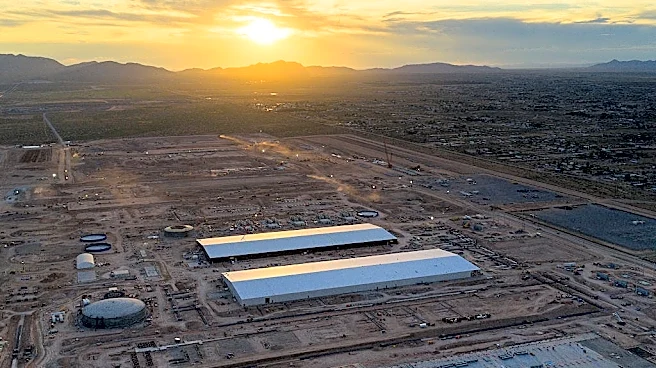
Missoula County has commenced a study to evaluate the potential impacts and necessary regulations for data centers, following a temporary moratorium on new and expanded facilities. The moratorium, enacted
in early July after a data center sought approval, mandates the county to initiate such a study within 30 days. Svein Newman, the county's climate action program manager, confirmed that the study began the day after the moratorium's adoption and is well underway. The temporary moratorium is set to last one year, providing the county until next July to implement long-term zoning, with the possibility of a one-year extension. The study's objective is to verify the emergency declared by the county, identify significant challenges, and propose various solutions. Newman indicated that the study would address a wide array of impacts, including noise, air quality, and water usage, with at least 10 potential impacts already identified.
Why It's Important?
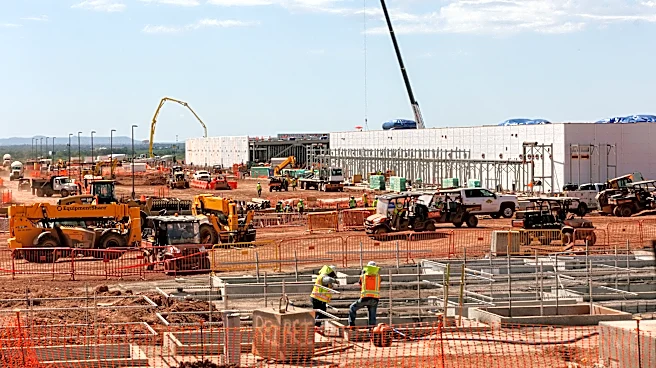
This study is critical for Missoula County as it navigates the complex implications of rapid technological development and its environmental footprint. Data centers, while essential for the digital economy, are known for their substantial energy consumption, water usage for cooling, and potential for noise and air pollution from backup diesel generators. The county's proactive approach, through a moratorium and subsequent study, demonstrates a commitment to sustainable growth and protecting local resources. This initiative could set a precedent for how other communities manage the expansion of data infrastructure, balancing economic development with environmental preservation. The findings will inform future zoning laws and regulatory frameworks, potentially influencing the operational standards for data centers within the county and beyond. The involvement of the Missoula County Health Department in addressing issues like air and water quality underscores the public health dimension of this technological expansion.
What's Next?
The county aims to complete a draft of the impact study within the next eight weeks, with the draft expected to be presented to the Land Use Board and commissioners in November. This timeline is designed to allow ample time for the regulatory phase before the moratorium expires next July. County planner Jenny Dixon noted that the state's regulatory environment could influence the county's remedies, with several bill requests concerning data centers, including a potential 'right to compute' law, already in consideration by the Legislature. Commissioner Josh Slotnick highlighted that the county will rely on the health department to address issues such as the significant air impact from backup diesel generation. The county's approach will involve an impact assessment phase followed by a regulatory phase, with the possibility of seeking another one-year extension for the moratorium if needed.
Beyond the Headlines
The Missoula County's study on data center impacts delves into the broader societal challenge of reconciling technological advancement with environmental sustainability. The debate over 'right to compute' laws versus local environmental regulations highlights a growing tension between state-level economic development priorities and local communities' desires to control their environmental destiny. This situation reflects a national conversation about the unacknowledged costs of the digital age, particularly concerning energy consumption and resource depletion. The county's efforts to quantify and regulate these impacts could contribute to a more holistic understanding of the true cost of data infrastructure. It also raises ethical questions about who bears the environmental burden of global digital services and how local governments can effectively assert control over industries with far-reaching implications, potentially influencing national policy discussions on sustainable technology development.