









What's Happening?
Former Disney CEO Bob Iger disclosed his ambitious plans to expand Disney's portfolio, which included potential acquisitions of Twitter and the James Bond franchise, as well as a merger with Apple. Iger, who led Disney from 2005 to 2020 and returned briefly
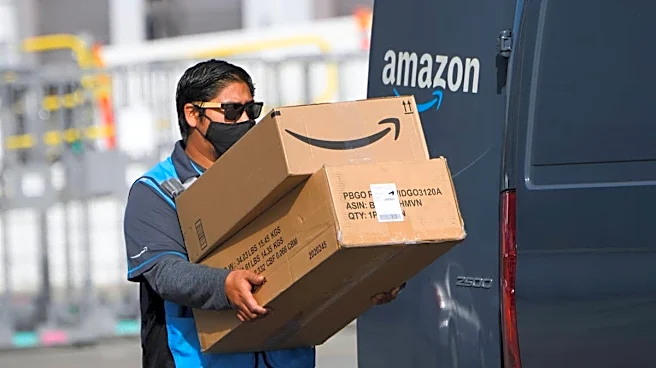
in 2022, was instrumental in acquiring major companies like Pixar, Marvel, and Lucasfilm. His vision extended to using Twitter as a global distribution platform for Disney content, but he ultimately decided against the acquisition, fearing it would be a distraction. The plan to acquire James Bond did not materialize, as Amazon eventually took control of the franchise. Discussions about a merger with Apple were also considered but did not progress significantly.
Why It's Important?
Iger's revelations highlight the strategic thinking behind Disney's expansion efforts and the company's influence in the entertainment industry. The potential acquisition of Twitter could have significantly altered the landscape of social media and content distribution, impacting how audiences engage with Disney's vast array of intellectual properties. Similarly, acquiring the James Bond franchise would have expanded Disney's film portfolio, potentially leading to new creative directions for the iconic series. These insights into Disney's strategic considerations provide a glimpse into the competitive nature of the entertainment industry and the importance of strategic acquisitions in maintaining market dominance.
What's Next?
With Iger's departure and the appointment of Josh D'Amaro as CEO, Disney's future acquisition strategies remain to be seen. The company may continue to explore opportunities to expand its portfolio, focusing on strategic partnerships and acquisitions that align with its long-term goals. The entertainment industry will likely watch Disney's moves closely, as its decisions can influence market trends and competitive dynamics. Additionally, the potential for future mergers or acquisitions involving major tech companies like Apple could reshape the industry, prompting other media conglomerates to consider similar strategies.