




What's Happening?
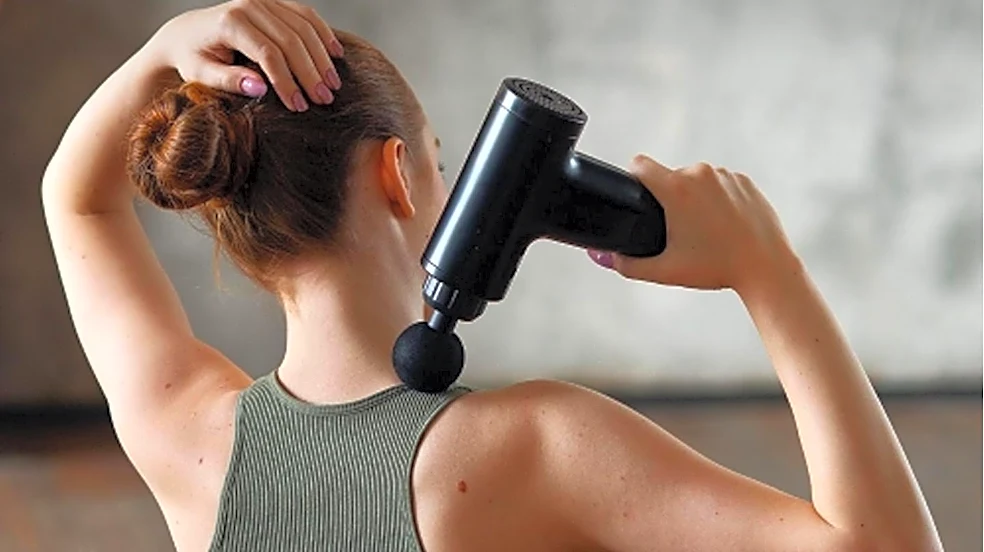
Therabody, a wellness technology company, is emphasizing the role of massage guns, particularly its Theragun Mini Plus, in enhancing strength training recovery. The company's blog details how professional athletes, such as NFL Quarterback Josh Allen,
integrate these devices into their rigorous training and recovery schedules. The Theragun Mini Plus is highlighted for its portability and dual features of heat and percussive therapy, making it suitable for use in various settings, including during travel. The article explains that using massage guns before workouts can activate muscles and reduce injury risk, while post-session use accelerates tissue recovery. It also suggests that consistent, short maintenance sessions with portable devices can prevent soreness and stiffness, which are common barriers to consistent training. The company advocates for treating activation and recovery as integral parts of a training regimen, not as afterthoughts, to ensure continuous progress and minimize the impact of factors like delayed-onset muscle soreness (DOMS) and joint strain.
Why It's Important?
The promotion of massage guns for athletic recovery by companies like Therabody signifies a growing trend in the U.S. fitness and wellness industry towards technology-driven solutions for performance enhancement and injury prevention. This trend impacts consumers by offering accessible tools that were once primarily used by professional athletes, potentially democratizing advanced recovery techniques. For the sports and fitness industry, it represents a significant market opportunity for manufacturers and retailers of percussive therapy devices. The emphasis on portability and multi-functionality, as seen with the Theragun Mini Plus, addresses the needs of individuals with busy lifestyles or those who travel frequently, expanding the potential user base beyond dedicated athletes. Furthermore, the integration of such devices into recovery protocols could lead to a reduction in training-related injuries and an increase in overall athletic longevity, benefiting both individual users and sports organizations by maintaining athlete health and performance.
What's Next?
As companies like Therabody continue to innovate and market their recovery devices, the U.S. fitness landscape is likely to see further integration of percussive therapy into mainstream training and wellness routines. Expect to see more fitness professionals and trainers incorporating massage guns into their clients' programs, potentially leading to increased demand and wider adoption. Research into the efficacy of these devices will also likely continue, providing more data to support their benefits and refine usage protocols. The competitive market may drive further advancements in portability, battery life, and specialized attachments, catering to a broader range of athletic and recovery needs. Additionally, the success of these products could inspire other wellness technology companies to develop complementary or alternative recovery solutions, fostering a dynamic and evolving market for personal athletic care.
Beyond the Headlines
The widespread adoption of personal recovery tools like massage guns reflects a broader cultural shift in the U.S. towards proactive self-care and personalized wellness. This trend moves beyond traditional reactive approaches to injury and soreness, empowering individuals to take a more active role in their physical well-being. It also highlights the increasing influence of professional sports and athlete endorsements on consumer behavior, as individuals seek to emulate the routines of high-performing figures like Josh Allen. Ethically, the marketing of these devices raises questions about accessibility and equity, as advanced recovery tools may not be affordable for all, potentially creating a divide in wellness opportunities. Long-term, this focus on technology-assisted recovery could reshape how physical education, personal training, and even healthcare approach muscle maintenance and injury rehabilitation, emphasizing preventative measures and continuous physical optimization.