





What's Happening?
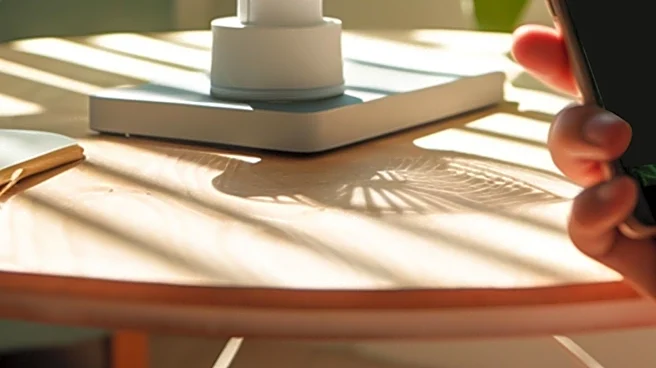
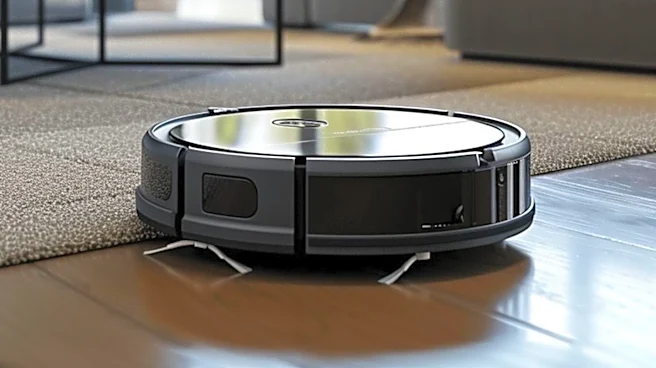
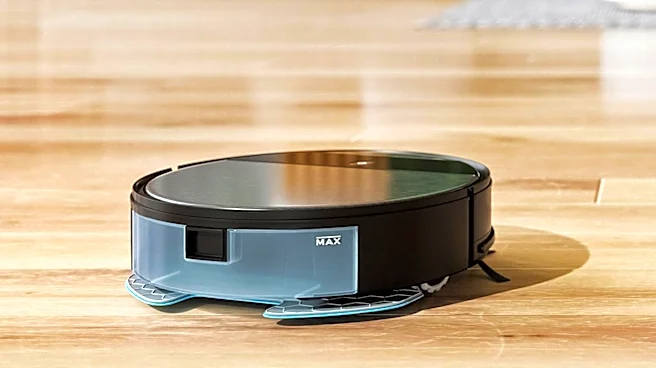
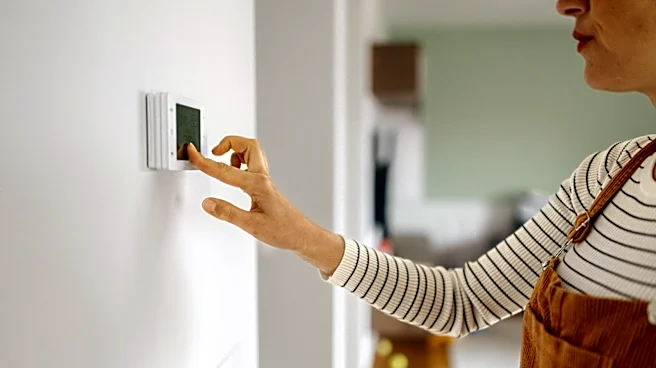
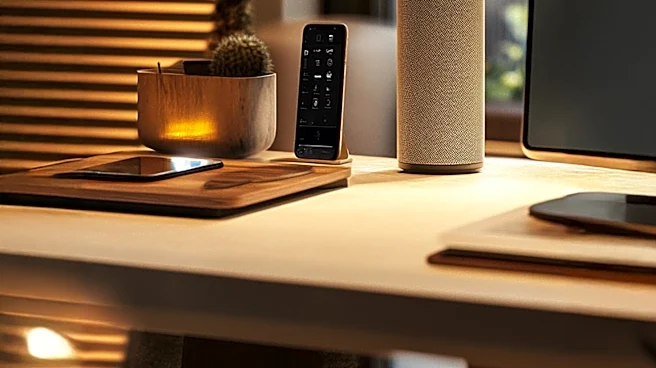
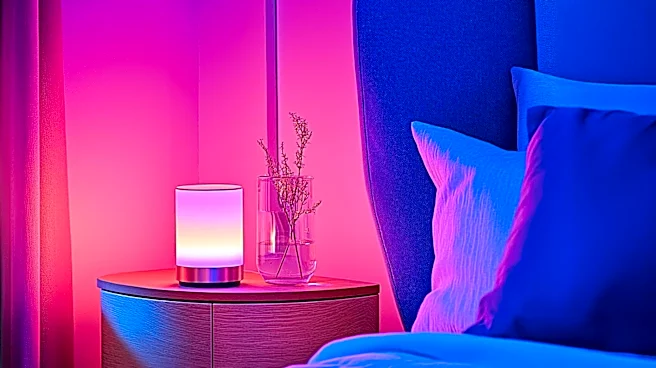
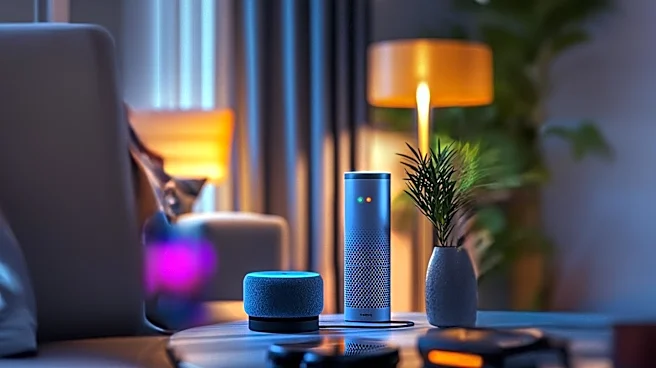
Smart home devices, while offering convenience and automation, are contributing to higher electric bills due to their constant power consumption. These devices, such as smart speakers, displays, and streaming devices, often remain in standby mode, drawing
power continuously. This phenomenon, known as 'phantom load' or 'vampire power,' can significantly increase energy costs over time. The article provides several tips to mitigate these expenses, such as disabling unused features, using smart plugs, and scheduling power-downs for devices not in use. The cumulative effect of these always-on gadgets is a notable factor in rising utility bills, especially with increasing energy costs.
Why It's Important?
The rising cost of energy and the increasing prevalence of smart home technology make this issue particularly relevant. As more households adopt smart devices, understanding their impact on energy consumption becomes crucial. The financial implications are significant, as even small, continuous power draws can add up to substantial costs over time. This issue affects a wide range of stakeholders, from individual consumers looking to reduce their bills to energy companies and policymakers focused on energy efficiency. By addressing these 'phantom loads,' consumers can achieve cost savings without sacrificing the convenience of smart technology.
What's Next?
Consumers are likely to become more aware of the energy consumption of their smart devices and may seek more energy-efficient alternatives. Manufacturers might respond by developing devices with lower standby power requirements or more efficient energy-saving modes. Additionally, there could be increased demand for smart power strips and other energy management solutions. Policymakers might also consider regulations or incentives to encourage the production and use of energy-efficient smart home technologies.