



What's Happening?
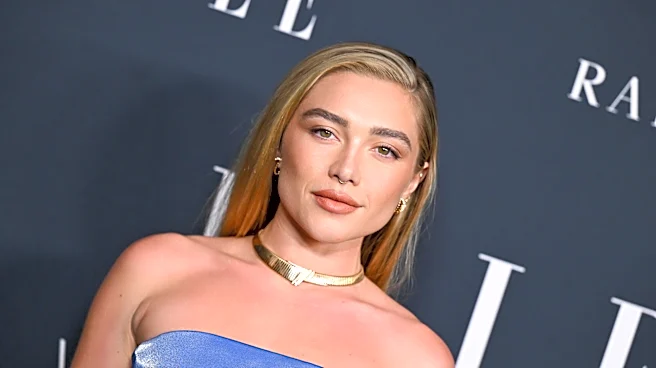
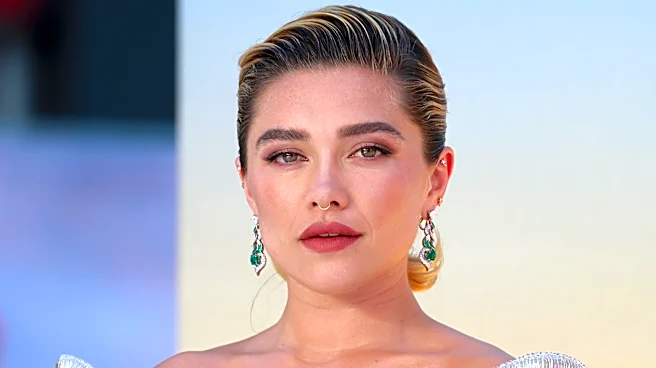
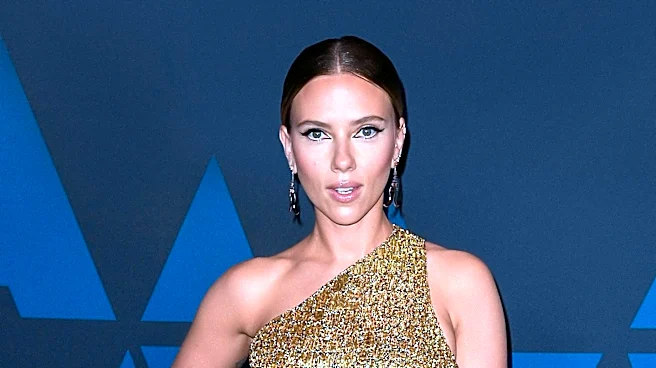
Actress Florence Pugh has publicly responded to recent online speculation regarding her appearance, specifically claims that she has undergone plastic surgery. Following her attendance at an Elle's Women event in Hollywood, some fans and online commentators
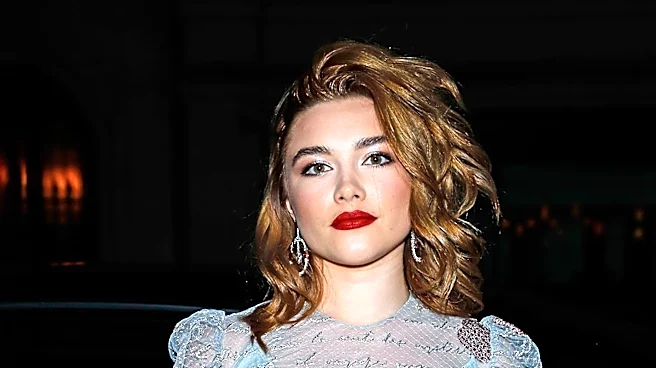
suggested that her facial features, particularly her jawline and cheeks, appeared more defined than in previous years. Comparisons were drawn between her recent photos and those from the 2024 Oscars red carpet, with some attributing the perceived changes to procedures like buccal fat removal. Evie magazine also noted comments about her jaw appearing 'more defined' and her chin 'pointier.' In response, Pugh, who recently turned 30, dismissed the rumors, stating that 'faces change' with age. She expressed concern that people are unable to distinguish between natural aging and surgical alterations, adding, 'Sadly puppy fluff doesn't last forever.' Pugh has previously spoken about the intense scrutiny women face regarding their appearance in the entertainment industry, emphasizing that she feels she does her best work when she embraces a less polished look.
Why It's Important?
This incident highlights the pervasive pressure on women in Hollywood to maintain a certain aesthetic and the intense public scrutiny they face regarding their appearance. The rapid spread of plastic surgery rumors underscores a broader societal obsession with youth and perceived perfection, often fueled by social media and celebrity culture. Pugh's response challenges these unrealistic expectations by normalizing the natural aging process and advocating for acceptance of bodily changes. Her comments also draw attention to the 'disturbing' trend of misinterpreting natural aging as surgical intervention, which can contribute to body image issues and self-esteem struggles among individuals, both within and outside the entertainment industry. This situation reflects a larger conversation about authenticity, self-acceptance, and the impact of media portrayals on beauty standards, particularly for women in the public eye.
What's Next?
While Florence Pugh has directly addressed and dismissed the plastic surgery rumors, the broader conversation around celebrity appearances and aging in Hollywood is likely to continue. Her stance may encourage other public figures to speak out against unrealistic beauty standards and promote a more accepting view of natural changes over time. However, the nature of social media and celebrity culture suggests that such speculation may persist for other actresses. This event could also spark further discussions within the entertainment industry about the pressures placed on female performers and the need for more diverse and realistic portrayals of women at different life stages. Pugh's comments contribute to a growing movement advocating for body positivity and challenging the often-unspoken demands for perpetual youthfulness in the public sphere.
Beyond the Headlines
Beyond the immediate celebrity gossip, this situation delves into deeper societal implications regarding beauty standards and the perception of aging, particularly for women. The inability of some to differentiate between natural aging and cosmetic procedures points to a cultural disconnect from the realities of the human body's evolution. This phenomenon is exacerbated by the curated images prevalent on social media and in mainstream media, which often present an idealized and often surgically enhanced version of reality. Pugh's experience underscores the ethical dilemma of public commentary on individuals' physical appearances, highlighting how such scrutiny can contribute to a culture of judgment and insecurity. Her assertion that 'faces change' serves as a powerful reminder of the natural process of life and challenges the notion that any deviation from a youthful ideal is a flaw to be corrected, rather than a natural progression. This incident contributes to the ongoing dialogue about media literacy, critical thinking regarding visual information, and the importance of fostering a more inclusive and accepting view of human diversity in appearance.