




What's Happening?
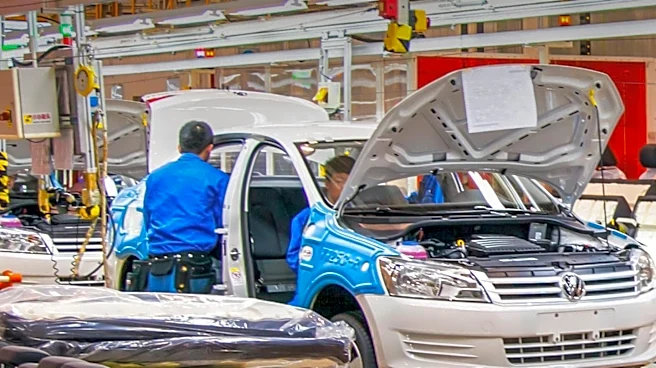
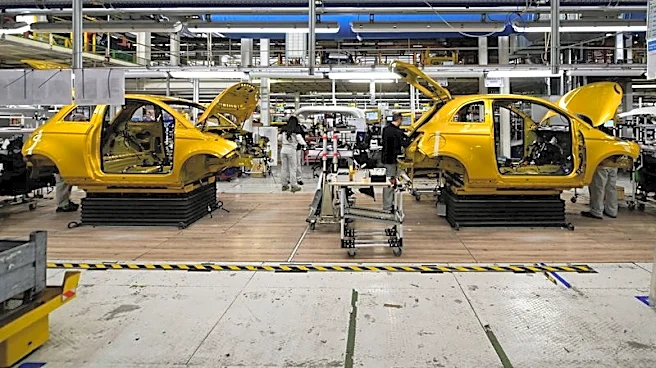
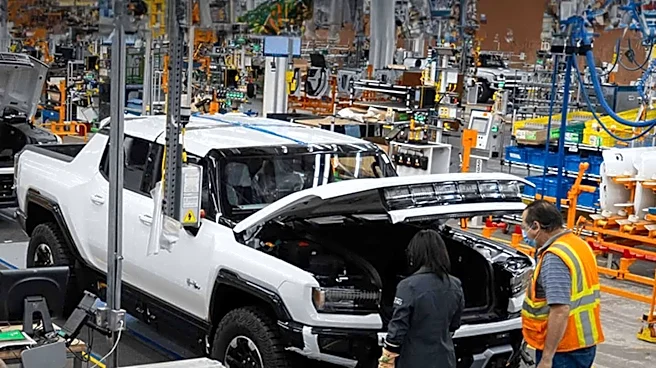
Stellantis, a major automotive manufacturer, is confronting significant operational challenges in its European facilities, particularly in Italy. Emanuele Cappellano, Stellantis's European chief, has highlighted that escalating costs and intensified competition
are making vehicle production in Italy increasingly difficult. Despite these challenges, Stellantis is committed to investing over €5 billion ($5.5 billion) in research and development. The company is urging closer collaboration among the industry, the Italian government, and local authorities to address these economic pressures and maintain viable production levels. This situation underscores a broader trend of rising operational expenses and a competitive landscape that is impacting automotive manufacturing across the continent.
Why It's Important?
The difficulties faced by Stellantis in Italy are indicative of wider economic pressures impacting the European automotive sector, which has significant implications for global supply chains and the U.S. market. As a major player, Stellantis's struggles with rising costs and competition could lead to shifts in production strategies, potentially affecting vehicle availability and pricing in the U.S. The call for government and local authority cooperation highlights the critical role of public-private partnerships in sustaining industrial output and employment. If these issues are not effectively managed, they could lead to reduced investment in European facilities, impacting innovation and the overall competitiveness of the automotive industry against rivals, including those from China. This situation could also influence the strategic decisions of other multinational automakers with operations in Europe.
What's Next?
Stellantis is expected to continue discussions with the Italian government and local authorities to find solutions for mitigating rising production costs and enhancing competitiveness. The company's €5 billion investment in research and development suggests a long-term commitment to innovation, which may include exploring new manufacturing efficiencies or technologies to offset current economic pressures. Future actions could involve policy adjustments from the Italian government aimed at supporting the automotive industry, such as tax incentives or regulatory relief. The outcome of these collaborations will likely determine the future operational footprint of Stellantis in Italy and could set a precedent for how other European nations address similar challenges within their manufacturing sectors.
Beyond the Headlines
The situation at Stellantis reflects a broader economic tension between maintaining industrial capacity in high-cost regions and the global drive for efficiency and competitiveness. The increasing competition, particularly from Chinese automakers, is forcing established manufacturers to re-evaluate their production models and cost structures. This could accelerate the adoption of advanced manufacturing techniques, automation, and potentially lead to strategic partnerships or consolidations within the industry. Furthermore, the emphasis on government cooperation highlights the growing recognition that industrial policy plays a crucial role in supporting key economic sectors. The long-term implications could include a restructuring of the European automotive landscape, with a greater focus on specialized, high-value production or a shift towards more cost-effective manufacturing locations, impacting employment and economic stability in traditional automotive hubs.