









What's Happening?
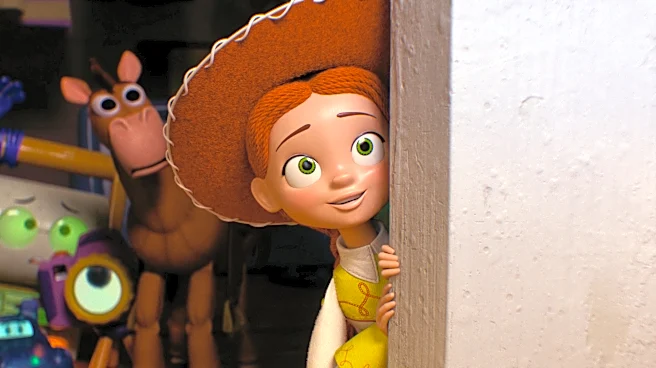
Pixar has released 'Toy Story 5,' continuing the beloved franchise that began 31 years ago. The film brings back iconic characters like Woody, Buzz, and Jessie, exploring themes of abandonment and emotional depth. Set in a world where children increasingly
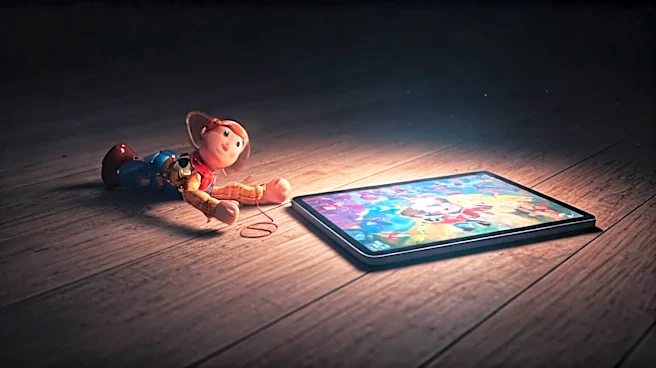
prefer screens over traditional toys, the movie delves into the impact of digital devices on childhood imagination and social interactions. Directed by Andrew Stanton and McKenna Harris, the film maintains the series' tradition of humor and emotional storytelling, with a reported budget of $250 million. It addresses the balance between digital and traditional play, highlighting the importance of imagination and personal connections.
Why It's Important?
'Toy Story 5' is significant as it reflects on the evolving nature of childhood in the digital age. By addressing the shift from physical toys to digital devices, the film comments on broader societal changes affecting children's development and social skills. The movie's exploration of these themes resonates with both young audiences and adults, offering a narrative that encourages a balance between technology and traditional play. This continuation of the franchise underscores Pixar's ability to remain relevant and impactful, both culturally and economically, as it navigates the challenges of modern storytelling.
What's Next?
As 'Toy Story 5' hits theaters, it is likely to spark discussions about the role of technology in childhood development. The film may influence parents and educators to reconsider the balance between screen time and traditional play. Additionally, Pixar's approach to blending nostalgia with contemporary issues could set a precedent for future animated films. The success of this installment may lead to further sequels or spin-offs, as the franchise continues to explore new narratives and character developments.
Beyond the Headlines
Beyond its immediate storyline, 'Toy Story 5' raises questions about the long-term effects of digital engagement on children's emotional and social growth. The film's portrayal of toys as symbols of human relationships highlights the enduring value of personal connections in an increasingly digital world. This narrative could influence cultural perceptions of technology's role in childhood, potentially impacting future media and educational content aimed at young audiences.