

What's Happening?
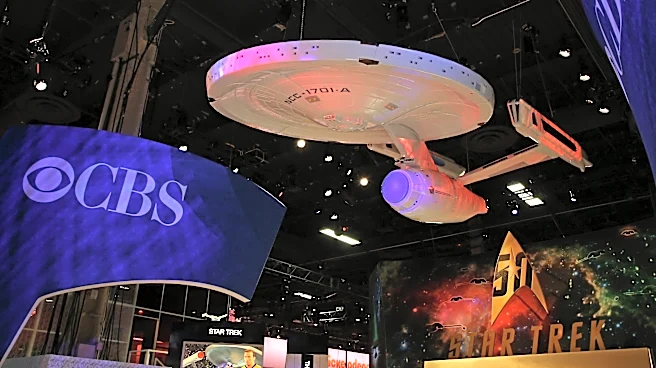
William Shatner, the actor renowned for his role as Captain James T. Kirk in 'Star Trek,' has publicly condemned a fraudulent crypto token named Quatloos ($QUATS). This token, falsely claiming to be associated with Shatner and his charity, the Hollywood
Charity Horse Show, was promoted through a fake press release by Blockzeit in July. The release included a fabricated quote from Shatner about technological evolution. Shatner explicitly stated he did not authorize the token and labeled the initiative as a "scam" and "despicable." He has since called out the memecoin platform Pump Fun, where these scam tokens are reportedly prevalent, and is attempting to contact its management team and founders, Alon Cohen and Sapijiju. Shatner also highlighted that the Quatloos name is copyrighted by Skydance, a media conglomerate. His charity's CFO also rejected a donation from Donate.gg, a crypto-based charity that collaborated with Pump Fun on charity coins, citing fraud.
Why It's Important?
This incident underscores the growing concerns surrounding cryptocurrency scams and the unauthorized use of celebrity names and intellectual property within the digital asset space. For consumers, it highlights the risks of investing in unverified tokens and the importance of due diligence, as fraudulent schemes can lead to significant financial losses. For celebrities and public figures, it demonstrates the challenges of protecting their image and brand from exploitation in the rapidly evolving crypto market. The involvement of platforms like Pump Fun in hosting such tokens raises questions about their responsibility and the need for stricter regulations or vetting processes to prevent fraudulent activities. The rejection of a donation by Shatner's charity, even from a crypto-based charity partner of Pump Fun, further emphasizes the actor's stance against what he perceives as illicit crypto practices, potentially influencing public perception of crypto-related charitable initiatives.
What's Next?
William Shatner is actively pursuing contact with Pump Fun's management to address the issue, which could lead to further public statements or actions against the platform. The ongoing presence of the fake press release on Blockzeit suggests a potential for continued legal or public relations efforts to have it removed. This situation may prompt increased scrutiny from regulatory bodies regarding the accountability of memecoin platforms and the ease with which fraudulent tokens can be launched. It could also lead to more celebrities taking proactive measures to protect their intellectual property in the crypto domain. The incident might also fuel discussions within the crypto community about self-regulation and ethical practices to rebuild trust, especially concerning charity-linked tokens, given Shatner's strong condemnation and his charity's rejection of funds from a Pump Fun partner.
Beyond the Headlines
The controversy surrounding the Quatloos token and William Shatner's response touches upon broader ethical and legal implications within the digital economy. The unauthorized use of copyrighted names like 'Quatloos' and the fabrication of celebrity endorsements for financial gain highlight the challenges of intellectual property enforcement in decentralized environments. Shatner's strong reaction, including labeling critics as 'crypto-cretins,' reflects a growing frustration among public figures with the unregulated aspects of the crypto world. This event could contribute to a larger societal debate about the balance between innovation in decentralized finance and the need for consumer protection and ethical conduct. It also brings to light the potential for reputational damage to legitimate crypto projects when associated with fraudulent activities, emphasizing the need for greater transparency and accountability across the industry.