

What's Happening?
Actor Danny Trejo has publicly defended his participation in the film “Pawn Shop,” produced by Ben Shapiro’s Daily Wire and Dallas Sonnier’s Bonfire Legend. The movie, which reportedly dramatizes the January killing of Renée Good and is described as having
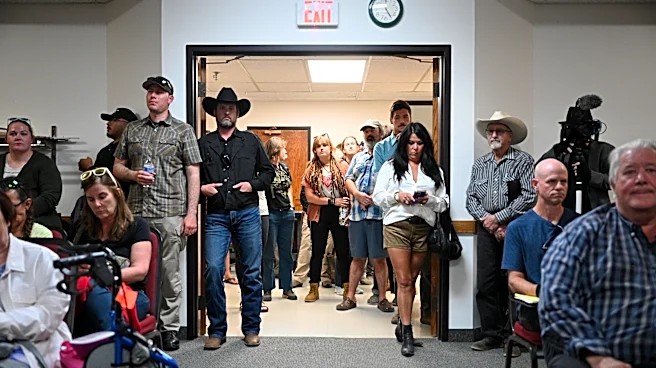
a “Pro-ICE” stance, has drawn criticism and protests. Filming in Livingston, Montana, was temporarily suspended due to resident concerns about simulated gunfire and street closures, leading Shapiro to claim a violation of his First Amendment rights. Trejo clarified his position, stating he is a proud Mexican and pro-immigrant, not pro-ICE, and was attracted to the role for its positive depiction of a Latino character and veteran. He emphasized that his job as an actor is to tell a story.
Why It's Important?
This situation highlights the intersection of artistic expression, political ideology, and public perception in the U.S. entertainment industry. Danny Trejo's defense of his role underscores the challenges actors face when participating in projects that become politically charged, especially when their personal beliefs may diverge from the perceived message of the film. The controversy surrounding “Pawn Shop” reflects broader societal debates about immigration policy and the role of law enforcement agencies like ICE. The protests and temporary halt in filming also demonstrate the power of local communities to influence film productions, particularly when concerns about public safety and community impact arise. This event illustrates the increasing scrutiny placed on media content and the artists involved, particularly when it touches on sensitive social and political issues.
What's Next?
The film “Pawn Shop” is expected to continue production and eventually be released, likely sparking further discussion and debate upon its debut. Danny Trejo will likely continue to navigate public perception regarding his involvement, potentially engaging in further explanations or discussions about his artistic choices and personal values. The Daily Wire and Bonfire Legend may face ongoing scrutiny and criticism from groups opposed to the film's perceived political leanings. This incident could also influence future film productions, prompting filmmakers and actors to consider the potential political and social ramifications of their projects more carefully, especially when dealing with sensitive or controversial topics. The broader conversation about artistic freedom versus social responsibility in media is also likely to persist.
Beyond the Headlines
Beyond the immediate controversy, this event touches on deeper issues concerning the politicization of art and the expectations placed upon public figures. Actors like Danny Trejo often find themselves caught between their professional obligations and public pressure to align with specific political stances. The incident also highlights the growing trend of ideologically driven content creation, with entities like the Daily Wire producing films that reflect particular political viewpoints. This can lead to a more fragmented media landscape where audiences consume content aligned with their existing beliefs, potentially exacerbating cultural and political polarization. Furthermore, the debate over the film's message and its impact on the community raises questions about the ethical responsibilities of storytellers and the potential for art to either bridge or widen societal divides.