


What's Happening?
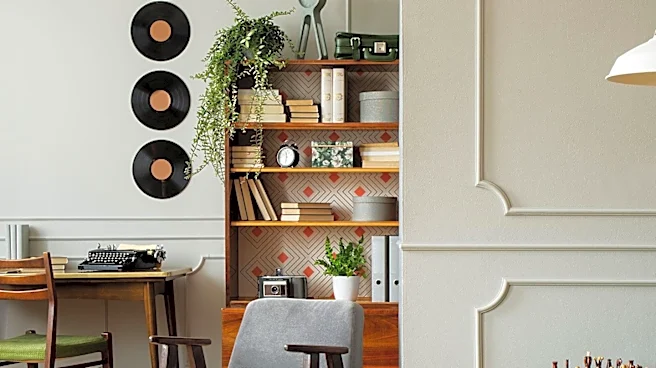
A new interior design trend, 'Cluttercore,' is gaining traction in U.S. homes, moving away from the previously dominant minimalist aesthetic. This style emphasizes personal items, eclectic decor, and meaningful objects, creating a warmer and more lived-in
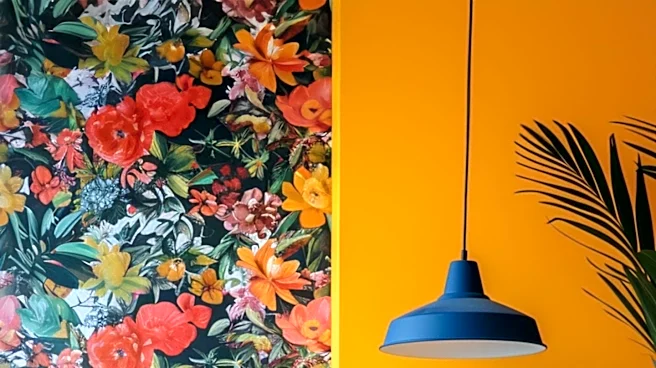
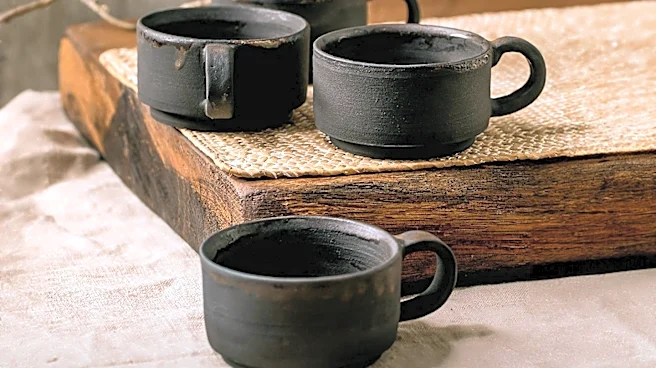
environment. Unlike chaotic clutter, Cluttercore involves a conscious selection of items that evoke pleasant memories and add character to a space. It incorporates deeper color shades, patterns, layered textiles, and unique pieces often sourced from antique shops, travel, or handmade artisans. The shift reflects a desire for more personalized and comfortable living spaces, moving beyond the sterile and impersonal interiors that have been prevalent for years.
Why It's Important?
This shift in interior design is important as it signifies a broader cultural move towards personalization and comfort in U.S. homes. The rejection of sterile minimalism suggests that consumers are seeking environments that reflect their individuality and provide a sense of warmth and security, especially after recent years that have emphasized time spent at home. This trend could impact the retail and home decor industries, leading to increased demand for unique, vintage, and handcrafted items, as well as a wider range of colors and textures in home furnishings. It also highlights a change in consumer values, prioritizing emotional connection and storytelling through possessions over sleek, unadorned spaces. Businesses that adapt to this preference for 'story-rich' decor may find a competitive advantage.
What's Next?
The rise of Cluttercore is likely to influence future product development and marketing strategies within the U.S. home decor market. Retailers may begin to stock more diverse and eclectic collections, moving away from mass-produced, uniform items. We can expect to see an increase in demand for vintage furniture, artisanal crafts, and unique decorative pieces. Interior designers will also need to adapt their approaches, focusing on creating layered, personalized spaces rather than strictly minimalist ones. This trend could also lead to a resurgence in DIY and upcycling projects as individuals seek to incorporate items with personal history and character into their homes. Educational content and workshops on how to achieve a 'curated maximalist' look without creating actual chaos may also become more popular.
Beyond the Headlines
Beyond its aesthetic appeal, Cluttercore reflects a deeper psychological and cultural shift. The move away from minimalism can be seen as a response to the pressures of maintaining a 'perfect' and often impractical living space, especially for families or individuals with hobbies. The emphasis on objects with emotional value suggests a desire for authenticity and a rejection of consumerism driven by fleeting trends. This style encourages individuals to surround themselves with items that tell a story, fostering a sense of nostalgia and personal history. It challenges the notion that less is always more, instead advocating for a curated abundance that promotes well-being and comfort. This could lead to a re-evaluation of how we perceive and interact with our personal spaces, prioritizing emotional connection over visual austerity.