




What's Happening?
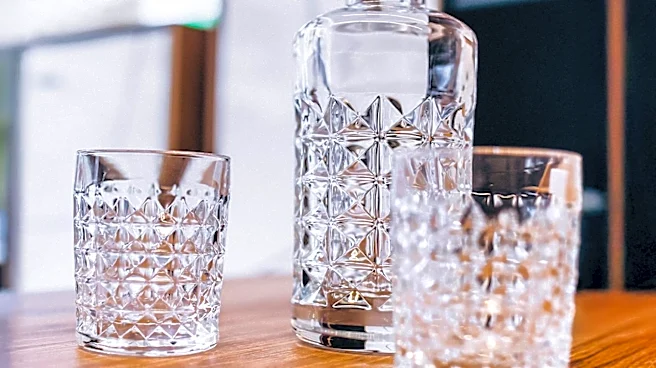
Crackle glass, characterized by its deliberately fractured surface pattern, is gaining renewed attention, particularly in decanters for whiskey enthusiasts. This unique glass is created during production by plunging hot, blown glass into cold water, causing
the outer layer to contract and form fine fractures. The glass is then reheated to seal these cracks, ensuring structural stability while preserving the distinctive texture. This method, originating in 16th-century Venice, transforms a functional item into a piece of art. Modern crackle glass decanters are appreciated for their visual appeal, tactile surface, and the way they interact with light, enhancing the presentation of spirits. The technique requires precise control over temperature and timing, distinguishing it from mere damaged glass. The resulting variations in the crackle pattern make each piece unique, reflecting its handcrafted nature.
Why It's Important?
The resurgence of crackle glass decanters signifies a broader trend in the U.S. market towards appreciating craftsmanship, historical techniques, and unique aesthetic elements in home goods and luxury items. For consumers, these decanters offer a blend of utility and artistry, elevating the experience of serving whiskey beyond simple consumption. This trend impacts the business landscape by creating demand for specialized glassmaking techniques and supporting artisans who can execute them. It also influences gifting practices, as crackle glass decanters become sought-after items for special occasions, reflecting a desire for thoughtful, character-rich presents over mass-produced alternatives. The collectible nature of some crackle glass pieces, particularly vintage American-made items, also highlights an economic sub-sector focused on decorative glass traditions and their historical value.
What's Next?
The continued interest in crackle glass suggests a potential for increased production and innovation within the U.S. glassmaking industry, focusing on both traditional and contemporary designs. Manufacturers may explore new applications for the crackle technique beyond decanters, such as in other barware, decorative objects, or lighting fixtures. Retailers are likely to expand their offerings of handcrafted and artisan-produced items, catering to consumers who prioritize unique aesthetics and historical significance. Furthermore, educational initiatives might emerge to inform consumers about the care and history of crackle glass, reinforcing its value as a long-lasting and meaningful possession. The market for corporate gifting could also see an uptick in demand for such distinctive items, as businesses seek to convey appreciation through sophisticated and memorable presents.
Beyond the Headlines
The appeal of crackle glass extends beyond its immediate aesthetic and functional benefits, touching upon deeper cultural and ethical dimensions. It represents a connection to historical craftsmanship, offering a tangible link to centuries-old glassmaking traditions. In an era dominated by mass production, the deliberate imperfections and unique variations of crackle glass celebrate individuality and the human touch, fostering a greater appreciation for artisanal skills. Ethically, supporting such crafts can contribute to the preservation of traditional techniques and provide sustainable livelihoods for skilled artisans. Culturally, these objects become conversation pieces, enriching social interactions and adding character to personal spaces. The careful handling and maintenance required for crackle glass also encourage a more mindful approach to possessions, promoting longevity and appreciation over disposability.