





What's Happening?
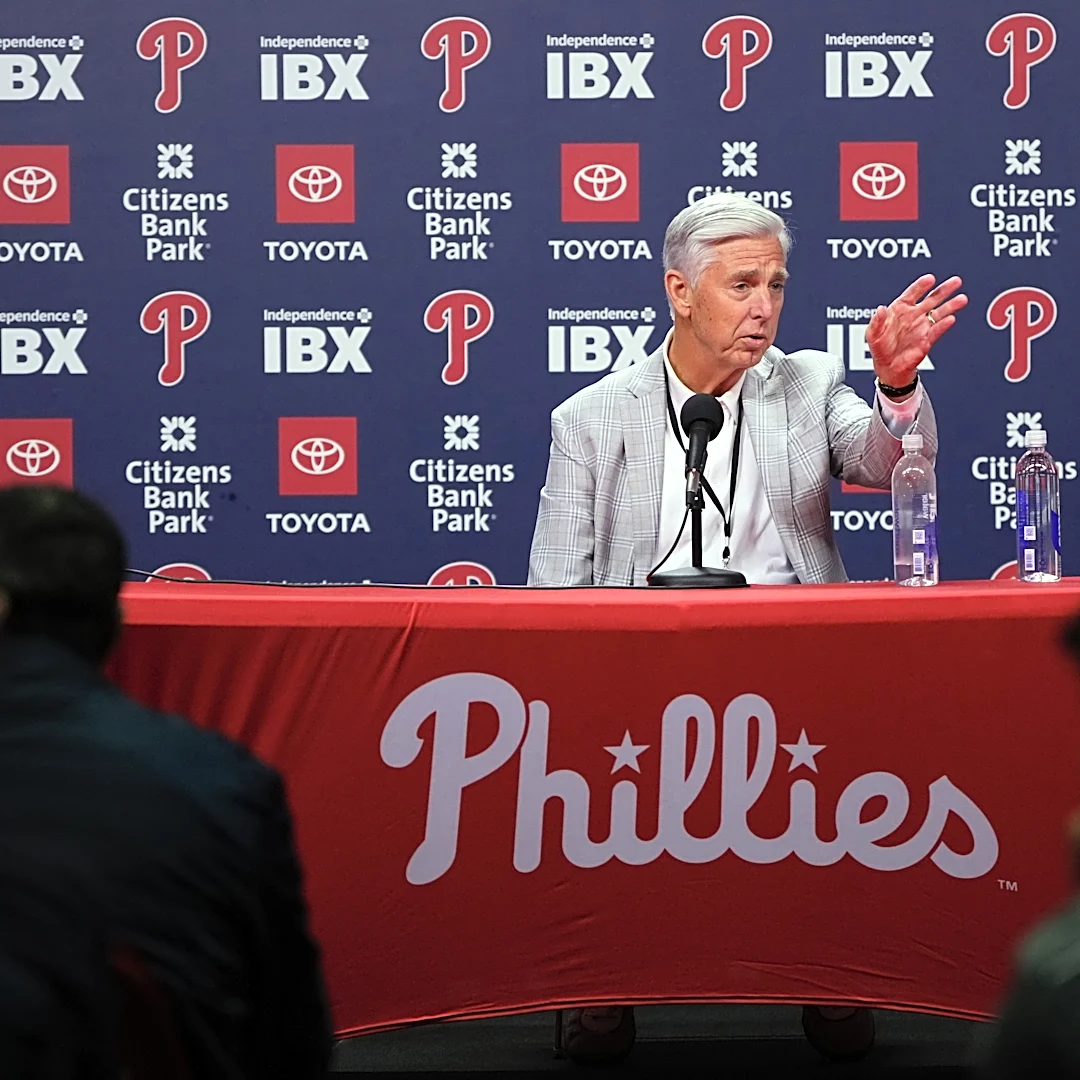
The Philadelphia Phillies have extended pitcher Zack Wheeler's contract, a move that contributes to their substantial 2024 MLB payroll. The Phillies' estimated active payroll for 2024 stands at $245,000,000, with an estimated Competitive Balance Tax (CBT)
payroll of $261,000,000. This places them among the top spenders in Major League Baseball. The extension of Wheeler's contract is highlighted as their primary offseason acquisition or move. This financial commitment positions the Phillies as a significant player in the league's economic landscape, which is characterized by a growing disparity between high-spending and budget-conscious franchises. The team's strategy reflects a broader trend in MLB where roster construction involves complex financial decisions, including navigating luxury tax implications and long-term asset management. The league's financial environment is also influenced by factors such as the volatility of regional sports networks and the strategic use of deferred contracts by some teams to manage immediate cash flow and CBT calculations.
Why It's Important?
The Phillies' decision to extend Zack Wheeler's contract and maintain a high payroll underscores the increasing financial investment required to compete at the top levels of MLB. This strategy is important because it demonstrates a commitment to retaining key talent and pursuing immediate competitiveness, which can significantly impact team performance and fan engagement. High payrolls, while offering a greater margin for error and the ability to acquire proven talent, also come with disadvantages such as potential roster stagnation, aging players on long-term contracts, and penalties related to draft picks and international signing pools if the Competitive Balance Tax threshold is consistently exceeded. For the Phillies, this investment signals their intent to contend for championships, but it also places them under intense scrutiny regarding on-field success. The broader implication for MLB is the continued polarization of team spending, which raises questions about competitive balance across the league, as small-market teams struggle to keep pace with the financial might of franchises like the Phillies.
What's Next?
Following the contract extension, the Philadelphia Phillies will aim to leverage Zack Wheeler's performance to achieve their competitive goals in the upcoming seasons. Their high payroll suggests an expectation of strong performance and a deep postseason run. The team will need to carefully manage their roster and financial commitments to avoid the escalating penalties associated with the Competitive Balance Tax, especially if they continue to be a repeat offender. Other teams in the league will observe the Phillies' success, or lack thereof, to evaluate the effectiveness of a high-spending strategy. The ongoing financial dynamics in MLB, including the impact of deferred contracts and regional sports network issues, will continue to shape how teams approach player acquisitions and contract negotiations. The Phillies' approach could influence future contract negotiations for other star players and potentially set new benchmarks for player valuations in the league.
Beyond the Headlines
The Phillies' substantial investment in Zack Wheeler and their overall high payroll reflect a deeper philosophical debate within professional sports regarding the balance between financial might and competitive integrity. While a large budget can secure elite talent, it doesn't guarantee a championship, highlighting the intangible elements of team chemistry, player health, and strategic management. This situation also brings to light the ethical considerations of competitive balance in a league where some franchises operate on budgets a fraction of the size of others. The long-term implications include potential shifts in player movement, as top talent may increasingly gravitate towards high-spending teams, further concentrating power and potentially diminishing the competitive viability of smaller markets. This trend could lead to calls for adjustments to the Competitive Balance Tax system or other revenue-sharing mechanisms to foster a more equitable playing field across MLB.