




What's Happening?
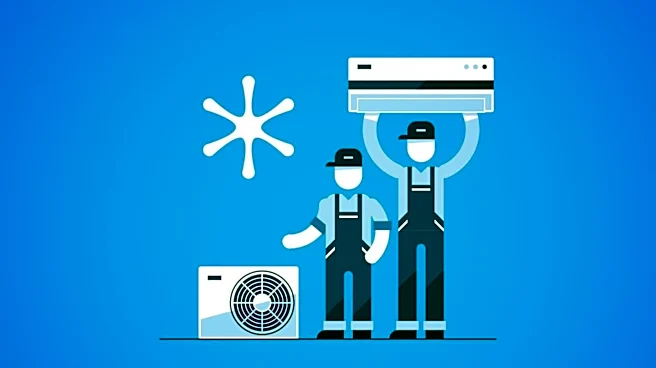
HVAC contractors are providing guidance to homeowners on whether to repair or replace their heating and cooling systems. This decision is crucial as it affects comfort, energy efficiency, and long-term financial planning. Technological advancements, such
as smart thermostats and variable-speed motors, offer improved system control and efficiency, making newer systems more appealing. Older systems, while repairable, often lack compatibility with modern energy-saving features and environmentally friendly refrigerants. Contractors emphasize the importance of regular maintenance to extend system lifespan and maximize efficiency.
Why It's Important?
Deciding between repairing or replacing an HVAC system has significant implications for homeowners. Newer systems offer enhanced energy efficiency, which can lead to substantial cost savings over time. Additionally, they are more environmentally friendly, aligning with increasing regulatory standards and consumer demand for sustainable solutions. The decision also impacts indoor air quality and overall home comfort, as newer systems provide better climate control and air purification. Homeowners must weigh the initial costs of replacement against the long-term benefits of improved performance and reduced energy consumption.
What's Next?
Homeowners are encouraged to consult with experienced HVAC contractors to make informed decisions about their systems. As technology continues to evolve, the market for HVAC systems will likely see further innovations that enhance efficiency and environmental sustainability. Seasonal considerations, such as timing replacements during off-peak periods, can also offer financial advantages. As regulations around refrigerants and energy efficiency tighten, the push towards upgrading to newer systems is expected to grow, with contractors playing a key role in guiding these transitions.