




What's Happening?
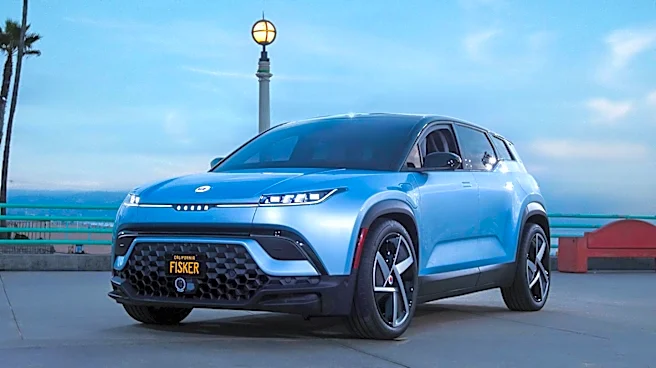
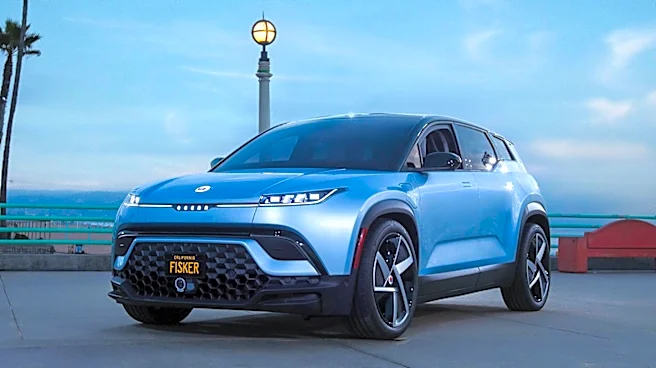
Fisker Inc., an electric vehicle manufacturer that once unveiled a 'sustainable' SUV made from recycled and vegan materials, has declared bankruptcy. This collapse has resulted in substantial financial losses for both customers and creditors. Despite
raising over $1 billion and selling 13,000 EV SUVs, the company's ambitious project ultimately failed. New data from the bankruptcy proceedings in Nordic countries, specifically Sweden and Norway, highlight the extent of these losses. In Sweden, customers who filed claims in the bankruptcy estate received only a fraction of their initial investments, experiencing direct cash losses of over 107,000 Swedish Kroner (approximately 100,000 Norwegian Kroner) per person. In Norway, Fisker Norway left behind a massive debt exceeding 425 million Norwegian Kroner, with a significant portion owed to Magna Steyr, the manufacturer of the Fisker Ocean. The Norwegian bankruptcy trustee has only managed to recover a small percentage of this debt, primarily through the sale of unsold vehicles.
Why It's Important?
The bankruptcy of Fisker Inc. underscores the inherent risks and volatility within the electric vehicle market, particularly for newer companies attempting to challenge established automotive giants. For consumers, this event highlights the potential for significant financial exposure when investing in emerging EV brands, as warranties, spare parts, and software updates can become unavailable, leading to rapid depreciation and difficulty in insuring vehicles. Creditors, including major manufacturing partners like Magna Steyr, also face substantial losses, demonstrating the ripple effect of such failures across the supply chain and investment landscape. The case serves as a cautionary tale for both investors and consumers, emphasizing the need for thorough due diligence and a clear understanding of the long-term viability of EV startups. The lack of recovery for creditors and customers could deter future investment in innovative but unproven automotive ventures, potentially slowing the pace of EV development and adoption.
What's Next?
The bankruptcy proceedings for Fisker Inc. are ongoing, with the finalization of the Norwegian estate expected in the autumn. This will likely involve further liquidation of assets to partially satisfy creditors, though significant shortfalls are anticipated. For affected customers, the immediate future involves navigating a challenging used car market where Fisker vehicles have experienced substantial value depreciation and may be difficult to insure due to a lack of parts and support. The broader EV industry may see increased scrutiny from investors and consumers regarding the financial stability and long-term prospects of new entrants. Regulatory bodies might also consider measures to protect consumers in similar situations, potentially through stricter financial oversight of EV startups or enhanced warranty requirements. The incident could also prompt other EV manufacturers to re-evaluate their business models and supply chain dependencies to mitigate similar risks.
Beyond the Headlines
The collapse of Fisker Inc. extends beyond immediate financial losses, touching upon broader themes of sustainability, consumer trust, and the challenges of innovation in a capital-intensive industry. Fisker's initial promise of 'sustainable' vehicles made from recycled and vegan materials resonated with environmentally conscious consumers, yet the company's ultimate failure raises questions about the true sustainability of business models that cannot achieve financial stability. The incident could erode consumer confidence in the ethical claims of new automotive brands, making it harder for genuinely sustainable ventures to gain traction. Furthermore, the significant losses incurred by customers highlight a gap in consumer protection within the rapidly evolving EV market. This situation could lead to a re-evaluation of how new automotive technologies are brought to market, emphasizing not just innovation but also robust financial planning and long-term customer support. The case also serves as a stark reminder that even with substantial funding and innovative products, the path to success in the automotive industry is fraught with peril.