


What's Happening?
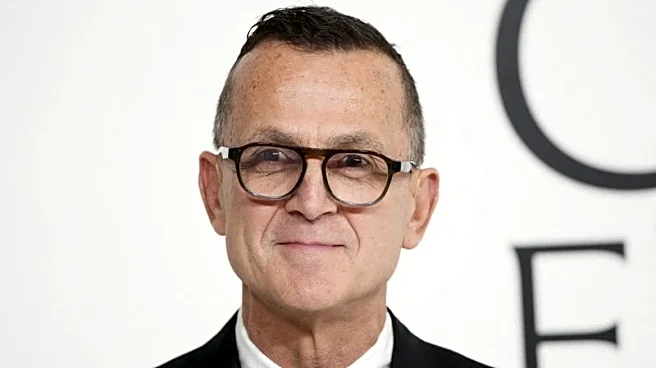
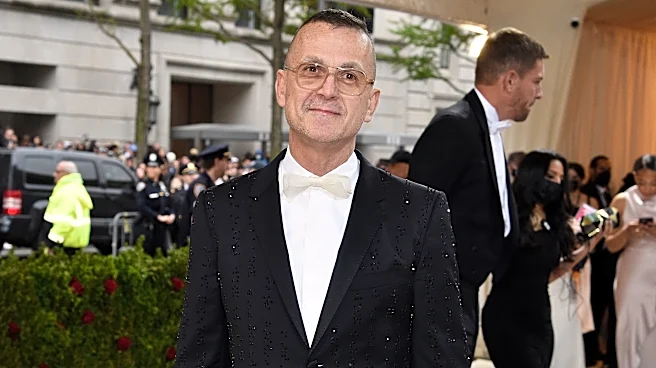
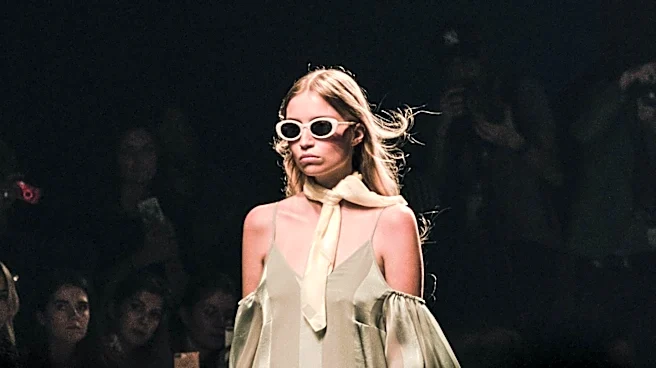
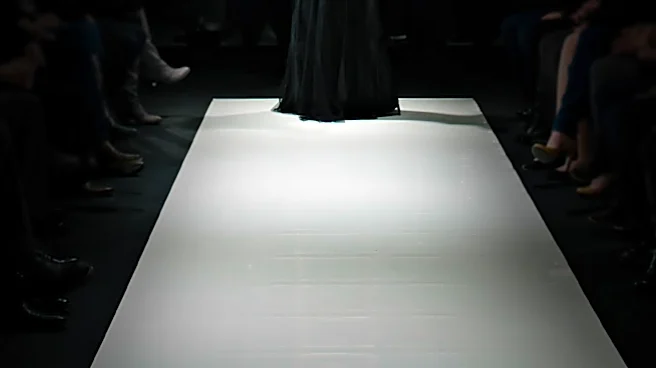
Steven Kolb has resigned from his position as CEO of the Council of Fashion Designers of America (CFDA) after a confrontation with PETA protesters during New York Fashion Week. The incident occurred on September 13, 2026, at a COS runway show, where PETA supporters
disrupted the event to protest the brand's use of wool. Videos circulating online appeared to show Kolb physically intervening to remove the protesters. PETA subsequently accused Kolb of assault, alleging he restrained one protester and grabbed another who was recording. Kolb was placed on leave following the incident and acknowledged that he "reacted inappropriately." The CFDA announced his departure on September 18, 2026, via an Instagram post, expressing gratitude for his 15 years of leadership as CEO and over two decades with the organization.
Why It's Important?
This event highlights the increasing tension between animal rights activism and the fashion industry, particularly concerning the use of animal products like wool. The public nature of the confrontation, amplified by viral videos, brings significant scrutiny to how fashion organizations and their leaders handle protests and ethical concerns. For the CFDA, Kolb's resignation marks a leadership transition at a critical time when the industry is facing growing pressure to adopt more sustainable and ethical practices. PETA's intent to file a police report and pursue criminal charges against Kolb underscores the potential legal ramifications for individuals who physically engage with protesters, setting a precedent for how such disruptions are managed in public and private events. The incident also forces brands like H&M and COS to re-evaluate their material sourcing and public relations strategies in response to activist demands.
What's Next?
PETA has stated its intention to file a police report and pursue criminal charges against Steven Kolb, which could lead to legal proceedings and further public attention on the incident. The CFDA will likely begin the process of searching for a new CEO, a decision that will be closely watched by the fashion industry and animal rights groups. This leadership change could influence the CFDA's future stance on sustainability and ethical sourcing within American fashion. Brands like H&M and COS, targeted by the protests, may face continued pressure from PETA and consumers to ban wool from their collections, potentially leading to shifts in their supply chain and marketing strategies. The broader fashion industry may also re-evaluate security protocols and public engagement strategies for handling protests at high-profile events like New York Fashion Week.
Beyond the Headlines
The incident transcends a simple protest, touching upon deeper ethical and societal debates surrounding animal welfare, freedom of speech, and the responsibilities of corporate leadership. The viral spread of the confrontation footage on social media underscores the power of digital platforms in shaping public perception and holding individuals and organizations accountable. This event could catalyze a broader discussion within the fashion industry about the balance between artistic expression, commercial interests, and ethical considerations. It also raises questions about the appropriate response to disruptive activism and the potential for such encounters to escalate. The incident may encourage a re-evaluation of how industry leaders are trained to handle high-pressure situations involving activists, potentially leading to new guidelines for engagement and de-escalation.