






What's Happening?
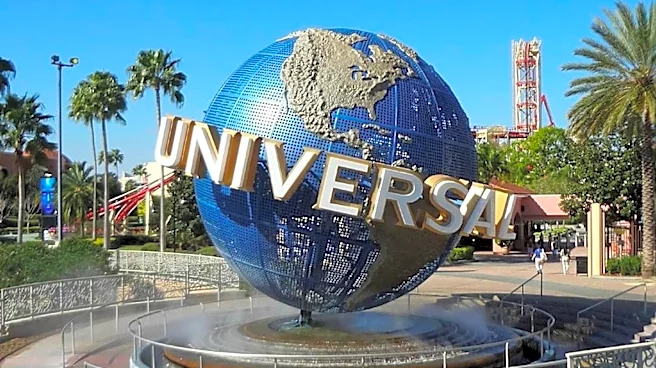
Universal Orlando Resort is permanently closing its 'Animal Actors On Location!' show at Universal Studios Florida on November 3, 2026. The park stated that the closure is to 'make way for a new experience.' This attraction, which launched with Universal Studios Florida on June
7, 1990, showcased animal actors from films and television, featuring dogs, cats, birds, and other animals in video segments, live skits, and audience interactions. The decision follows a similar closure of Universal Studios Hollywood's version of the show, 'Universal's Animal Actors,' in January 2023. Additionally, Universal parks have recently phased out the use of live owls at their Wizarding World of Harry Potter locations globally, including Orlando, Hollywood, Osaka, and Beijing. Animal rights organization PETA welcomed the announcement, noting that the show has historically used animals supplied by Birds & Animals Unlimited (BAU), an organization they have criticized for alleged animal welfare issues.
Why It's Important?
The closure of 'Animal Actors On Location!' signifies a broader shift in the entertainment industry regarding the use of live animals in theme park attractions. This move by Universal Orlando, following its Hollywood counterpart, reflects evolving public sentiment and increased scrutiny from animal welfare organizations like PETA. For Universal, it presents an opportunity to modernize its offerings and align with contemporary ethical standards, potentially attracting a wider audience that prefers animal-free entertainment. The decision could influence other theme parks and entertainment venues to re-evaluate their use of live animals, accelerating a trend towards more technologically advanced or human-centric shows. Economically, the development of a 'new experience' in the vacated space represents an investment by Universal, aiming to maintain or increase visitor engagement and revenue. The shift away from live animal acts also mitigates potential negative publicity and protests from animal rights groups, which can impact brand image and attendance.
What's Next?
Universal Orlando Resort has indicated that the closure of 'Animal Actors On Location!' will 'make way for a new experience,' with more details to be shared at a later time. This suggests that the park is planning a replacement attraction for the space, which could involve new technologies, intellectual properties, or interactive elements that do not rely on live animals. PETA has urged Universal to ensure that no live animals are used in any future developments for the space, indicating continued oversight from animal welfare advocates. The transition period leading up to November 2026 will likely involve planning, construction, and marketing efforts for the new attraction. The success of this new experience will be crucial for Universal Orlando, as it seeks to innovate and remain competitive in the highly dynamic theme park industry, especially with the upcoming Epic Universe park. The closure also raises questions about the future of animal trainers and handlers currently employed by the show, and whether they will be reassigned or offered new roles within the resort.
Beyond the Headlines
This development extends beyond a simple attraction closure, reflecting a significant cultural and ethical re-evaluation of animal use in entertainment. The sustained pressure from organizations like PETA highlights a growing societal demand for more humane treatment of animals, pushing corporations to adapt their business models. The phasing out of live animal acts in major theme parks like Universal could set a precedent for other entertainment sectors, influencing everything from circuses to film and television productions. It also underscores the increasing power of consumer advocacy and social responsibility in corporate decision-making. The move towards animal-free entertainment may also spur innovation in animatronics, virtual reality, and other immersive technologies, creating new forms of entertainment that are both engaging and ethically sound. This shift represents a long-term trend where ethical considerations are becoming as important as economic viability in the entertainment industry.