





What's Happening?
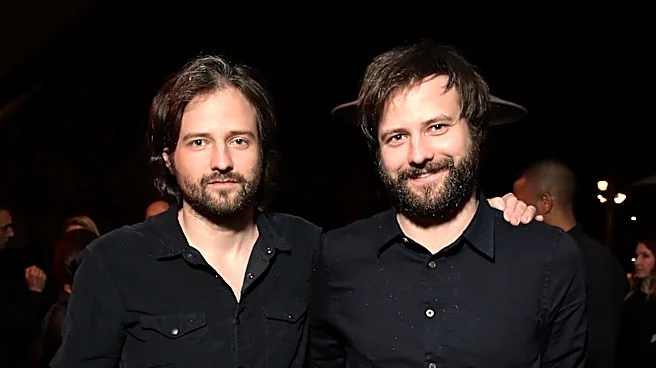
The Duffer Brothers, creators of the popular Netflix series 'Stranger Things,' have expressed regret over the deaths of certain characters, particularly Chrissy Cunningham in Season 4. Chrissy, who appeared in only one episode, was initially filmed for
her demise, with her introductory scenes shot later. This non-sequential filming process led to an unforeseen development: significant on-screen chemistry between Chrissy and Joseph Quinn’s character, Eddie Munson. The Duffer Brothers realized they had 'destroyed a potential relationship' and 'wasted an opportunity' by not extending Chrissy's storyline, despite her death being a planned plot point. This situation highlights how production timelines can sometimes lead to missed narrative opportunities when character dynamics evolve unexpectedly during filming.
Why It's Important?
This revelation from the Duffer Brothers underscores the dynamic and often unpredictable nature of television production, where creative decisions can be influenced by factors emerging during filming. For fans, it offers insight into the creative process and the challenges showrunners face in balancing pre-planned narratives with organic character development. The strong fan reaction to Chrissy and Eddie's brief interaction demonstrates the audience's investment in character chemistry, even in minor roles. This situation could influence future production strategies in the entertainment industry, encouraging creators to remain flexible and potentially re-evaluate character arcs if unexpected chemistry emerges, to maximize audience engagement and narrative depth. It also highlights the potential for 'what-if' scenarios that can resonate deeply with a show's fanbase.
Beyond the Headlines
The Duffer Brothers' regret over Chrissy's death, particularly in light of her chemistry with Eddie, touches upon a broader theme in storytelling: the tension between a pre-determined plot and the organic evolution of characters and their relationships. This scenario raises questions about the 'butterfly effect' in narrative design, where a small, unplanned element—like unexpected actor chemistry—can have significant implications for the story's emotional impact and audience reception. It also highlights the unique challenges of serialized television, where production schedules and long-term planning can sometimes limit the ability to adapt to emergent creative opportunities. The audience's strong connection to characters, even those with limited screen time, suggests a desire for authentic and evolving relationships, which can sometimes clash with the demands of a tightly structured plot.