


What's Happening?
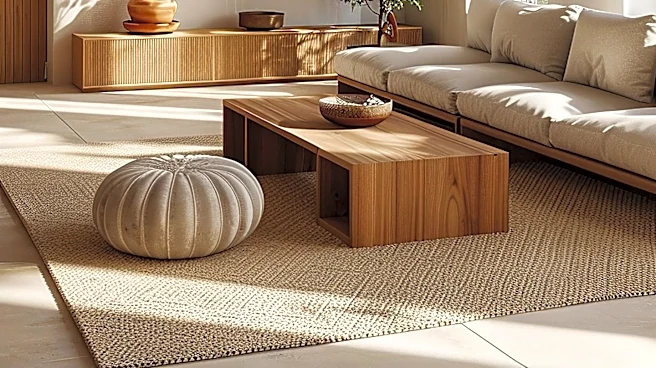
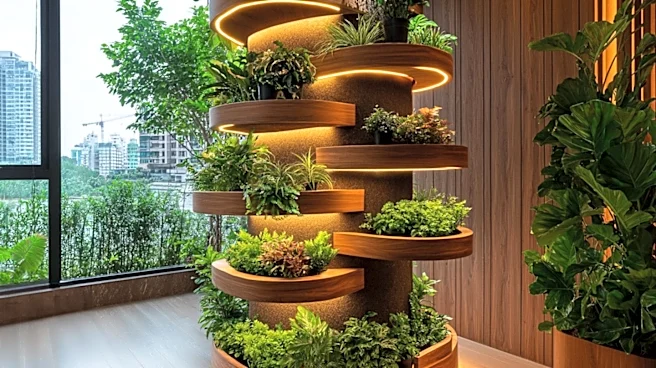
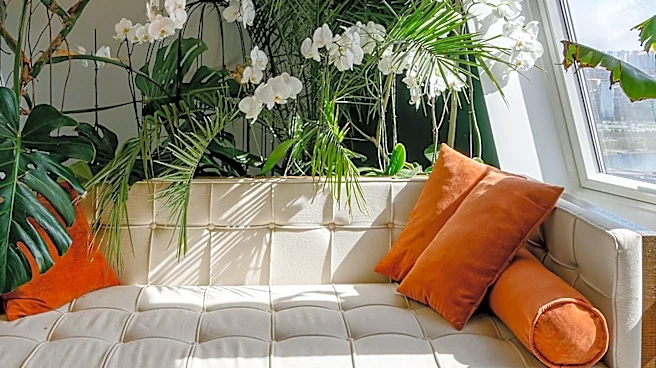
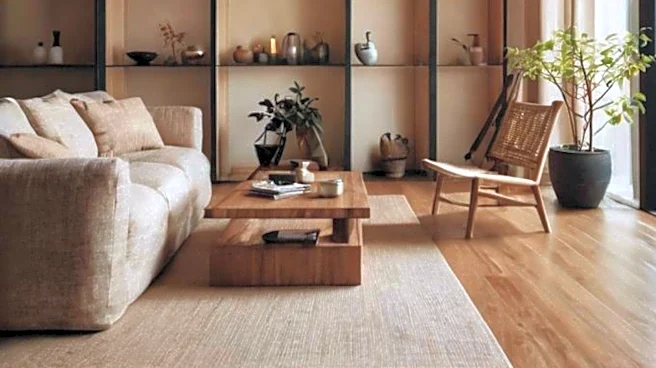
New York City interior design is experiencing a shift towards 'Soft Modern' aesthetics, integrating biophilic design principles in more nuanced ways. This approach moves beyond simply adding indoor plants to incorporate organic materials, nature-derived
colors, irregular forms, and tactile artworks. Designers are using natural fibers like linen and wool, hand-dyed textiles in earthy palettes, and organic compositions to evoke nature without literal botanical environments. This trend aims to balance the clean lines of modern design with a human need for warmth and connection to the natural world, particularly in urban settings where natural elements are often scarce. The focus is on restoring sensory complexity and creating interiors that feel connected to nature through material and sensation, rather than just visual representation. This evolution in biophilic design is seen as a response to the tension between contemporary interiors and the desire for more personal and comfortable spaces.
Why It's Important?
This evolution in biophilic design in New York City reflects a broader cultural shift towards well-being and sustainability in built environments. By integrating natural elements and sensory experiences, designers are addressing the psychological and physiological benefits of connecting with nature, which can improve comfort and reduce stress in urban dwellers. The emphasis on natural materials and textures also aligns with growing consumer demand for sustainable and ethically sourced products, potentially influencing manufacturing and supply chains in the interior design industry. Furthermore, this trend highlights a re-evaluation of craft and handmade objects, suggesting a move away from mass-produced, sterile environments towards more individualized and tactile spaces. This could foster innovation in textile art and material science, as designers seek new ways to incorporate natural elements and sensory richness into urban interiors, ultimately impacting how people experience and interact with their living and working spaces.
What's Next?
The continued integration of biophilic design is expected to become more sophisticated, moving beyond superficial greenwashing to genuinely enhance human well-being and potentially contribute to a building's environmental performance. Future developments may include more advanced engineering and horticultural knowledge to seamlessly integrate living plants into building structures, as well as innovative material choices that prioritize responsible sourcing and production. The focus will likely remain on creating sensory-rich environments through varied textures, natural light, and organic forms. As this trend gains momentum, it could lead to increased demand for specialized design professionals who understand both aesthetics and the ecological aspects of biophilic integration. The challenge will be to make these design principles accessible beyond high-end projects, potentially influencing mid-rise apartments and public spaces to incorporate more natural elements and improve urban living for a wider population.
Beyond the Headlines
The subtle shift in biophilic design in New York City points to a deeper societal yearning for authenticity and connection in an increasingly digital and urbanized world. By prioritizing tactile experiences and natural materials, designers are implicitly challenging the dominance of purely visual and often artificial environments. This movement could foster a greater appreciation for craftsmanship and the inherent value of natural resources, potentially influencing consumer behavior and ethical consumption. It also raises questions about the long-term psychological impact of urban living and how design can mitigate feelings of disconnection from nature. The integration of biophilic elements, even in abstract forms, suggests a recognition that human well-being is intrinsically linked to the natural world, prompting a re-evaluation of what constitutes a truly 'modern' and livable space. This could lead to a more holistic approach to urban planning and architectural design, where human health and ecological considerations are central.