



What's Happening?
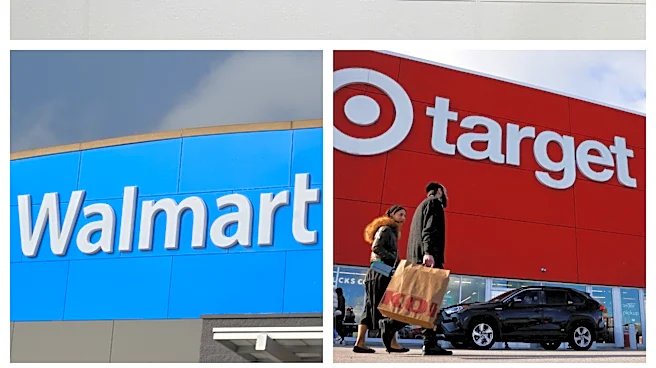
The Justice Department has broadened its investigation into the record-high beef prices by including eight major grocery retailers. The Antitrust Division is seeking information from Kroger, Walmart, Publix, Albertsons, Aldi, Ahold Delhaize, Costco, and
Amazon. This expansion follows an earlier investigation that focused on the nation's largest meatpacking companies. The Justice Department is reportedly requesting data from 2020 onwards, including details on beef prices, profit margins, operating expenses, and purchasing agreements. The inquiry aims to determine if business practices or a lack of competition have contributed to the rising retail prices of beef. It is important to note that this investigation does not imply that the retailers have violated federal law.
Why It's Important?
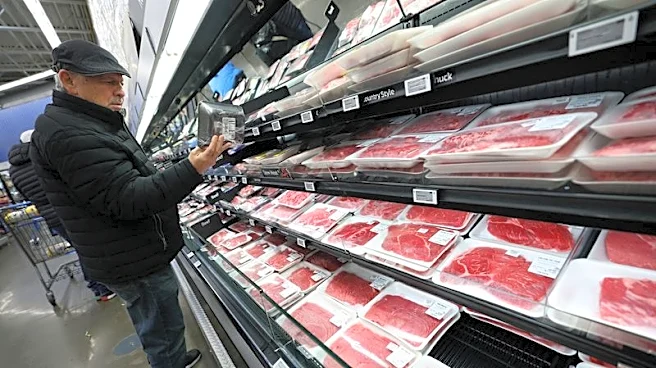
This expanded investigation is significant because it extends federal scrutiny from the meat processing sector to the retail segment of the beef supply chain, impacting major U.S. grocery chains and potentially millions of consumers. Beef prices have been increasing at a rate significantly higher than overall inflation, with beef and veal prices rising 9.4% and ground beef, steak, and roast prices seeing increases between 9% and 13.5% in the 12 months ending in July. This disproportionate increase affects household budgets and food security for many Americans. The inquiry could reveal anti-competitive practices that, if proven, might lead to regulatory actions or legal consequences for the involved retailers, potentially reshaping pricing strategies and market competition within the grocery industry. Conversely, if no wrongdoing is found, it could reinforce the understanding that other factors, such as drought, elevated production costs, and a shrinking cattle supply, are the primary drivers of high beef prices.
What's Next?
The Justice Department will continue to gather and analyze the requested information from the eight major grocery retailers. This data will be crucial in determining whether any anti-competitive practices or market manipulation have occurred. The investigation is expected to be a lengthy process, and its findings could lead to various outcomes, including potential lawsuits, regulatory changes, or a conclusion that no federal laws were violated. Stakeholders, including consumers, cattle ranchers, and the implicated retailers, will closely monitor the developments. The outcome could influence future pricing strategies in the retail sector and potentially lead to policy discussions regarding market concentration and consumer protection in the food industry. Analysts anticipate that tight cattle supplies and elevated beef prices may persist into 2027, regardless of the investigation's findings.
Beyond the Headlines
The Justice Department's expanded investigation into beef prices touches upon deeper issues concerning market power, supply chain transparency, and consumer welfare in the U.S. food system. The focus on major retailers, alongside previous scrutiny of meatpackers, suggests a comprehensive look at potential bottlenecks or concentrated power points within the entire beef supply chain. This could lead to broader discussions about antitrust enforcement in essential industries and the balance between corporate profits and consumer affordability. Furthermore, the investigation highlights the complex interplay of economic factors, environmental challenges like drought, and market dynamics that influence food prices. The findings could prompt a re-evaluation of existing regulations or inspire new policies aimed at fostering greater competition and ensuring fair pricing for staple goods, ultimately impacting the economic landscape for both businesses and everyday Americans.