




What's Happening?
Winter darkness significantly affects sleep patterns by altering the body's circadian rhythm and sleep pressure. Shorter days and reduced morning light can make it harder to wake up and feel alert, while earlier sunsets can shift feelings of sleepiness.
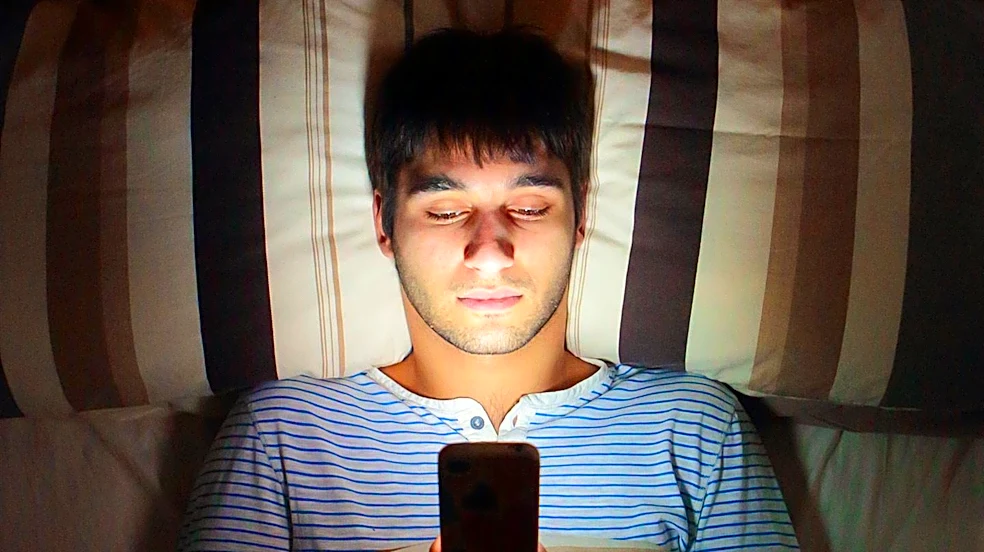
The circadian rhythm, the internal clock governing the sleep/wake cycle, relies on light cues to synchronize with the day. Less natural light in winter can disrupt this synchronization, impacting melatonin production and overall sleep preparation. Additionally, changes in winter routines, such as decreased physical activity and increased indoor time with artificial light and screens, can further influence sleep pressure and the timing of sleepiness. These factors can lead to difficulties in falling asleep, staying asleep, and maintaining consistent energy levels throughout the day, even if the total amount of sleep remains unchanged.
Why It's Important?
Understanding how winter darkness impacts sleep is crucial for public health and individual well-being in the U.S. Disrupted sleep patterns can lead to decreased productivity, impaired cognitive function, and a higher risk of mood disorders, including seasonal depression. For industries reliant on consistent performance, such as transportation, healthcare, and technology, widespread sleep disturbances can have economic repercussions. Individuals may experience reduced quality of life, increased stress, and difficulty maintaining healthy routines. Recognizing the role of light exposure, daily habits, and sleep pressure allows for targeted interventions, such as seeking morning daylight and maintaining consistent daily rhythms, to mitigate these negative effects. This knowledge empowers individuals to proactively manage their sleep health during the darker months, fostering better overall physical and mental resilience.
What's Next?
To support better sleep during winter, individuals are advised to implement several strategies. Giving mornings a clear light signal, such as spending time outdoors after waking or using indoor lighting before sunrise, helps reinforce the circadian rhythm. Creating a softer transition into the evening by dimming lights and reducing screen brightness can prepare the body for rest. Maintaining a steady daily rhythm, including consistent wake times and incorporating daytime movement, helps regulate sleep pressure. It is also important to avoid treating bedtime as a 'test' and to address sleep-related worries, potentially through techniques like Cognitive Behavioral Therapy for Insomnia (CBT-I) or Acceptance and Commitment Therapy (ACT). If low mood, loss of interest, or persistent fatigue occurs, consulting a healthcare professional is recommended, as seasonal depression is treatable.
Beyond the Headlines
The impact of winter darkness on sleep extends beyond individual discomfort, touching upon broader societal implications related to seasonal affective disorder (SAD) and overall mental health. The reliance on artificial lighting and screen time in modern life further complicates the body's natural response to seasonal light changes, potentially exacerbating sleep issues. This highlights a need for urban planning and architectural design that maximizes natural light exposure, especially in workplaces and residential areas. Culturally, there's an opportunity to re-evaluate societal expectations around productivity and activity levels during winter, allowing for more flexible schedules that align with natural biological rhythms. Addressing these issues could lead to more resilient communities and a greater appreciation for the interplay between human biology and environmental factors.